
Key Points
- 13% Market Share – EVs surpassed 156,000 sales, up 38.7% from 2024.
- SUV Dominance – Tesla Model Y #1, but BYD Sealion 7 and Kia EV5 surged.
- Chinese Brands Rise – BYD, Geely & XPENG gained major ground with value-focused models.
2025 marked a turning point for electric vehicles in Australia. EVs surpassed 13% of total car sales for the first time, signalling a continued shift in buyer preferences towards electric options. This recap summarises the year's sales performance, highlights key milestones, and examines emerging patterns in the Australian EV market.
Overall Market Performance
Australia sold 156,857 electrified vehicles in 2025, combining 103,355 battery electric vehicles (BEVs) and 53,502 plug-in hybrid electric vehicles (PHEVs). This represents a 38.7% increase from 2024's total of 113,419 electrified vehicles.
BEVs grew 14.1% year-over-year, while PHEVs exploded with 134.5% growth. Together, electrified vehicles captured 13.1% of the total market, up from 9.5% in 2024.
The broader market grew just 0.9% to 1,195,999 total vehicles. Traditional fuel types showed clear decline. Petrol sales dropped 10.2% to 475,434 units. Diesel fell 1.1% to 364,555 units. Only hybrids and electrified vehicles posted gains, with conventional hybrids up 14.2% to 199,153 units.
Top-Selling EVs of 2025
The Tesla Model Y held its crown as Australia's best-selling EV with 22,239 units, up 4.6% from 2024. The Model Y's success came off the back of the release of the Juniper update.The surprise of 2025 was the BYD Sealion 7. The new mid-size SUV sold 13,410 units in its first year, immediately claiming second place. Its combination of space, range, and value resonated with Australian buyers.
Tesla's Model 3 had a tough year. Sales plummeted 61.3% to just 6,617 units. The dramatic drop reflected market preference shifting toward SUVs and increased competition in the sedan segment.
The Kia EV5 posted the year's most impressive growth from a non-Chinese brand. Sales jumped 687.3% to 4,787 units. The compact SUV's practical size , competitive pricing and comprehensive after-sales network attracted first-time EV buyers.
New entrants also made an immediate impact. The Geely EX5 sold 3,944 units, the Kia EV3 moved 2,597 units, and the XPENG G6 found 1,925 buyers. These launches expanded choice in the already popular SUV segment.
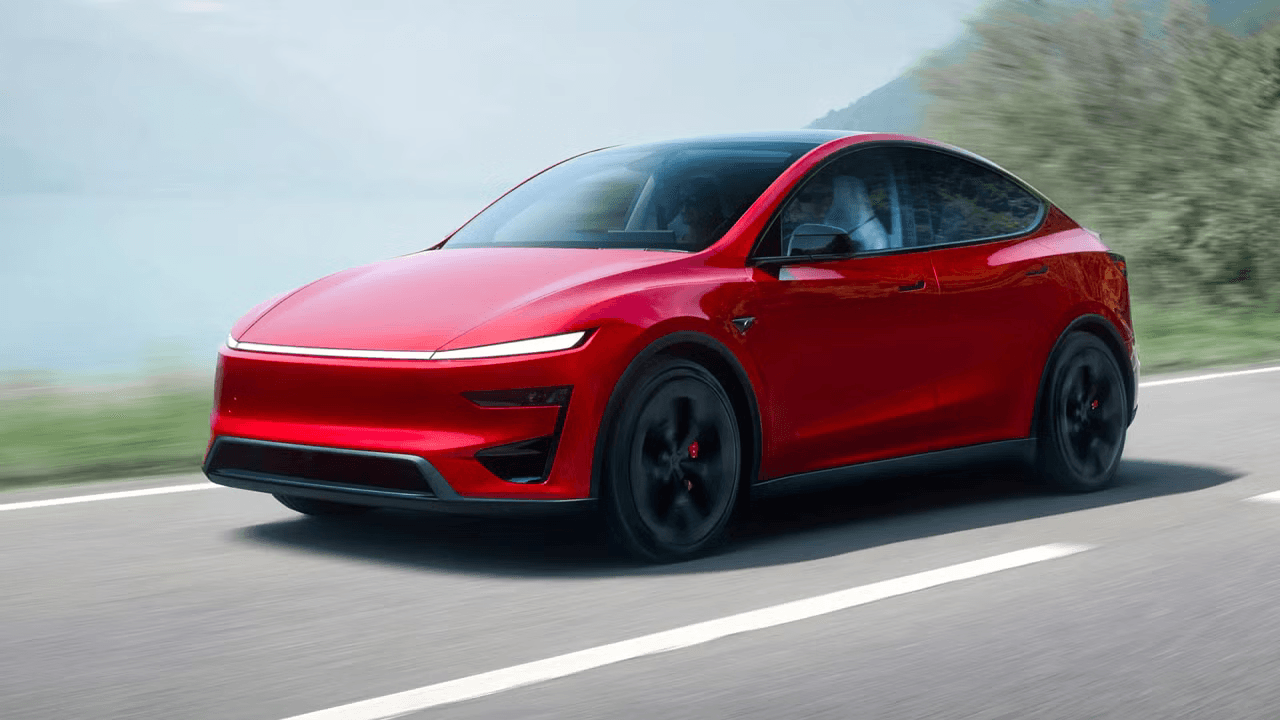
Sales Slide for Popular EV Models
On the decline, the Tesla Model 3 fell 61.3%, the MG MG4 dropped 56.9%, and the BYD Seal decreased 40.8%. These drops reflected market saturation in sedans and hatchbacks as buyers favoured SUVs.
Brand Performance
Tesla maintained market leadership despite the Model 3's struggles. Combined Model Y and Model 3 sales totalled 28,856 units, giving Tesla roughly 28% of the BEV market.
BYD emerged as the strongest challenger. The Chinese brand sold approximately 24,303 units across four models (Sealion 7, Atto 3, Seal, and Dolphin), capturing about 24% of the BEV market. BYD's diverse lineup from affordable hatchbacks to premium SUVs proved effective.
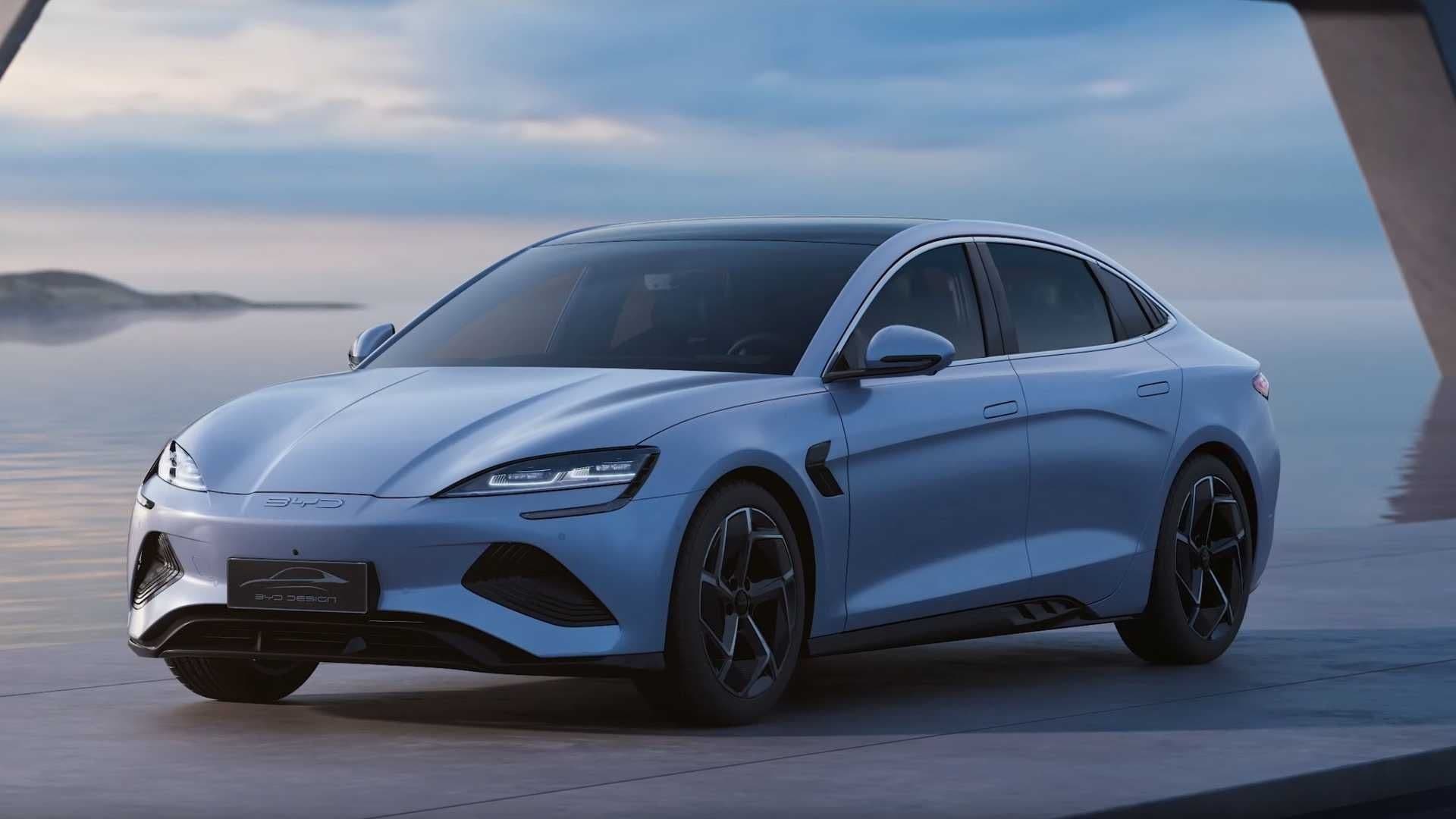
Kia showed strong momentum with 7,384 units across the EV5 and EV3. The Korean brand's focus on practical, well-equipped SUVs resonated with mainstream buyers.
Chinese brands collectively dominated. BYD, Geely, XPeng, MG, and Zeekr combined for significant market share, reflecting their aggressive pricing and improving quality.
European brands struggled. BMW, Volvo, and Volkswagen posted modest numbers despite strong brand recognition. High prices limited their appeal in a value-conscious market.
Segment Analysis
SUVs dominated EV sales in 2025. The top 10 best-sellers included eight SUVs, reflecting Australian buyer preferences. Mid-size SUVs like the Model Y, Sealion 7, and EV5 led the charge. Compact SUVs like the Atto 3 and the Geely EX5 attracted urban buyers.
Sedans faced headwinds. The Model 3's 61.3% drop and Seal's 40.8% decline showed limited appetite for EV sedans. Only the Polestar 4's premium positioning found success, albeit in small numbers.
Hatchbacks remained niche. The BYD Dolphin's growth showed potential, but overall volumes stayed small compared to SUVs. It will be interesting to see how the BYD Atto 1 sells once it goes on sales in early 2026.

PHEVs surged across all segments. The 134.5% growth reflected buyers wanting electric capability with petrol backup. PHEVs appealed to those with range anxiety or limited charging access.
The data shows clear preference for practical, spacious vehicles in the form of of SUVs. They deliver the space, range, and versatility Australians demand.
- The following list show best-selling models by segment:
| Shape | Model |
| Medium SUV | Tesla Model Y |
| Small SUV | BYD Atto 3 |
| Hatchback | MG MG4 |
| Sedan | Tesla Model 3 |
| People Mover | Volkswagen ID. Buzz |
| Seven-seat EV | Kia EV9 |
Market Trends
Several trends emerged in 2025. First, affordability mattered. Models under $60,000 sold well while premium EVs struggled. Government incentives such as the FBT exemption and falling prices brought EVs within reach of the masses.
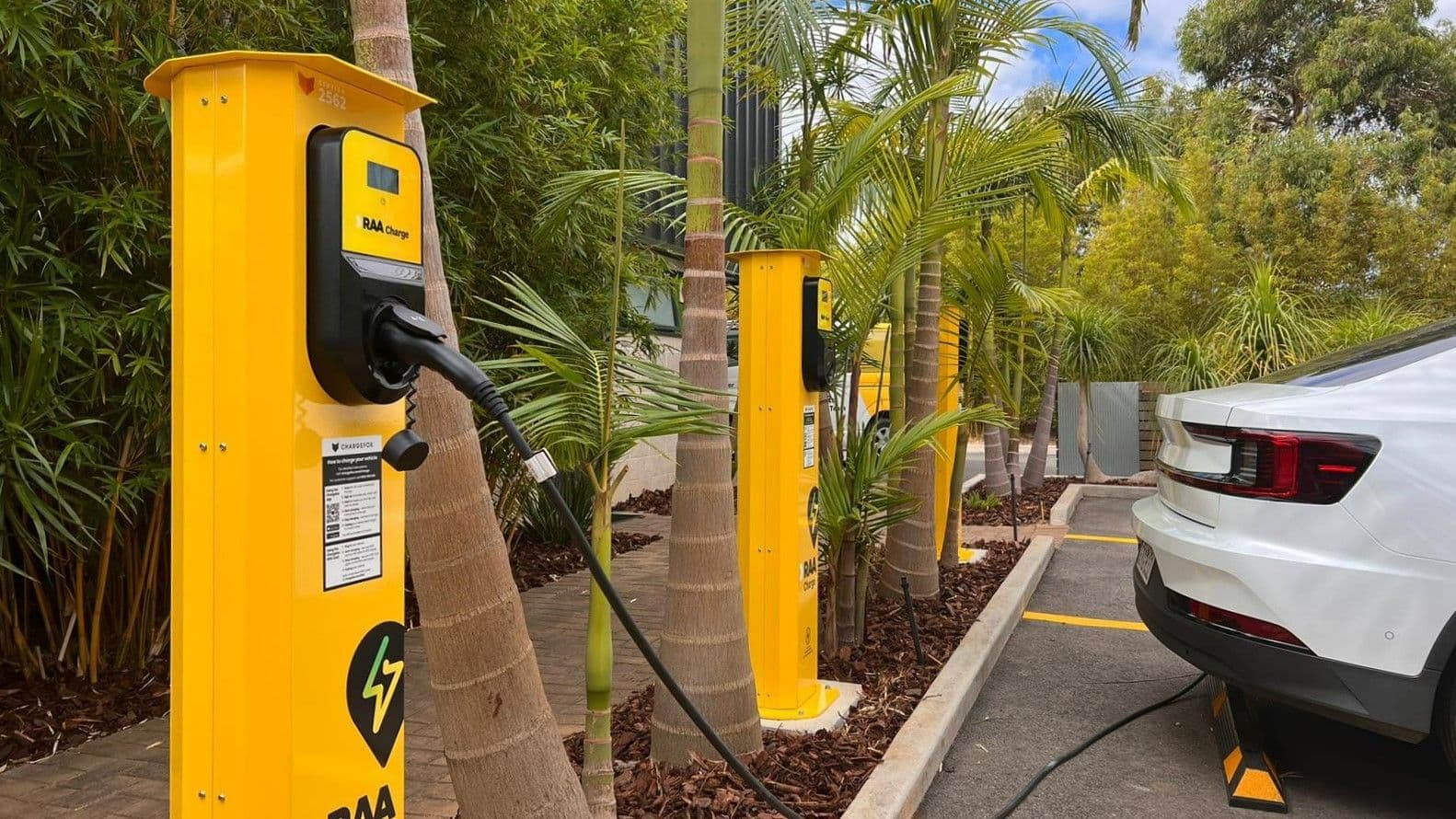
Second, range anxiety eased. Most new EVs are now offering 400-500km of range, sufficient for daily use. Expanding charging networks reduced concerns about long trips.
Third, Chinese brands gained acceptance. Initial skepticism faded as buyers recognised their value and quality. BYD, Geely, and others proved they could compete with established brands.
Fourth, PHEVs filled a gap. The 134.5% surge showed many buyers still wanted petrol backup. PHEVs offered a stepping stone to full electric ownership.
Fifth, supply improved. Unlike 2024's shortages, most models had reasonable wait times in 2025. Better supply helped sales growth.
Conclusion
2025 saw an uptick in momentum as electric vehicles moved from niche to mainstream in Australia. EVs captured 13.1% of total sales, up from 9.5% in 2024. Over 156,000 electrified vehicles found homes, showing strong buyer demand.
The market matured with diverse choices. From affordable hatchbacks to premium SUVs, buyers had options across all segments and budgets. New entrants like BYD Sealion 7 and Kia EV5 proved Australians embrace new brands offering value.
Traditional fuel vehicles declined. Petrol sales dropped 10.2% while diesel fell 1.1%. The shift toward electrification accelerated as prices fell and choice expanded.
Looking ahead, 2026 promises continued growth. More models will launch, prices will fall further, and charging infrastructure will expand. Based on 2025 monthly trends the strongest candidates for 2026 growth are:
- Tesla Model Y
- BYD Sealion 7
- Kia EV5
- Geely EX5
- Kia EV3
- Zeekr 7X
- BYD Atto 2
Stay tuned for monthly sales updates and new model launches throughout 2026.

About the author

Danny is a consultant and entrepreneur working at the cutting edge of the electric vehicle and energy transition. He is passionate about educating and helping consumers make better decisions through data.
