
Key Points
- Polestar 7 compact EV SUV confirmed for Australia in 2027–28.
- Will be the brand’s smallest and most affordable model yet.
- Built in Europe, marking a production shift.
- Expected to rival premium compact EV SUVs like the GV60 and Q4 e-tron.
- Could significantly boost Polestar’s local sales volume.
Polestar’s most affordable electric vehicle yet is officially locked in for Australia.
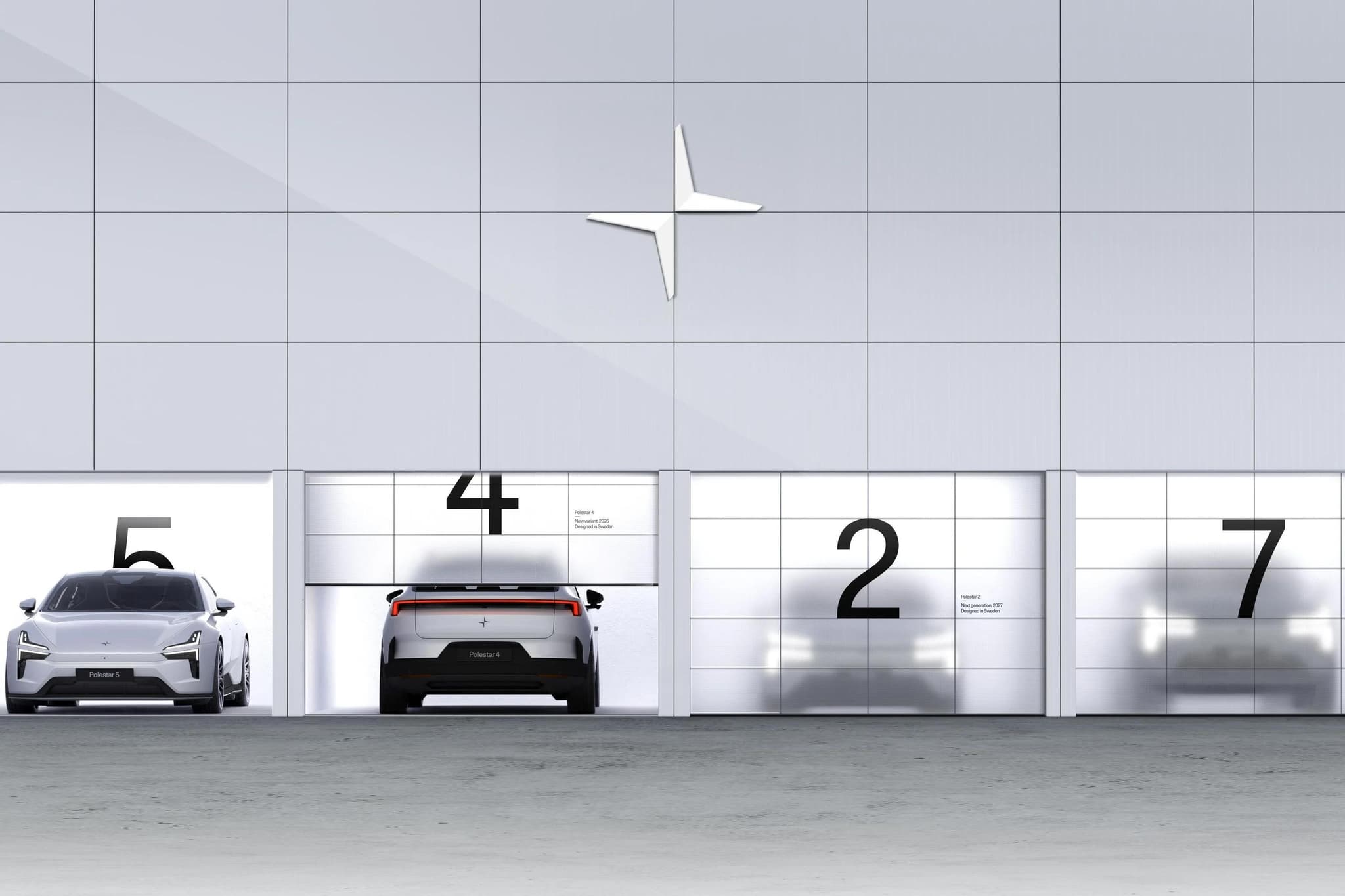
The all-new Polestar 7 compact SUV will arrive locally in late 2027 or early 2028, according to Polestar Cars Australia managing director Scott Maynard.
Speaking to Australian media, Mr Maynard confirmed the baby SUV remains around 18 months away, but is firmly part of the brand’s local rollout strategy.
The Polestar 7 will sit below the current Polestar 3 and Polestar 4, becoming the Swedish-Chinese brand’s entry point into what is now Australia’s most hotly contested EV segment.
▶️MORE: Polestar 2 vs Tesla Model 3 Specs and Features Comparison
When will the Polestar 7 arrive in Australia?
Polestar Australia says timing is expected to be:
- Very late 2027, or
- Early 2028
The SUV will follow a “new variant” of the Polestar 4 and the second-generation Polestar 2, both due here in 2027.
Globally, the Polestar 7 has been positioned as a 2028 model-year vehicle and will be built in Europe — a strategic shift given Australia currently sources its Polestar models from China.
That European production base may appeal to buyers sensitive to manufacturing origins, particularly in the premium segment.
▶️MORE: 2026 Polestar 4 EV Released For Australia
Why is the Polestar 7 so important?
Compact SUVs dominate EV sales in Europe and are rapidly gaining traction in Australia. Globally, Polestar says the segment accounts for roughly one-third of total battery electric vehicle volumes.
For Australia, this move signals Polestar’s intent to compete more directly with:
- Genesis GV60
- Audi Q4 e-tron
- Mercedes-Benz EQB
- Lexus RZ
The Polestar 7 is expected to slot beneath the Polestar 3 in pricing, potentially targeting the $60,000–$75,000 bracket depending on specification — a sweet spot in Australia’s growing premium EV market.
With Polestar delivering 2373 vehicles locally last year —up 38.5 per cent year-on-year — the brand is growing, albeit from a modest base compared with Tesla.
A more accessible model could materially increase those volumes.
▶️MORE: Polestar Slashes Emissions By 25% Per Car Sold in 4 Years
What will the Polestar 7 look like?
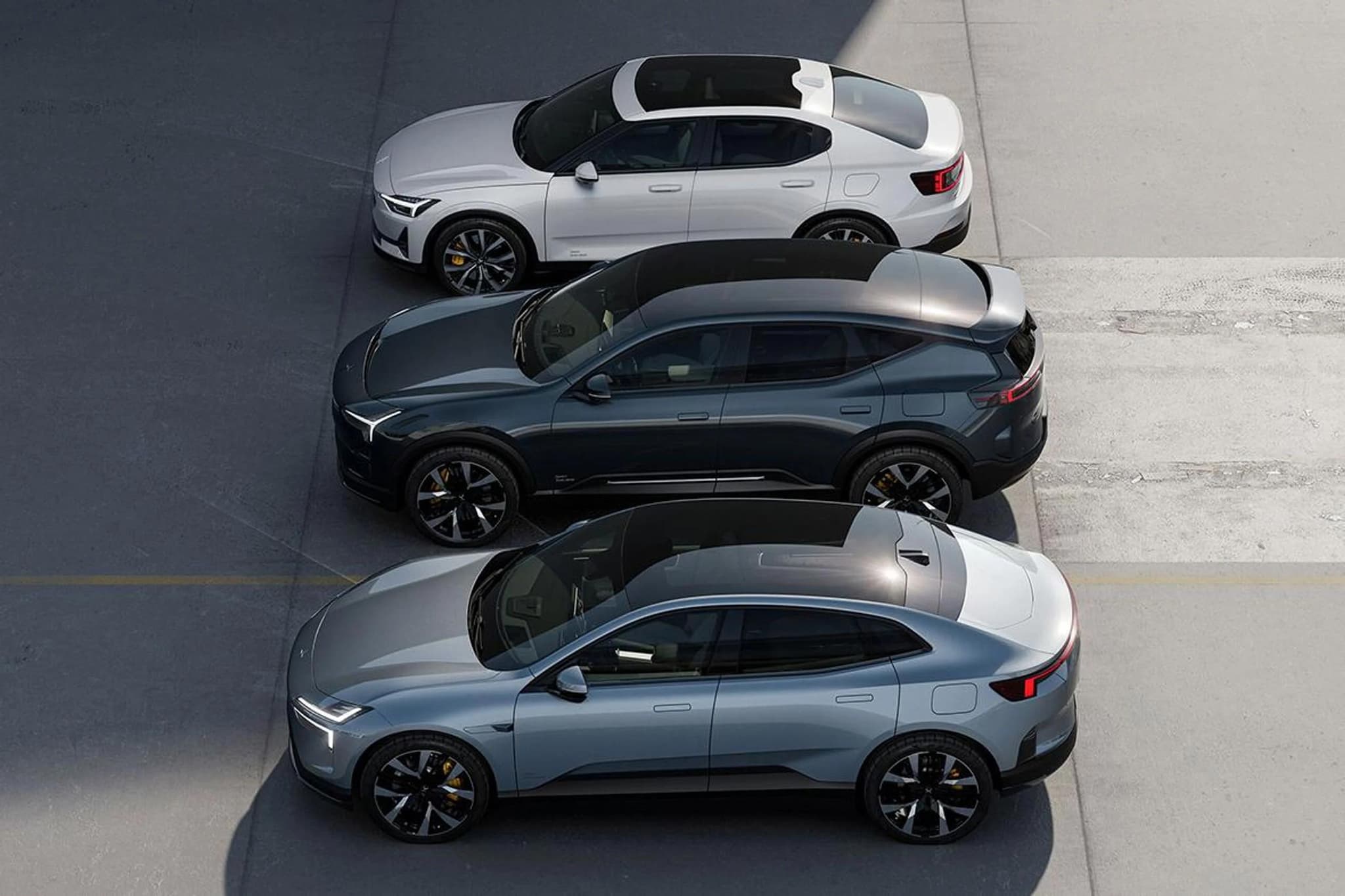
While official images haven’t been released, we can make informed predictions based on Polestar’s design language.
Expect:
- T-shaped LED daytime running lights
- Minimalist, closed-off front fascia
- Smooth body surfacing with subtle creases
- Slim full-width rear lighting
- Clean Scandinavian-inspired proportions
Dimensionally, it’s tipped to be similar in footprint to the Volvo XC40, reflecting Polestar’s shared heritage with Volvo.
Inside, Polestar’s minimalist aesthetic will likely continue with:
- Large portrait-oriented touchscreen
- Digital instrument display
- Google-based infotainment
- Minimal physical switchgear
- Premium recycled and sustainable materials
▶️MORE: Polestar 3 Breaks Guinness Record for EV SUV Range
What about performance and range?
Technical specifications remain under wraps, but expectations include:
- Single-motor rear-wheel drive variants
- Dual-motor all-wheel drive options
- Competitive WLTP driving range in line with rivals
- Fast DC charging capability
Given Polestar’s performance positioning, even entry-level versions should deliver brisk acceleration.
Battery sizes and final range figures are likely to be revealed closer to the vehicle’s global debut, potentially in 2026.
How safe and high-tech will it be?
Polestar’s Volvo-linked DNA suggests a strong safety package as standard.
Likely features include:
- Autonomous emergency braking (forward and reverse)
- Pedestrian and cyclist detection
- Lane-keep assist and lane departure warning
- Blind-spot monitoring
- Rear cross-traffic alert
- Surround-view camera
- Driver monitoring system
Expect over-the-air updates, wireless Apple CarPlay and Android Auto, and advanced driver assistance calibrated for Australian conditions.
What this means for Australia’s EV market
The arrival of the Polestar 7 could intensify competition in Australia’s premium compact EV space just as more Chinese and Korean brands expand locally.
Its significance lies in three areas:
Affordability within premium EVs – Lower entry price could widen Polestar’s audience.
European production – Adds diversity to supply chains.
Segment expansion – Compact SUVs remain Australia’s dominant vehicle type.
If priced sharply, the Polestar 7 could pull buyers away from established European marques while also challenging upper-spec mainstream EV SUVs.
By 2028, Australia’s EV landscape will look very different. The Polestar 7 appears positioned to be part of that next wave.
