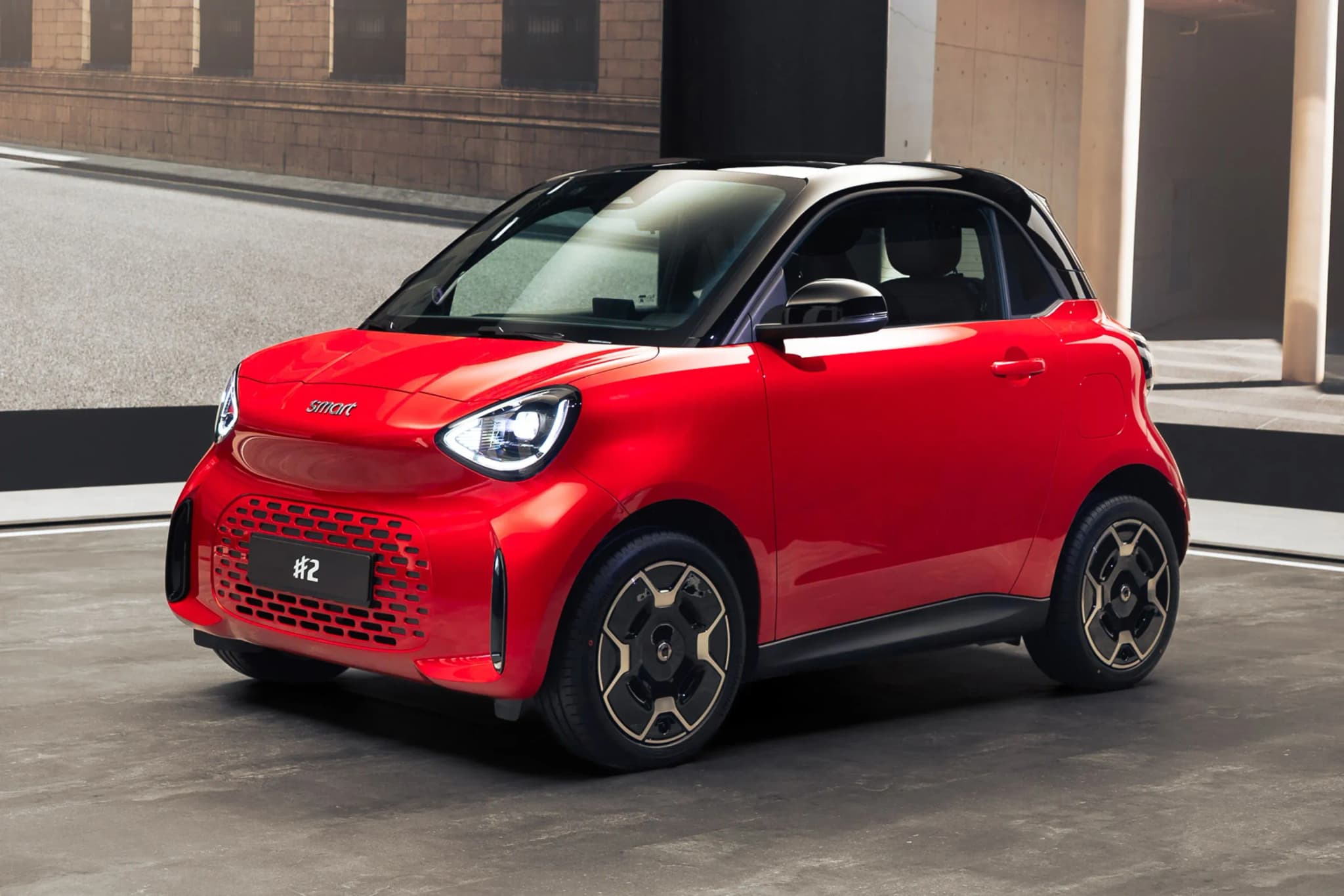
Key Points
- The new Smart #2 is a two seat electric city car with a 35.8kWh LFP battery
- Comes with adaptive cruise control, lane keeping, autonomous emergency braking
- Australian launch unconfirmed
Australia’s electric car market is getting more affordable, with small EVs offering a practical way to cut running costs without stepping into a large SUV. Now, Smart is bringing back one of its most recognisable names with a new all electric city car that puts compact dimensions ahead of extra seats and cargo space.
Revealed at the 2026 Paris motor show, the 2027 Smart #2 is the electric successor to the brand’s famous ForTwo. At just 2.75 metres long, it is designed for crowded streets, narrow parking spaces and short urban trips. It also brings a larger battery and a claimed driving range of up to 290km under the WLTP test cycle.
An Australian launch has not been confirmed, but the prospect of right hand drive production could eventually open the door. For now, the Smart #2 is primarily aimed at overseas markets, where it will compete in the growing small electric car segment.
▶️MORE: Smart Electric Cars Australia: 2026 Prices & Models
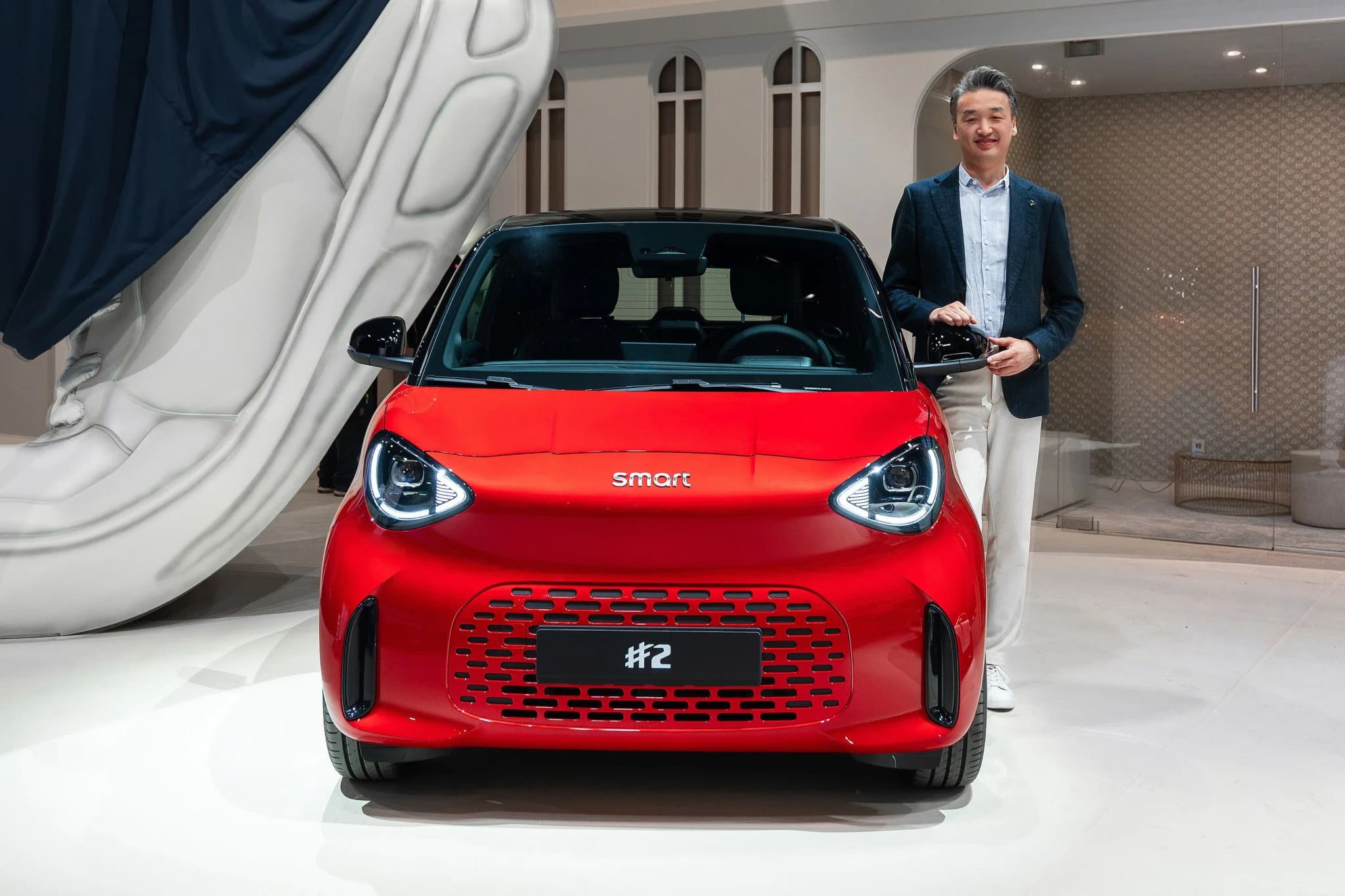
Smart Returns With The #2
The new Smart #2 continues a line of tiny city cars that began with the City Coupe in 1994 and later became known as the ForTwo. Rather than becoming a conventional hatchback, the new model sticks with the original idea: a two seat EV designed for crowded streets and tight parking spaces.
The production car retains much of the look of the Beijing concept and was designed by the Mercedes-Benz Global Design Team. It is built on the new Electric Compact Architecture (ECA), developed by Geely specifically for the #2. Geely took a 50 per cent stake in Smart in 2019, with the brand combining Geely engineering with Mercedes-Benz design expertise.
▶️MORE: 7 Likes and Dislikes: Smart #1 and #3 Electric SUVs

Key highlights
Compact dimensions: At 2,746mm long, the #2 is just 51mm longer and 97mm wider than the fourth generation ForTwo. Its height remains unchanged at 1,555mm, while the wheelbase grows by just 2mm to 1,875mm.
Electric powertrain: A rear mounted motor produces 60kW and 130Nm, sending power to the rear wheels. That is 30Nm less torque than the previous electric ForTwo EQ.
Battery and range: The 35.8kWh lithium iron phosphate battery targets a range of up to 290km under the WLTP test cycle, more than double the previous electric ForTwo EQ's range.
Charging: DC fast charging peaks at 65kW, with a 10 to 80 per cent charge claimed to take as little as 20 minutes under suitable conditions.
Cabin and technology: The two seat interior features a 10.1 inch central touchscreen, an 8.8 inch digital instrument display and distinctive turbine style air vents.
Flexible boot: The rear glass opens separately, while the lower tailgate folds down into a loading platform rated to support 120kg. Boot capacity ranges from 305 to 527 litres, depending on front seat position.
Chassis and safety: A five link rear suspension setup and floor mounted battery help keep the centre of gravity low. The Tridion Cell Evo structure is designed to protect the passenger cabin, while driver assistance features include adaptive cruise control, lane keeping assistance, autonomous emergency braking and automatic high beam.
▶️MORE: Smart EV Deals in Australia
European buyers are expected to have three main grades to choose from: Pure, Pure+ and Premium.
Pure and Pure+: Standard equipment includes 7.4kW AC charging, 65kW DC charging and vehicle to load (V2L) capability, which allows the car to power compatible external devices.
Premium: Adds 11kW AC charging, blind spot monitoring, rear cross traffic alert, rear collision mitigation, a glass roof, faux leather upholstery and a seven speaker Sennheiser sound system.
Couture Edition: This limited run version features unique 16 inch Lyra wheels, matte white paint, a matte gold roof and gold exterior trim. Its grille design takes inspiration from a suitcase. Production is limited to 999 cars for Europe and another 999 for China.
▶️MORE: Smart #5 Confirmed for Australia: #1 and #3 Get $5000 Cuts
Smart #2 Specifications
| Category | Specification | Details |
| Dimensions | Length | 2,746mm |
| Dimensions | Width | 1,760mm |
| Dimensions | Height | 1,555mm |
| Dimensions | Wheelbase | 1,875mm |
| Weight | Kerb weight | 1,140kg |
| Powertrain | Motor and drivetrain | Rear mounted motor, rear wheel drive |
| Performance | Power and torque | 60kW / 130Nm |
| Battery | Battery capacity and chemistry | 35.8kWh LFP |
| Range | Claimed driving range | Up to 290km WLTP |
| Charging | DC fast charging | Up to 65kW |
| Charging | DC charging time | 10 to 80 per cent in as little as 20 minutes |
| Charging | AC charging | 7.4kW standard, 11kW on Premium |
| Interior and practicality | Screens and boot capacity | 10.1 inch infotainment screen, 8.8 inch driver display, 305 to 527 litres of boot space |
| Safety and variants | Features and European grades | Tridion Cell Evo structure, adaptive cruise control, lane keeping assistance, autonomous emergency braking; Pure, Pure+ and Premium |
Smart #2 Vs BYD Atto 1
Both cars target buyers who want a small, relatively affordable electric car. They take different approaches to urban driving: the Smart #2 is an ultra compact two seater built for tight streets and easy parking, while the BYD Atto 1 is a conventional four seat hatchback with more flexibility for passengers and daily errands.
Size and Practicality
The size gap is substantial. At 2,746mm, the Smart is about 1.24 metres shorter than the 3,990mm BYD.
- Smart #2: Easier to park and manoeuvre where space is scarce.
- BYD Atto 1: Two extra seats make it the better all round household car.
▶️MORE: BYD Atto 1 Essential Now Australia’s Cheapest New Car at $19,990
Battery and Range
Range is closer than the sizes suggest. The Smart’s 35.8kWh LFP battery sits between the BYD’s two options, and its 290km target is nearer to the larger battery version.
- BYD Essential: 30kWh battery, 220km WLTP range
- Smart #2: 35.8kWh battery, up to 290km
- BYD Premium: 43.2kWh battery, up to 310km
| Specification | Smart #2 | BYD Atto 1 Essential | BYD Atto 1 Premium |
| Body style | Two seat city car | Four seat hatchback | Four seat hatchback |
| Length | 2,746mm | 3,990mm | 3,990mm |
| Battery | 35.8kWh LFP | 30kWh LFP | 43.2kWh LFP |
| Claimed WLTP range | Up to 290km | 220km | 310km |
| Motor power | 60kW | 65kW | 115kW |
| Drivetrain | Rear wheel drive | Front wheel drive | Front wheel drive |
| 0 to 100km/h | Not specified | 11.1 seconds | 9.1 seconds |
| Max DC charging | 65kW | 65kW | Up to 85kW |
| AC charging | 7.4kW standard, 11kW Premium | 11kW | 11kW |
Performance and Charging
On paper, the BYD has the edge in outright performance, particularly in Premium form, and offers more range with its larger battery. The Smart counters with a rear wheel drive layout and a focus on simple city mobility.
- Performance: The Atto 1 Premium’s 115kW motor and 9.1 second sprint lead the group.
- DC charging: The Smart matches the Essential at 65kW, while the Premium reaches up to 85kW.
- AC charging: The BYD offers 11kW across both grades, while the Smart gets 11kW only on its Premium grade.
What This Means For Australia
For Australian buyers, the biggest question is whether Smart will bring the #2 here. The brand has not confirmed local availability, pricing or specifications. Drive has reported that an Australian arrival could be possible once right hand drive production begins, but that remains a possibility rather than a confirmed launch plan.
If it does arrive, the Smart #2 would offer something different from the growing number of small electric SUVs and hatchbacks sold locally. Its two seat layout and short body make it a specialist city car rather than a direct replacement for a family vehicle. It could appeal to city commuters, couples with another household car or drivers who want a small EV for short trips and tight parking spaces.
The BYD Atto 1 offers a more conventional alternative for buyers who need four seats and a little more flexibility. The Smart’s success in Australia would therefore depend on its price, local charging specifications, safety equipment and whether enough buyers are willing to trade passenger space for an exceptionally compact car.
For now, the Smart #2 is an overseas reveal worth watching rather than a confirmed new option for Australian showrooms. More information about pricing and market availability is expected as the car moves closer to launch.
Get a novated lease quote
