Electric Wagons in Australia (2026)
Updated
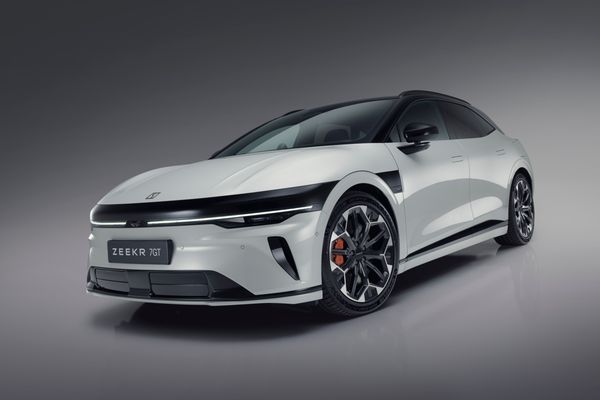
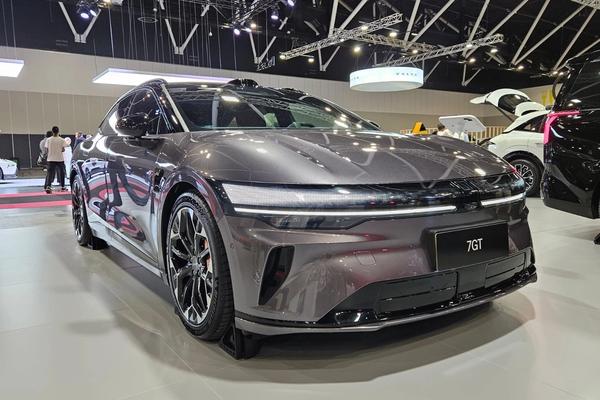
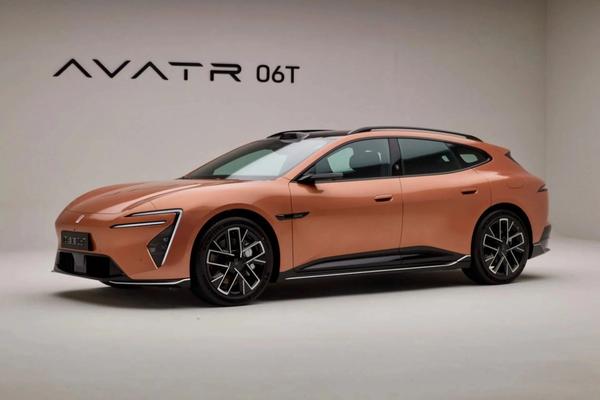
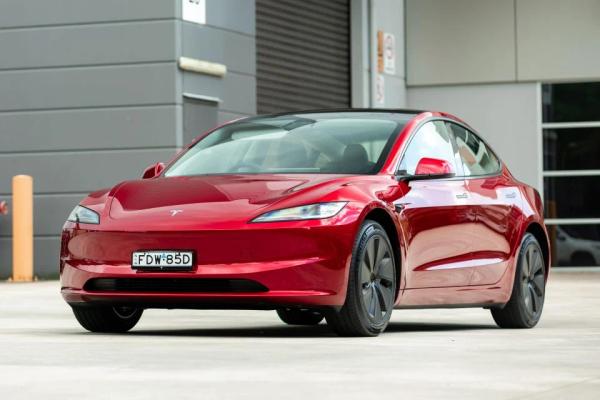
Electric wagons are still rare in Australia, but the segment is growing. If you want sedan efficiency with SUV-like space, compare them below.
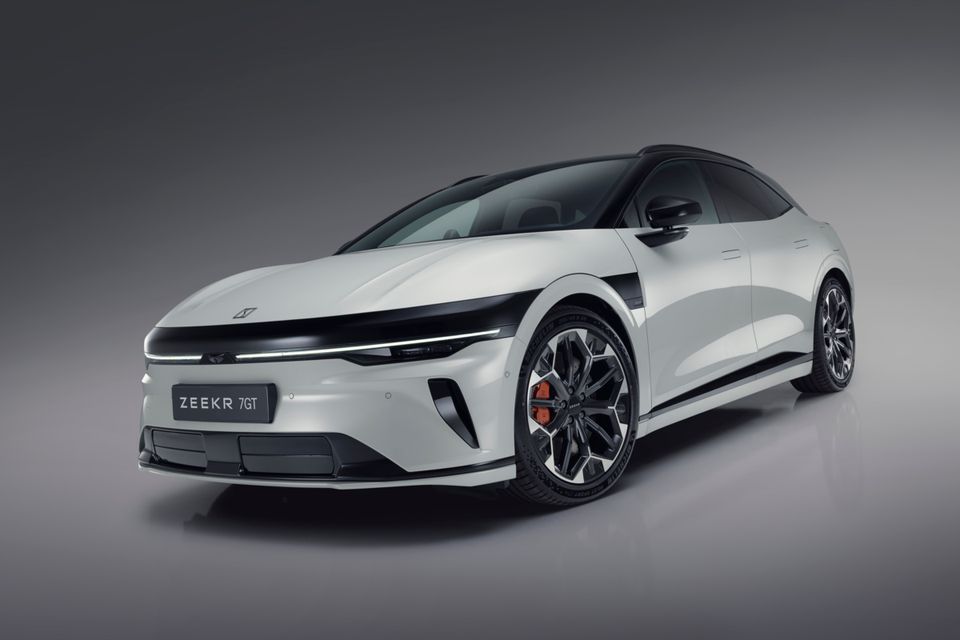
4 models
| Rank | Make and model | Status | |||||||
|---|---|---|---|---|---|---|---|---|---|
| 1 | On sale | $197,400 | 517 | 530 | 5 | AWD | 188 | 97 | |
| 2 | On sale | $219,900 | 506 | 490 | 5 | AWD | 160 | 81.2 | |
| 3 | On sale | $224,000 | 516 | 489 | 5 | AWD | 188 | 97 | |
| 4 | Coming February 2027 | — | 558 | 456 | 5 | AWD | 168 | 94 |
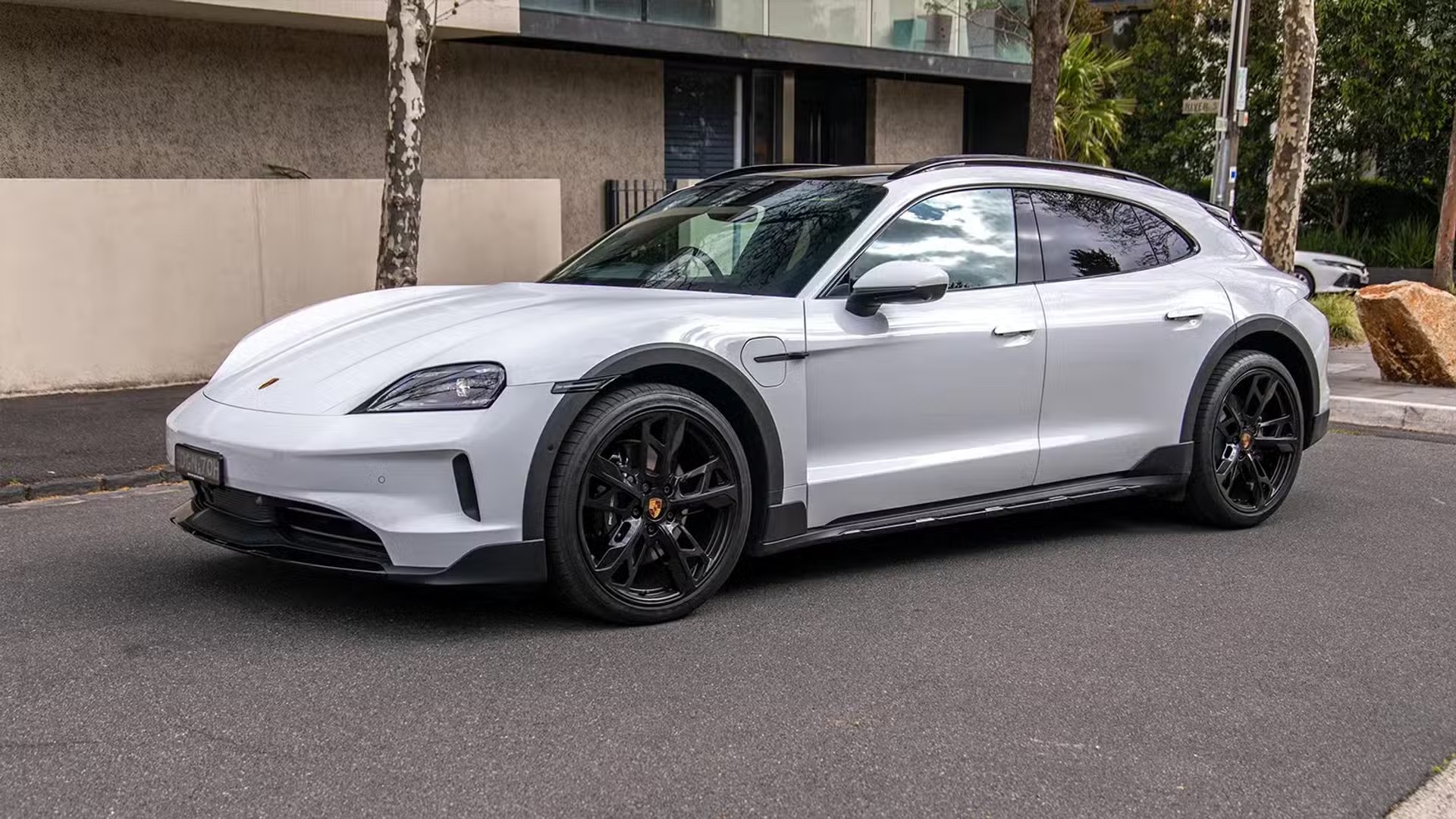
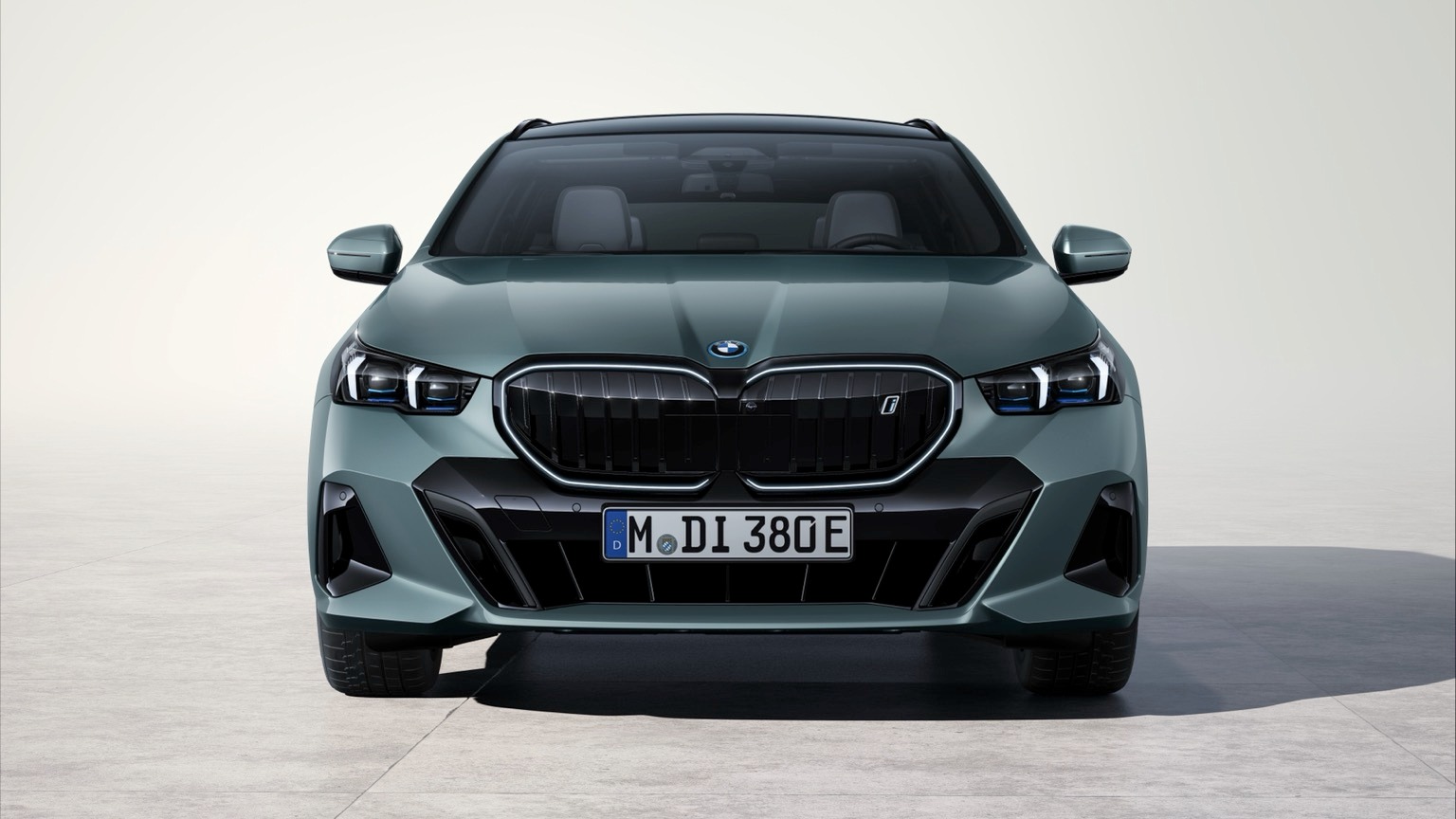

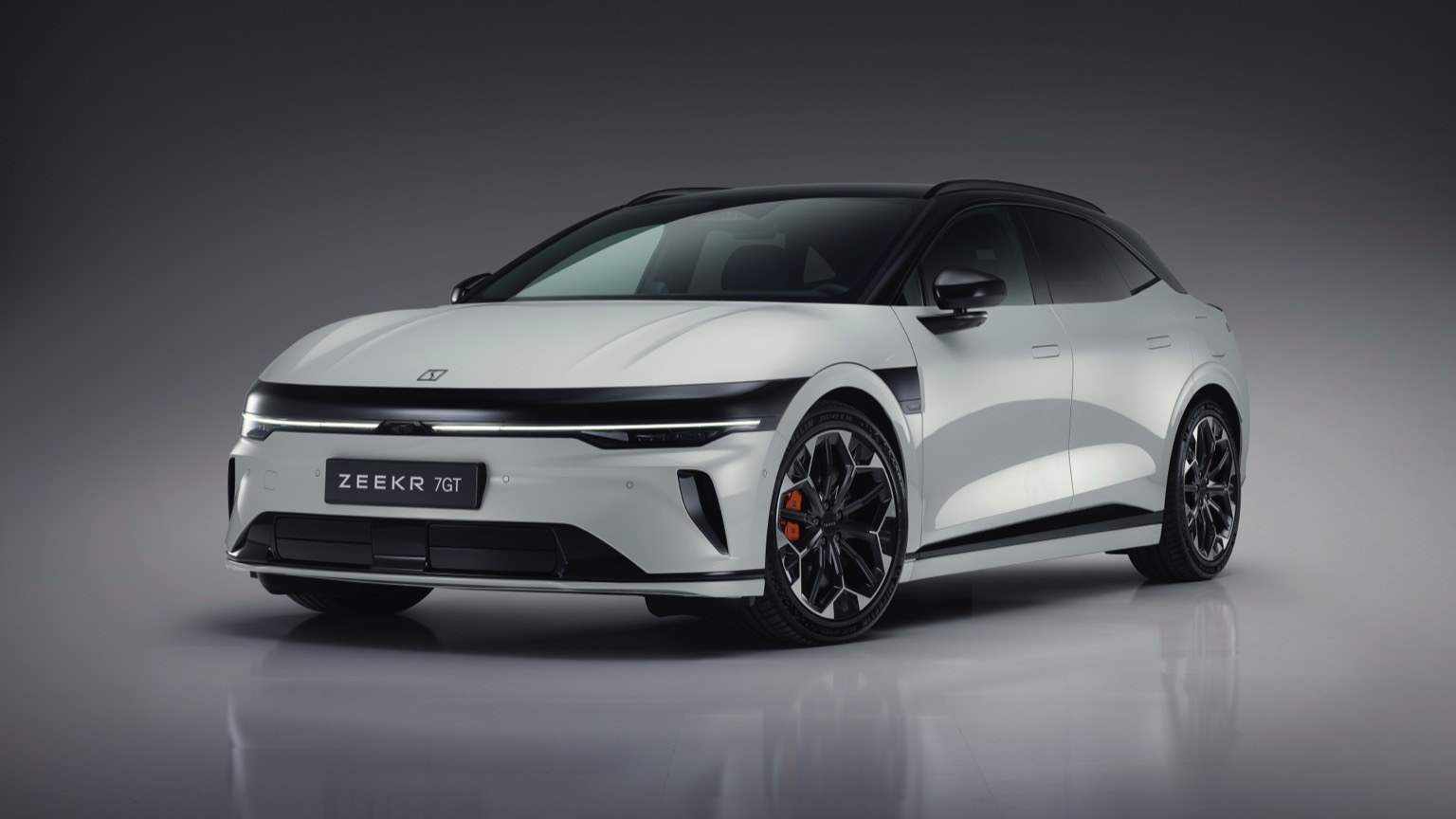
Electric wagon vs electric SUV
Wagons offer SUV-like boot space with sedan-like efficiency. Electric wagons here average 517 L of boot and 179 Wh/km, against 508 L and 153 Wh/km for electric SUVs.
Is an electric wagon right for you?
A wagon suits buyers who want lower energy use and car-like handling without giving up boot space. Because the body sits lower than an SUV's, a wagon is usually more aerodynamic, so it goes further on the same battery and is easier to load from the kerb.
The catch is choice. The electric station wagon segment is still small in Australia, so there are only a handful of models and prices start higher than for small electric SUVs. If you need a wagon now, check the Status column for confirmed arrivals before you commit.
Data from Zecar's EV database, synced automatically from manufacturer specifications and last updated 22 October 2026. Ranked by status (on sale first), then price, lowest first. Includes models on sale and confirmed for Australia. Prices are RRP before on-road costs unless marked drive-away.