Key Points
- Perth's new Bayswater electric bus depot features 67 charging units and can support up to 180 electric buses.
- Transperth's locally manufactured electric bus fleet has surpassed 200 vehicles, with around 11 new buses entering the program monthly.
- Jandakot is expected to receive 41 dual chargers by mid 2027, while further electric bus infrastructure is planned for three other Perth depots.
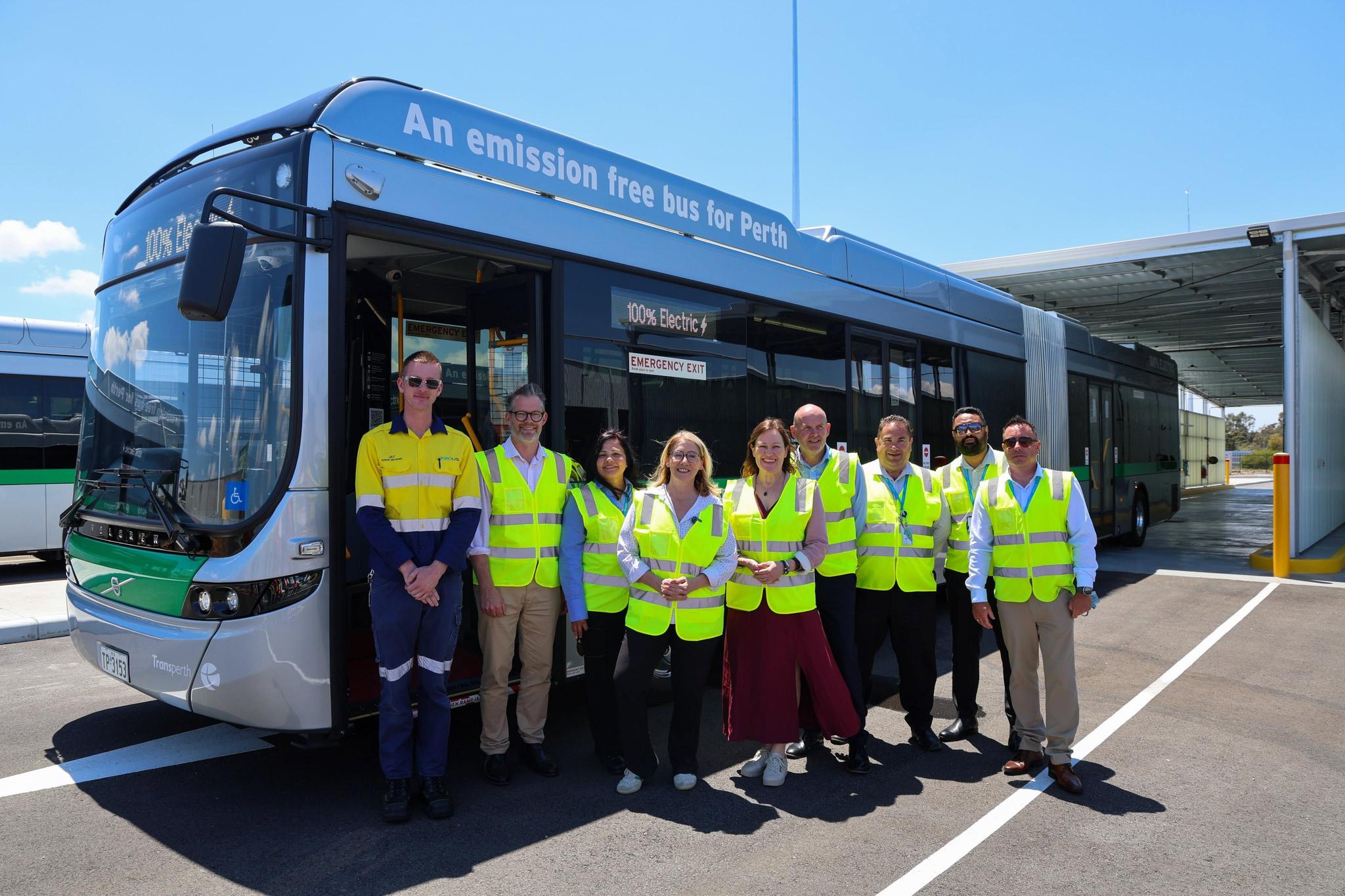
Perth is stepping up its transition to zero emission public transport, with its largest electric bus depot now operational in Bayswater as Transperth’s locally manufactured electric fleet passes the 200 vehicle milestone.
The upgraded facility will initially support 132 electric buses, with enough charging infrastructure to accommodate up to 180 vehicles as the network expands. It marks another important step in Western Australia's plan to replace diesel buses with locally built electric alternatives.
The development is part of a $250 million joint investment by the Australian and Western Australian governments, covering new electric buses, depot upgrades and charging infrastructure across the Transperth network.
With local manufacturing continuing to ramp up and more electric buses entering passenger service each month, Perth is building the infrastructure needed to support a much larger zero emission bus fleet.

Bayswater’s New EV Bus Depot
The newly upgraded Bayswater depot is Perth's largest facility dedicated to supporting electric buses, with charging equipment designed to accommodate the growing Transperth fleet.
The site currently has 65 dual chargers and two single chargers, providing capacity for an initial 132 electric buses and up to 180 vehicles in the longer term.
Around 20 electric buses are already operating from the depot.
Beyond its charging infrastructure, the project includes several upgrades designed to support daily bus operations, including:
- A new administration building.
- An upgraded workshop and bus wash bay.
- Improvements to the depot yard.
- Additional bus and staff parking.
- New landscaping and supporting infrastructure.
Bayswater is now the fourth Transperth location equipped with electric bus charging infrastructure. It joins Elizabeth Quay Bus Station and the Malaga and Karrinyup depots.
WA Transport Minister Rita Saffioti said expanding depot infrastructure was essential to keeping pace with the state's growing electric bus fleet.
She highlighted the importance of developing charging facilities alongside locally manufactured vehicles to ensure the network can continue its transition away from diesel.

Expanding Electric Bus Charging
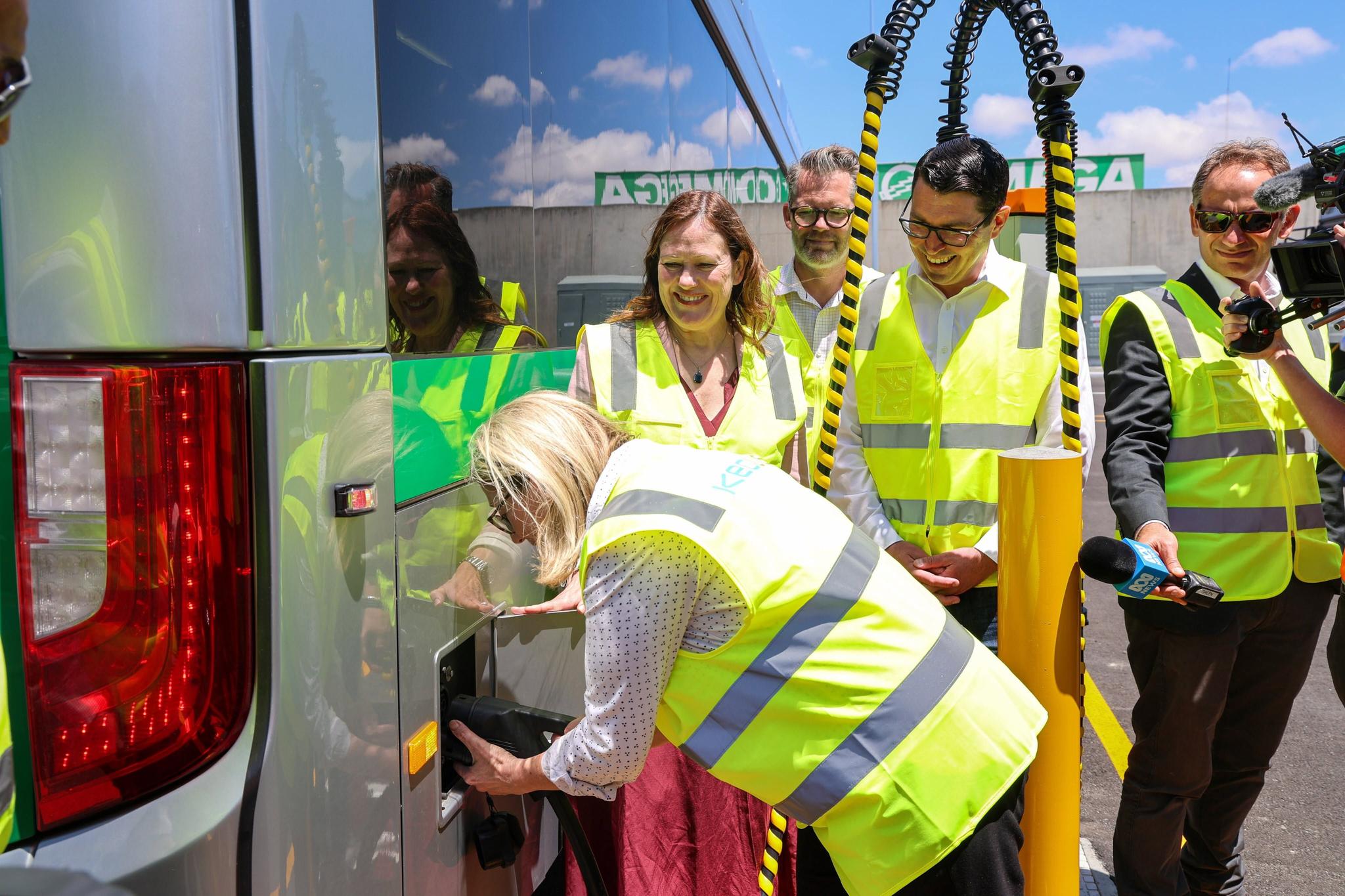
The Bayswater opening is part of a broader infrastructure rollout across Perth, with additional depots being prepared to accommodate more electric buses.
Work is already progressing at Jandakot, where electrical connection works have been completed and charger installation is underway.
Once finished, the depot will feature 41 dual chargers, providing enough capacity to support up to 82 electric buses. The complete charging network at the site is expected to be operational by mid 2027.
Planning is also underway for electric bus infrastructure at three other locations:
- Welshpool
- Joondalup
- Claisebrook
These developments will help Transperth expand its charging network as more diesel vehicles are replaced by battery electric buses.
The initial stage of the $250 million government program funded 130 electric buses alongside depot improvements and charging upgrades.
Federal Transport Minister Catherine King said cooperation between the Australian and WA governments was helping deliver the infrastructure needed to transition the Transperth network towards zero emission operations.
The expansion is particularly important because electric bus depots require dedicated charging equipment and supporting facilities to keep vehicles ready for service throughout the day.

Growing Local EV Production
Western Australia's electric bus transition is also being supported by local manufacturing, with vehicles built in Malaga rather than relying entirely on imported buses.
Transperth's final diesel bus was manufactured more than a year ago, and every new bus produced for the network since then has been electric.
The state government says approximately 11 locally manufactured electric buses are entering the program each month, providing a steady supply of new vehicles as charging infrastructure expands.
The fleet is also moving beyond conventional rigid buses.

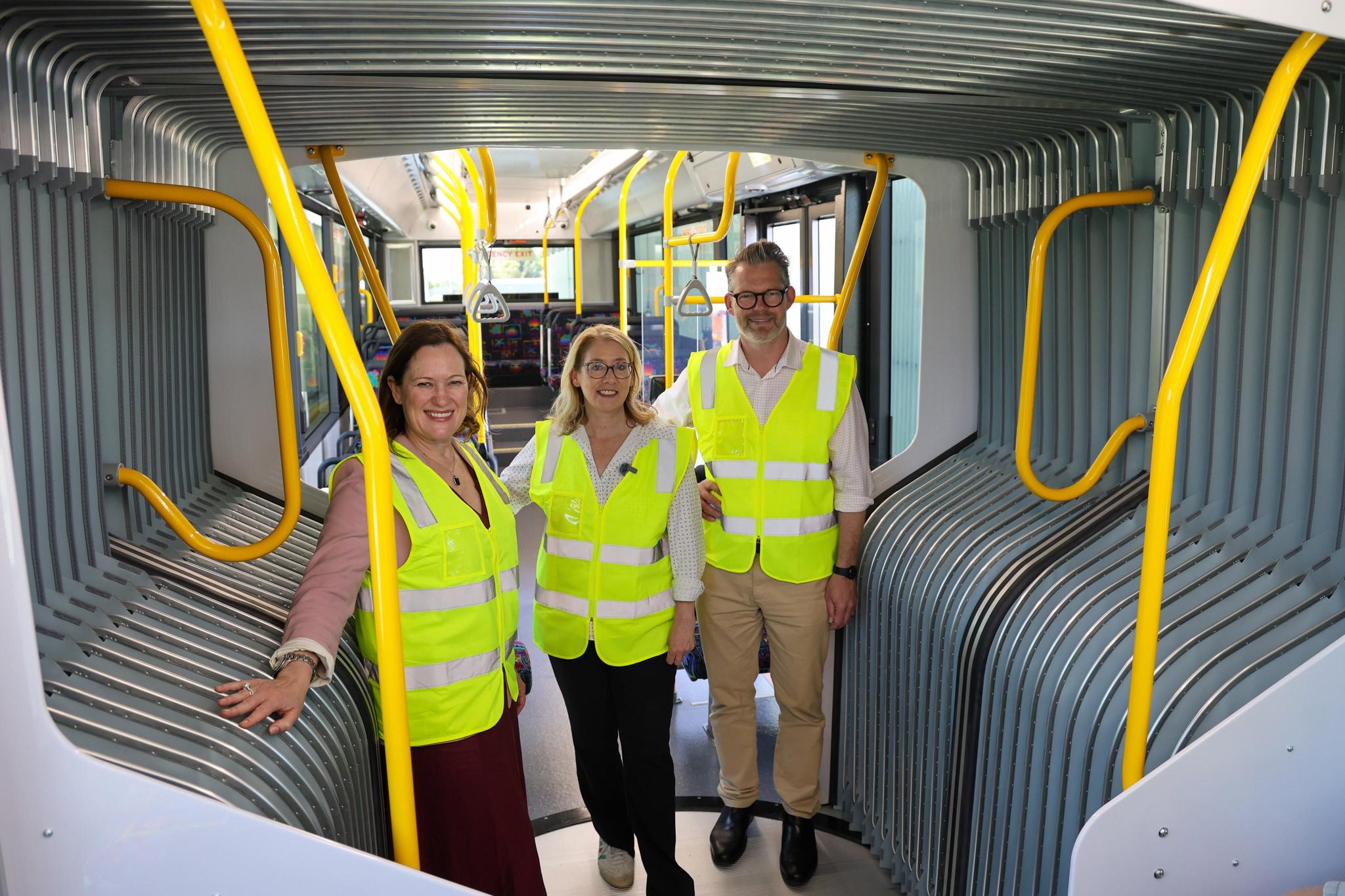
On November 2, Australia's first locally manufactured electric articulated bus entered passenger service with Transperth. A second articulated electric bus is expected to begin operating from the Karrinyup depot in the coming weeks.
Articulated electric buses offer additional passenger capacity, making them particularly useful on busy public transport routes where demand is higher.
The growing production pipeline means depot upgrades will become increasingly important. With more electric buses being manufactured every month, charging capacity needs to expand at a similar pace to ensure new vehicles can enter service without infrastructure becoming a bottleneck.
Bayswater's eventual capacity of 180 buses reflects this longer term approach, with the depot designed to support future fleet growth rather than simply accommodate the vehicles currently allocated there.
Bayswater MLA Dan Bull also highlighted the importance of the facility, saying its additional charging capacity would help local communities benefit from cleaner public transport as production continues to increase.
READ MORE: How to use a public EV charging station (step-by-step guide)

What This Means for Australia
The initiative represents more than another infrastructure upgrade. It demonstrates how local vehicle manufacturing, government investment and charging facilities can work together to accelerate the transition towards zero emission public transport.
For Western Australia, the combination of locally built buses and expanding depot capacity could make it easier to progressively retire diesel vehicles while maintaining reliable services for passengers.
The approach also highlights an important consideration for other Australian states and territories: electrifying a bus network requires more than purchasing battery electric vehicles. Operators need suitable depots, reliable electrical connections, dedicated chargers and enough capacity to manage vehicles across their daily schedules.
With more than 200 locally manufactured electric buses now part of the Transperth fleet, Bayswater and the planned Jandakot upgrades will help establish the foundations for further growth.
As infrastructure projects at Welshpool, Joondalup and Claisebrook progress, Perth is moving closer to a public transport network increasingly powered by electricity rather than diesel.
