Key Points
- Leapmotor has confirmed preliminary vehicle to grid testing
- The company is exploring further testing and a potential collaboration with Amber
- Battery warranty, charging hardware and grid compatibility remain key hurdles
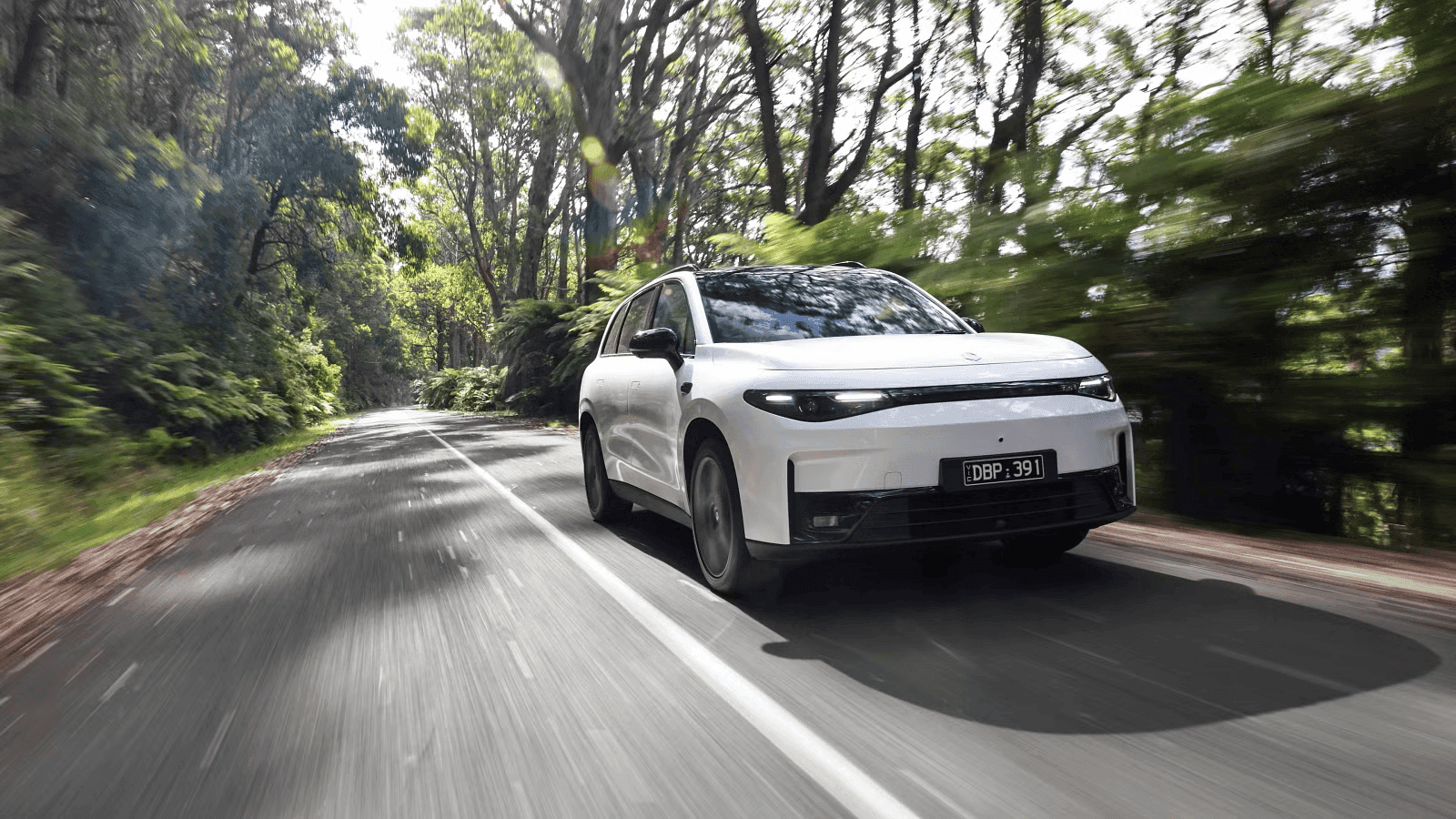
Leapmotor has begun preliminary vehicle to grid testing in Australia, putting the Chinese electric vehicle maker a step closer to exploring whether its cars could eventually send stored energy back into the electricity network.
The company has not said which vehicle was used, where the testing took place or whether electricity was successfully exported to the grid. It has also stopped short of confirming a customer trial or commercial launch.
A Stellantis Australia spokesperson confirmed the local testing, saying the company is evaluating the technology and its potential applications. Leapmotor is also looking at broader testing opportunities, including a potential collaboration with Australian energy retailer Amber Electric.
The move comes after Leapmotor global product planning executive Tianyue Zhong described Australia as the company's leading opportunity for V2G technology.
But there are still several hurdles before that becomes an option for Leapmotor customers.

Leapmotor has started local V2G testing
Unlike conventional EV charging, vehicle to grid technology allows electricity to flow in both directions between a car and the electricity network.
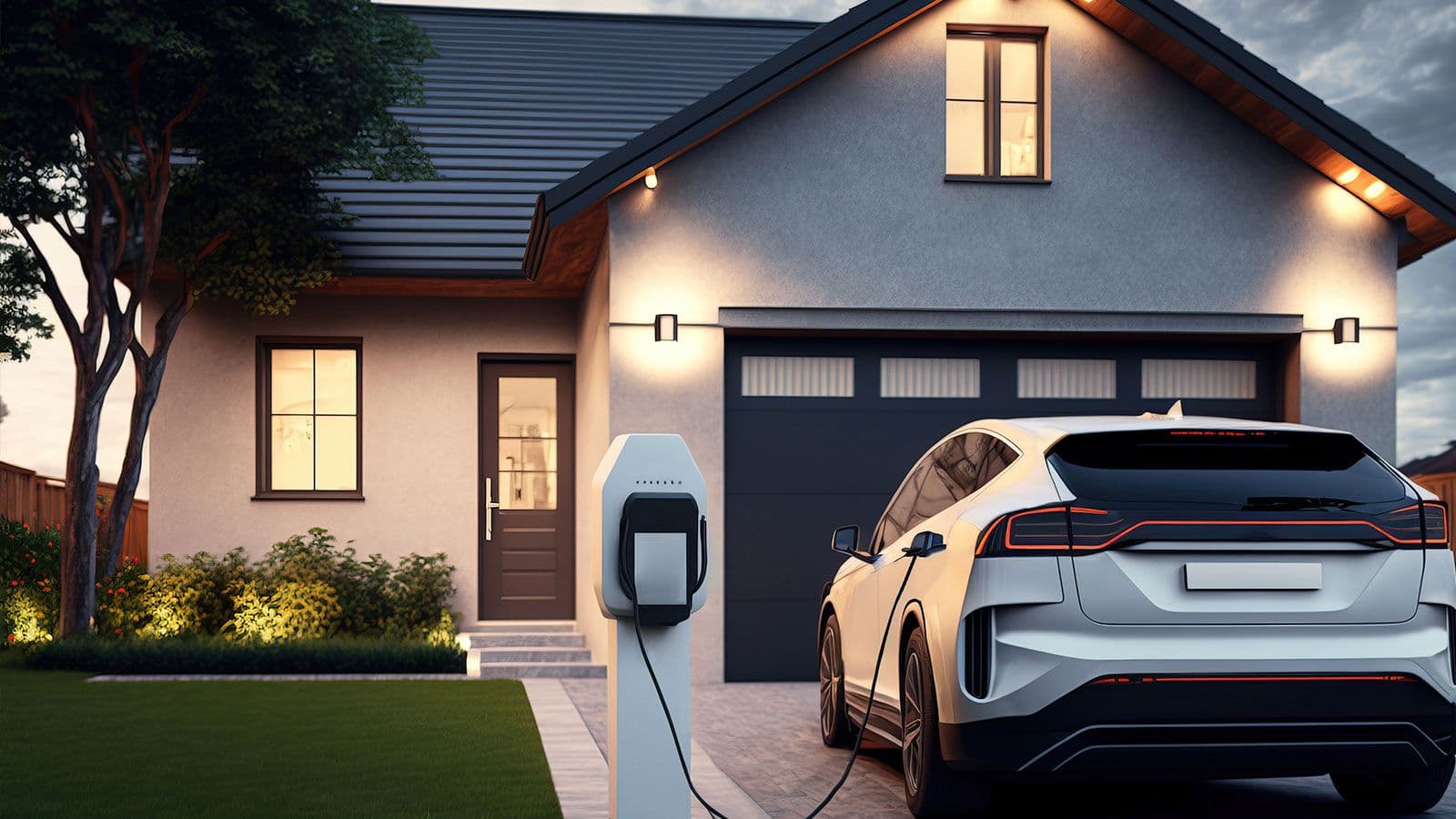
A compatible vehicle can draw power from the grid to charge its battery, while an approved bidirectional charger can later send electricity from the vehicle back into the network.
Leapmotor has now confirmed that it has undertaken preliminary testing of this technology in Australia.
However, the company has not shared the details of the tetsing being undertaken including the Leapmotor model involved, the bidirectional charger used, the location of the testing or whether power was actually exported into the grid.
The company has also not announced a customer trial, commercial launch date or timetable for introducing the technology locally.
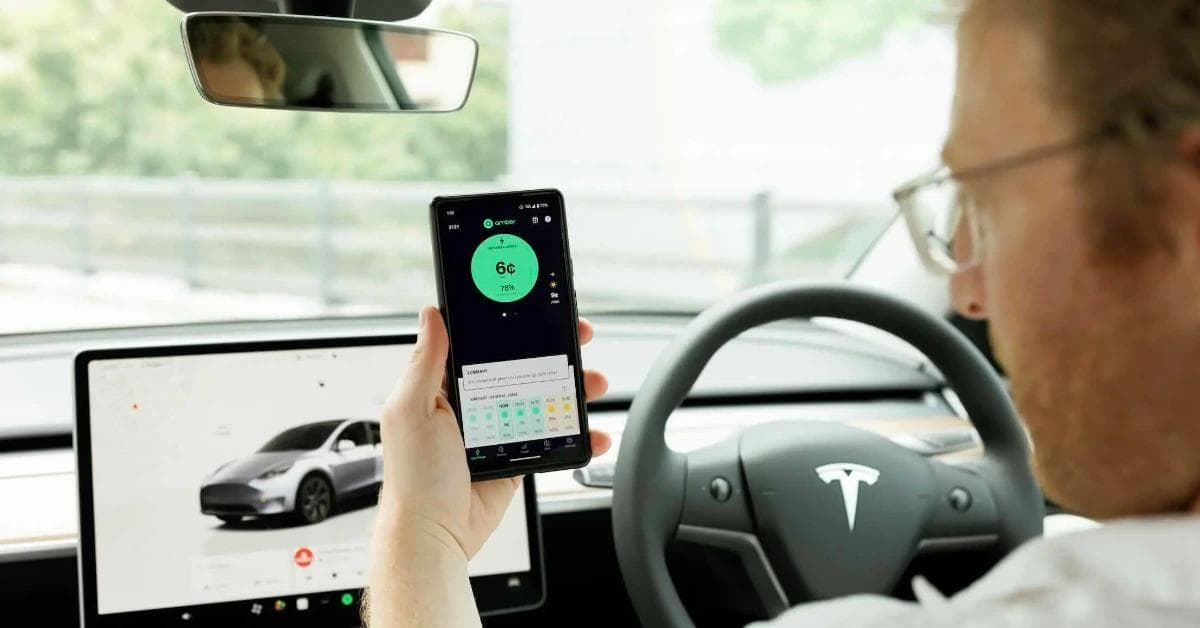
It is likely however if they were to join a trial it would likely be Amber’s V2G trial which has received funding to expand its trial from 50 vehicles to 1000. This would involve expanding the trial beyond the BYD Atto 3 to other makes and models.
Battery warranties remain a key hurdle
One of the biggest questions surrounding V2G is what happens to the vehicle's battery when it is regularly used as an energy storage device.
Sending electricity back to a home or the grid creates additional charging and discharging cycles that are not reflected by the vehicle's odometer.
Leapmotor has yet to explain how those additional cycles would be treated under its Australian battery warranty, or whether it would impose limits on the amount of energy exported or the number of V2G cycles.
The Australian Government's position is also important for prospective customers. A vehicle is only considered verified as V2G capable when its manufacturer provides warranty and servicing support for that use.
Using unsupported bidirectional charging equipment could potentially affect warranty coverage for the battery or charging system.
Leapmotor has identified battery warranty coverage as one of the issues that needs to be resolved, alongside compatibility with Australia's different electricity networks.
That makes the technical ability to export electricity only one part of the challenge. Automakers, charger providers, energy retailers and network operators all need to be able to work together before V2G can become a mainstream feature for Australian EV owners.
Amber could help bring V2G to homes
Leapmotor's Australian testing comes as Amber works on a major residential V2G rollout.
The energy retailer has received another $13.6 million from the Australian Renewable Energy Agency in May 2026, bringing total government support for the project to $16.8 million.
The expanded program aims to bring V2G capability to 1000 Australian homes, alongside smart charging for as many as 2000 households.
Amber's next stage is expected to use at least four V2G charging solutions and four supported battery electric models. However, neither Amber nor Leapmotor has confirmed that a Leapmotor vehicle will be included.
The two companies are nevertheless discussing the possibility of broader collaboration and further testing.
MORE▶️Bidirectional V2H and V2G EV Chargers Guide
Amber's system is designed to manage charging and energy exports automatically based on electricity prices and grid conditions.
In simple terms, an EV could charge when electricity is relatively cheap or when renewable generation is plentiful. When demand and wholesale prices increase, the system could potentially export some of that stored energy back to the grid while keeping enough charge available for the owner's driving needs.
It is also important not to confuse V2G with vehicle to load, or V2L.
V2L is already available on a number of EVs sold in Australia, including some Leapmotor models. It allows the car to supply electricity to individual appliances through a suitable adaptor.
V2G is considerably more complicated. It requires compatible vehicle software, bidirectional charging hardware, grid approval, integration with an energy retailer and formal support from the vehicle manufacturer.

What this means for Australia
Leapmotor's interest in Australia is partly driven by the country's unusually high uptake of rooftop solar.
Tianyue Zhong said Australia was the company's number one global opportunity for V2G, pointing to the large amount of household generated solar electricity that cannot always be consumed or exported at the time it is produced.
That makes Australian homes an attractive environment for testing whether EV batteries can become another form of distributed energy storage.
Leapmotor is also considering a future V2G pilot in the UK, but Australia appears to have emerged as the more immediate focus.
The company's Australian range currently includes battery electric and range extender versions of the B10 and C10 SUVs, as well as the electric B05 hatch. The smaller B03X is also expected to join the local range after appearing in Australian Government certification documents.
The B03X's international specification lists V2L but does not list V2G, and Leapmotor has not confirmed that it was the vehicle used for Australian testing. The testing could instead have involved another model or a development vehicle.
None of Leapmotor's current or upcoming Australian vehicles has been formally advertised with V2G capability.
The next step will be establishing which models have the necessary hardware and software, whether existing vehicles can support the technology, how bidirectional chargers will be approved and, crucially, how battery warranties will apply when vehicles are used to feed energy back into the grid.
For Australian EV owners, the potential is significant. A car parked in a driveway for much of the day could eventually do more than transport its owner. It could store rooftop solar, help manage household electricity costs and potentially provide energy to the wider grid.
Add zecar as a preferred source on Google Search 🔍
