
Key Points
- LFP (lithium iron phosphate) is the cheapest chemistry, the most thermally stable and typically the longest-lasting, but it is heavier for the same range
- NMC (also written NCM) and NCA are nickel-rich chemistries with higher energy density and better cold-weather charging, but cost more
- The same model can use different chemistries: standard-range variants are often LFP, long-range and performance variants often NMC
- Sodium-ion, solid-state and BYD's second-generation Blade Battery are arriving, but LFP and NMC dominate cars on Australian roads today
Every electric car runs on a lithium-ion battery, but the chemistry inside the cells varies. It shapes range, price, charging habits and how long the battery lasts. Three chemistries cover most EVs: LFP (lithium iron phosphate), NMC (nickel manganese cobalt) and NCA (nickel cobalt aluminium).
The short version: LFP is cheaper, safer and lasts more charge cycles. NMC and NCA pack more energy into less weight, so they suit long-range and performance cars. Which one you get often depends on the variant you buy, not just the brand. Use our electric car database to check a specific variant, and see our guide to electric car range for how battery size translates to real-world driving.
Check the battery in any EV variant
LFP vs NMC vs NCA at a glance
Cycle life and charging limits vary by car. Your manufacturer's warranty and owner's manual are the best guide for your vehicle.
LFP vs NMC: which is better for you?
Neither chemistry is better overall. It depends on how you drive.
- Daily commuting and city driving: LFP usually makes more sense. It is cheaper, handles frequent charging well, and the lower energy density rarely matters on short trips.
- Long trips, towing or performance: NMC gives more range from the same pack weight and charges better in the cold.
- Keeping the car a long time: LFP's longer cycle life is an advantage if you plan to hold the car for many years.
- Cold climates: NMC and NCA hold up better when it is cold. LFP charges more slowly at low temperatures.
NMC batteries
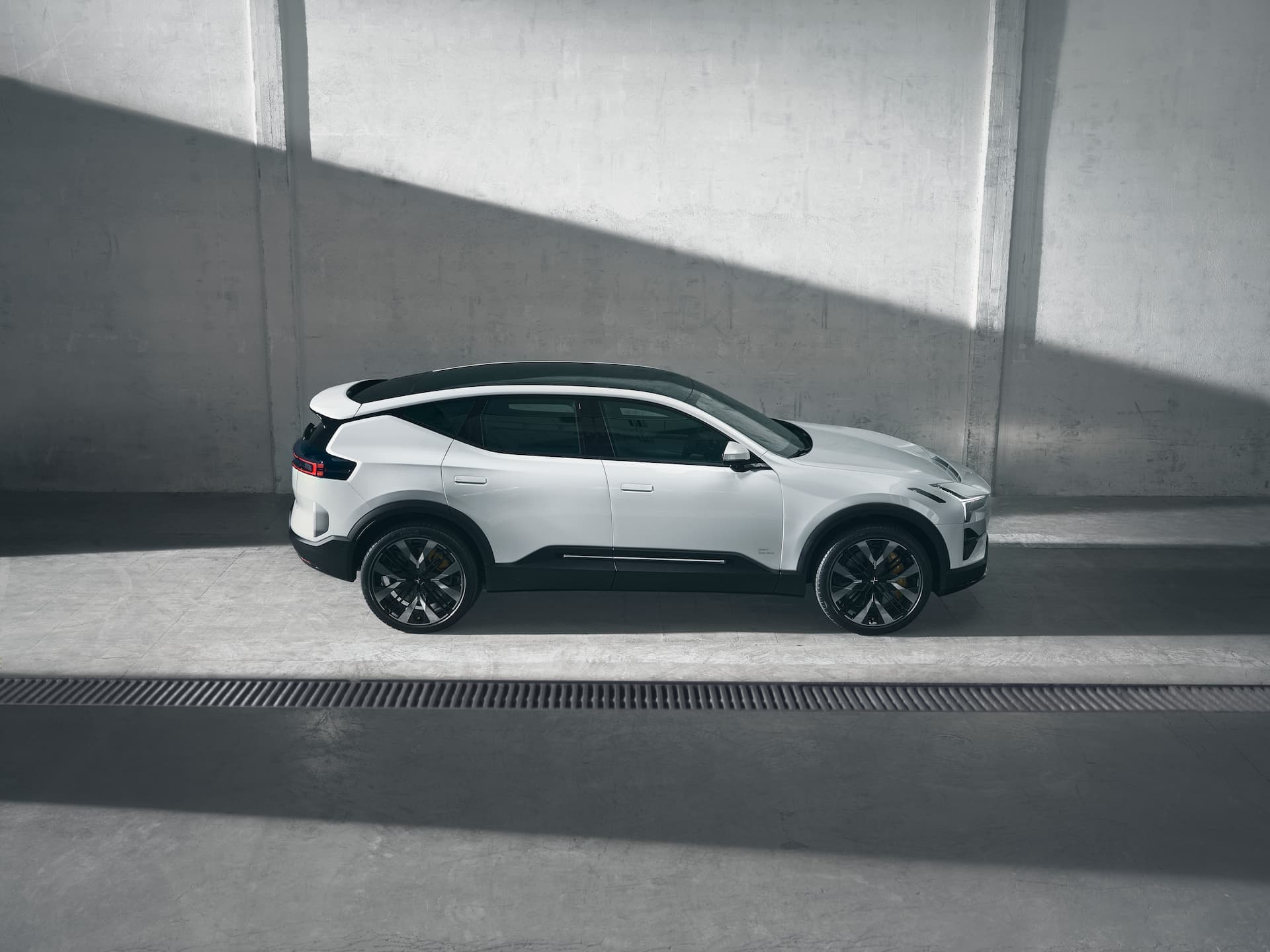
Nickel manganese cobalt (NMC) batteries use nickel, manganese and cobalt in the cathode. You will also see the same chemistry written as NCM, with the letters in a different order.
NMC cells pack more energy into less weight, so they give more driving range from a given pack size. They are also less sensitive to low temperatures, which means they can charge faster in cold climates.
✅Pros
- Higher energy density (more driving range)
- Faster charging performance in cold climates
❌Cons
- More expensive than LFP, mainly due to nickel and cobalt
- Shorter cycle life than LFP
- Higher thermal runaway risk than LFP
- Relies on nickel and cobalt, which add cost and supply-chain concerns
The trade-offs are cost and materials. Nickel and cobalt are expensive, and cobalt mining has been linked to unsustainable and unethical practices in developing countries. That makes NMC packs pricier than LFP per unit of energy.
Many manufacturers recommend limiting daily charging of NMC packs to below 100 per cent to reduce long-term degradation, with the exact limit set by each brand. Full charges are best saved for long road trips. For manufacturer-specific advice, check our electric car model database.
NCA batteries
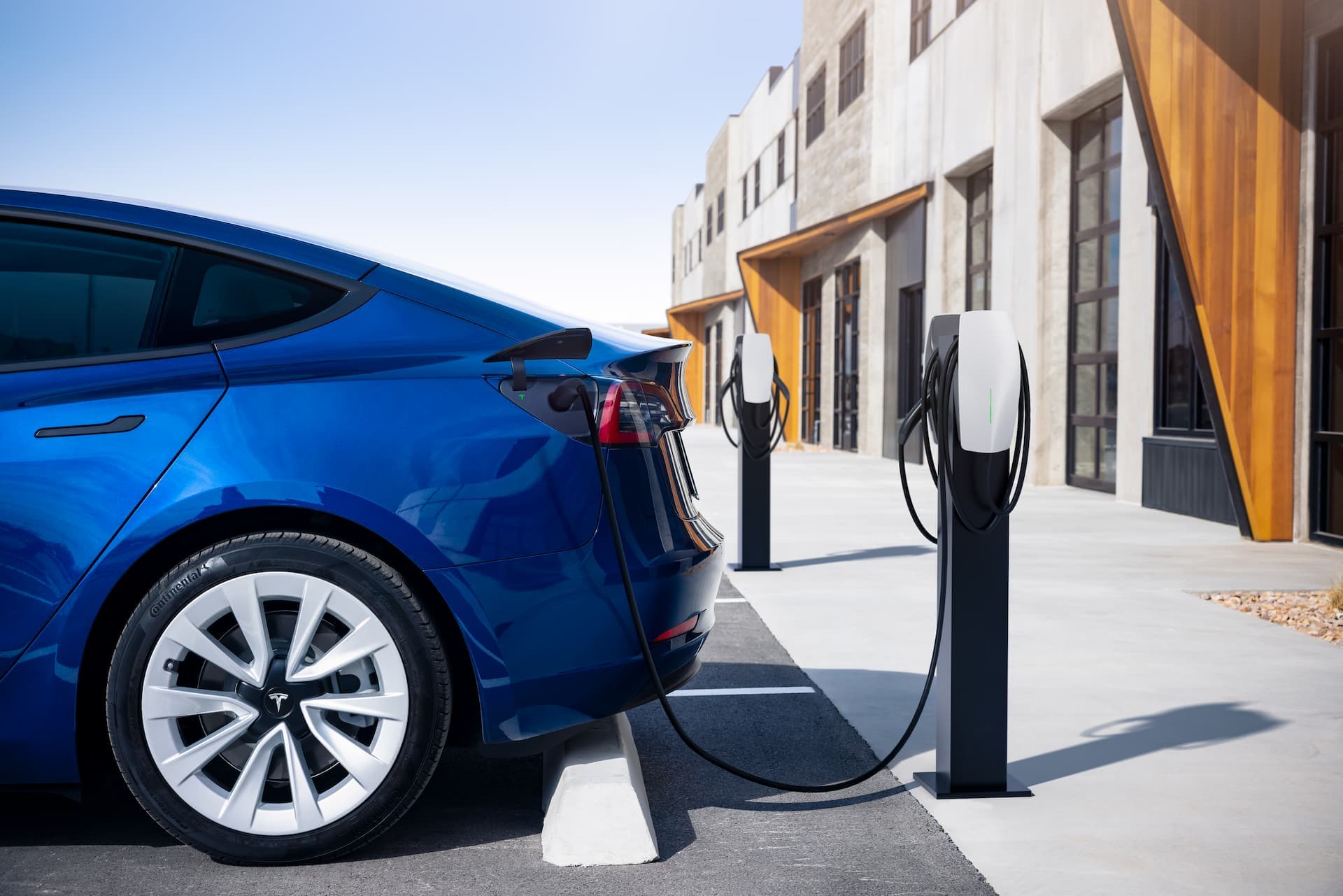
Nickel cobalt aluminium oxide (NCA) batteries are similar to NMC packs, with aluminium in place of manganese. NCA has mainly been associated with Tesla and Panasonic cells.
NCA has a high energy density, and swapping manganese for aluminium is intended to improve lifespan compared with NMC. But NCA packs still have a shorter cycle life than LFP, cost more than LFP, and need careful thermal management.
✅Pros
- High energy density (more range)
- Doesn't use manganese
❌Cons
- Still expensive
- Shorter cycle life than LFP
- Needs careful thermal management
Charging guidance differs by manufacturer and by battery type, so check the owner's manual for your exact car.
▶ MORE: Tesla Model 3 Charging Guide
LFP batteries
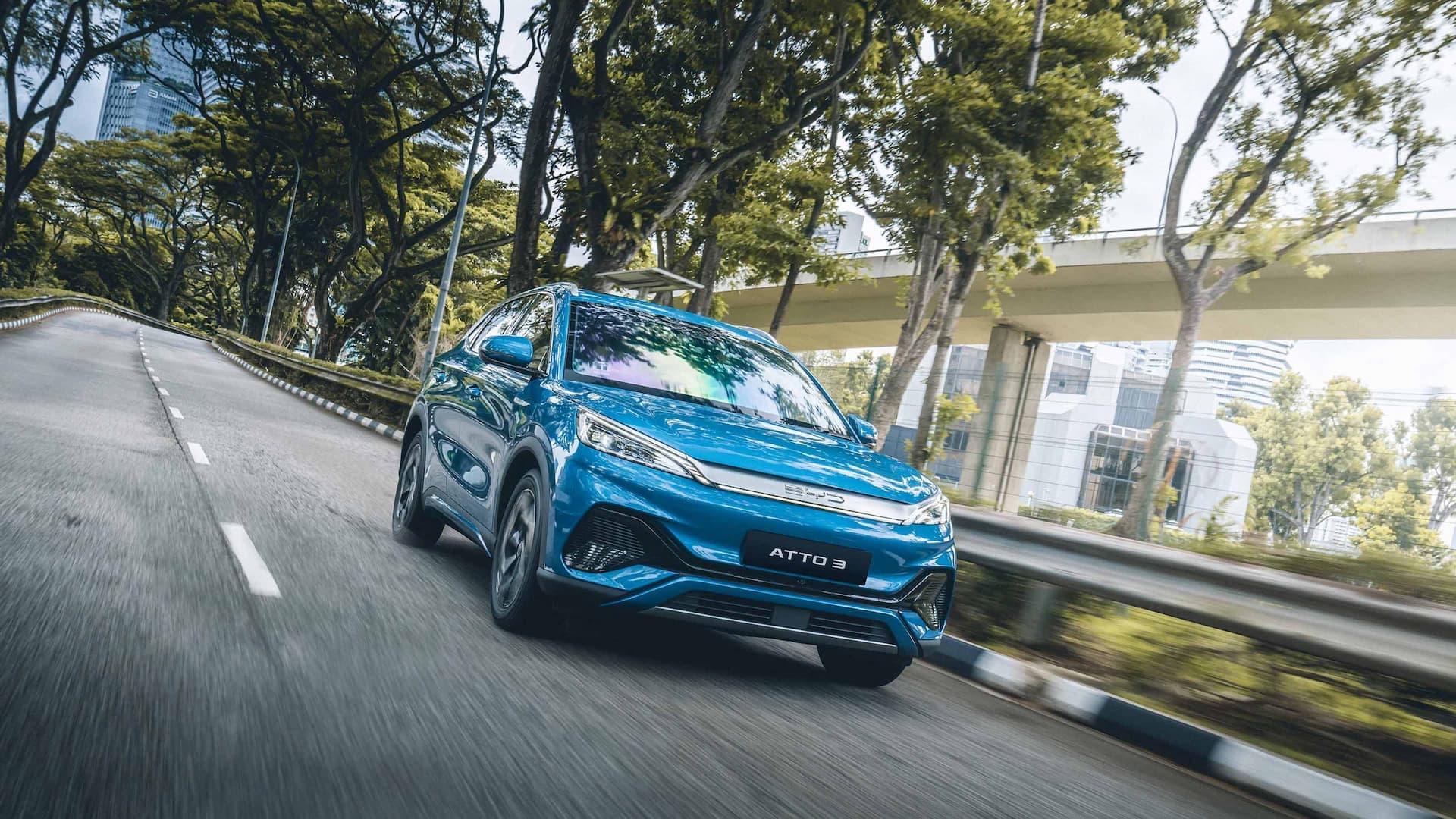
Lithium iron phosphate (LFP) batteries use iron phosphate in the cathode and contain no nickel or cobalt. That makes them cheaper to produce and removes the supply-chain and ethical concerns around cobalt. LFP is the chemistry behind many lower-priced EVs, which is why it is credited with lowering the upfront price of smaller and entry-level models.
LFP is also more robust and less susceptible to thermal runaway than NMC. A key advantage is its longer cycle life, which means fewer degradation concerns. LFP packs are capable of more than 3000 full recharge cycles, compared with around 1000 to 2000 for NMC.
✅Pros
- Longer cycle life, less thermal runaway risk
- Lowest cost of the three chemistries
- No nickel or cobalt
❌Cons
- Lower energy density (heavier pack for the same range)
- Weaker charging performance in the cold
- Still relies on lithium
Charging advice differs by manufacturer. Many brands say regular full charges are acceptable for LFP packs, and some recommend a lower cap, so follow the owner's manual for your car. In some cases an LFP car charged to 100 per cent can offer similar day-to-day usable driving range to an NMC or NCA car limited to 80 or 90 per cent.
Want to see which EVs use LFP? Our list of electric cars with LFP batteries covers the models available in Australia.
The same model can have a different battery
Chemistry usually follows the variant, not the badge. Tesla is the clearest example in Australia:
Tesla battery chemistry by variant (Australia)
Model | Variant | Chemistry |
Tesla Model Y | Rear-wheel drive (62.5 kWh) | LFP |
Tesla Model Y | Long Range (79 kWh) | NMC |
Tesla Model 3 | Long Range RWD (2026) | NMC |
Tesla Model 3 | Performance (2026) | NMC |
Always check the specification sheet for the exact variant before you buy. Our electric car database lists the battery details for each variant, and our LFP battery list covers the full set of LFP models.
Other battery developments
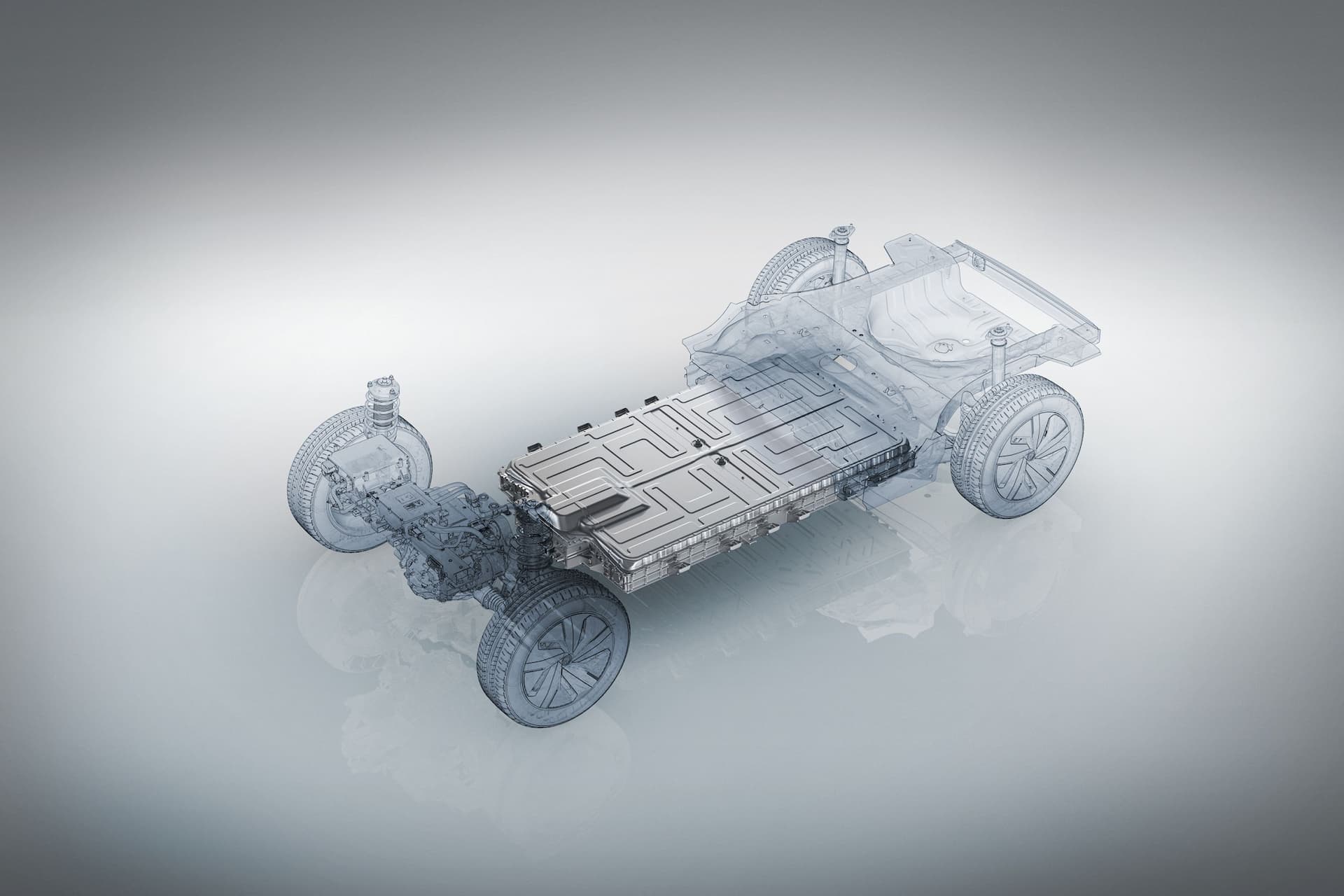
Blade Battery and Blade Battery 2.0
BYD's Blade Battery is a long, thin cell design stacked closely together to provide structural strength for the vehicle, instead of using box-shaped modules. In March 2026 BYD unveiled a second-generation Blade Battery with flash charging. BYD says it can charge from 10 to 70 per cent in five minutes and to 97 per cent in nine minutes on its 1,500 kW chargers in China. The first car in Europe to use it will be the Denza Z9GT, and BYD has not confirmed an Australian timeline. Read our full coverage of BYD Blade Battery 2.0 and flash charging.
Solid-state batteries
Solid-state batteries replace the liquid electrolyte with a solid one, which could mean more range, less weight and faster charging. They are still in testing and early development rather than mainstream production. See our coverage of BYD's solid-state battery testing and MG's semi-solid-state battery plans for Australia.
Sodium-ion batteries
Sodium-ion batteries swap lithium for sodium, which is far cheaper and more abundant, and use no lithium, cobalt or nickel. CATL's Naxtra sodium-ion cell reaches up to 175 Wh/kg, in the same range as mainstream LFP, and CATL says it performs well in extreme cold. In February 2026 CATL and Changan unveiled what they described as the first mass-production sodium-ion passenger car, with a market launch planned for mid-2026 and a claimed range of more than 400 km on the Chinese test cycle.
The trade-off is lower energy density than NMC, and there is limited long-term data on production cells. We have not seen a sodium-ion EV confirmed for Australia.
How long do EV batteries last?
Most EV batteries last longer than buyers expect, and chemistry is only one factor. Heat, fast-charging habits and how often you charge to the top all matter. Our guide to how long electric car batteries last covers warranties and real-world degradation, and our report on EVs retaining over 90 per cent battery health looks at the data.
EV Battery FAQs
Other Guides That Might Interest You 👇
🔋 How Long Do Electric Car Batteries Last?
📋 Electric Cars With LFP Batteries
📏 Electric Car Range: Everything You Need to Know

About the author

Danny is a consultant and entrepreneur working at the cutting edge of the electric vehicle and energy transition. He is passionate about educating and helping consumers make better decisions through data.
