Key Points
- Tesla has shown a Roadster with SpaceX thrusters and a suction system for upside-down driving stunts
- Three variants are planned, with the top Rocket version built for short flights and aerial manoeuvres
- Production is targeted for 2028, but Australian pricing, availability and key EV specs are unconfirmed
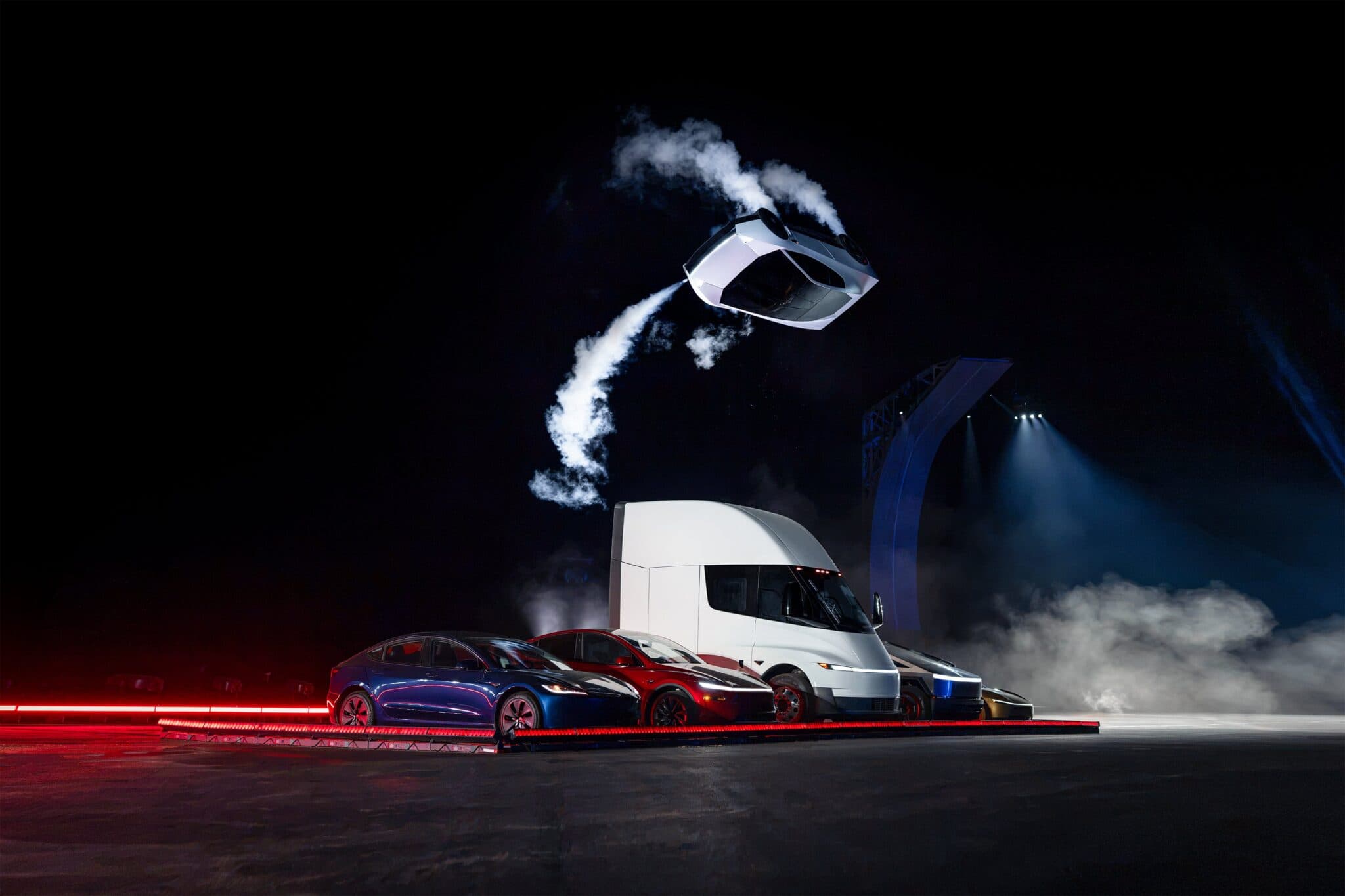
Tesla has finally given the world a closer look at its long delayed electric Roadster, and the latest demonstration is unlike anything normally seen at an EV launch. At an event in Texas, a remote controlled version of the sports car drove up a ramp, travelled upside down, flipped through the air and used SpaceX developed thrusters to turn itself upright before landing.
The spectacular display was designed to showcase the ambitions behind the second generation Tesla Roadster, first unveiled in 2017. Tesla now expects the car to enter production in 2028, with three versions planned, ranging from a road focused performance model to an invitation only variant capable of short flights and mid air manoeuvres.
The company is also making extraordinary performance claims, including a sub one second acceleration time for the more extreme versions. However, important details such as battery capacity, powertrain specifications and final pricing remain unconfirmed, and the production timeline has already slipped several times.

Tesla Roadster Takes Flight
The demonstration took place at a SpaceX testing facility in Texas, where Tesla chief executive Elon Musk presented the latest version of the electric sports car.
A white two door Roadster was shown climbing a steep, looping ramp before travelling upside down. Tesla attributed the stunt to a fan based suction system designed to hold the car against the surface by generating downforce. The system was said to produce forces of up to two times gravity during the demonstration.

The event then moved beyond conventional track driving. A remotely controlled Roadster was shown flipping through the air, firing its SpaceX sourced thrusters to rotate into the correct position before landing on all four wheels. Another stunt saw the car leap over Tesla vehicles, including the Cybertruck, Model Y, Model 3, Cybercab and Semi.
Musk described the Roadster as a car that could perform aerial manoeuvres, while presenting it as a showcase of what Tesla believes is possible with electric performance technology.
There is an important distinction between the demonstration and the car buyers may eventually receive. The footage showed a remote controlled model, and the most extreme aerial capabilities are reserved for the top specification Rocket version. Tesla has not yet demonstrated that these features are ready for production use in a road registered vehicle.

Three Versions, Wild Performance
Tesla plans to offer the new Roadster in three variants, each with a different balance of performance, technology and road usability.
Performance will serve as the entry point, although its expected price puts it firmly in high end sports car territory. It will feature active aerodynamics and a multi mode suction system designed to increase downforce on roads and race tracks.
Tesla claims this version can accelerate from zero to 100km/h in just over 1.6 seconds. Reservations are open with a US$50,000 deposit, while the expected starting price is US$250,000.


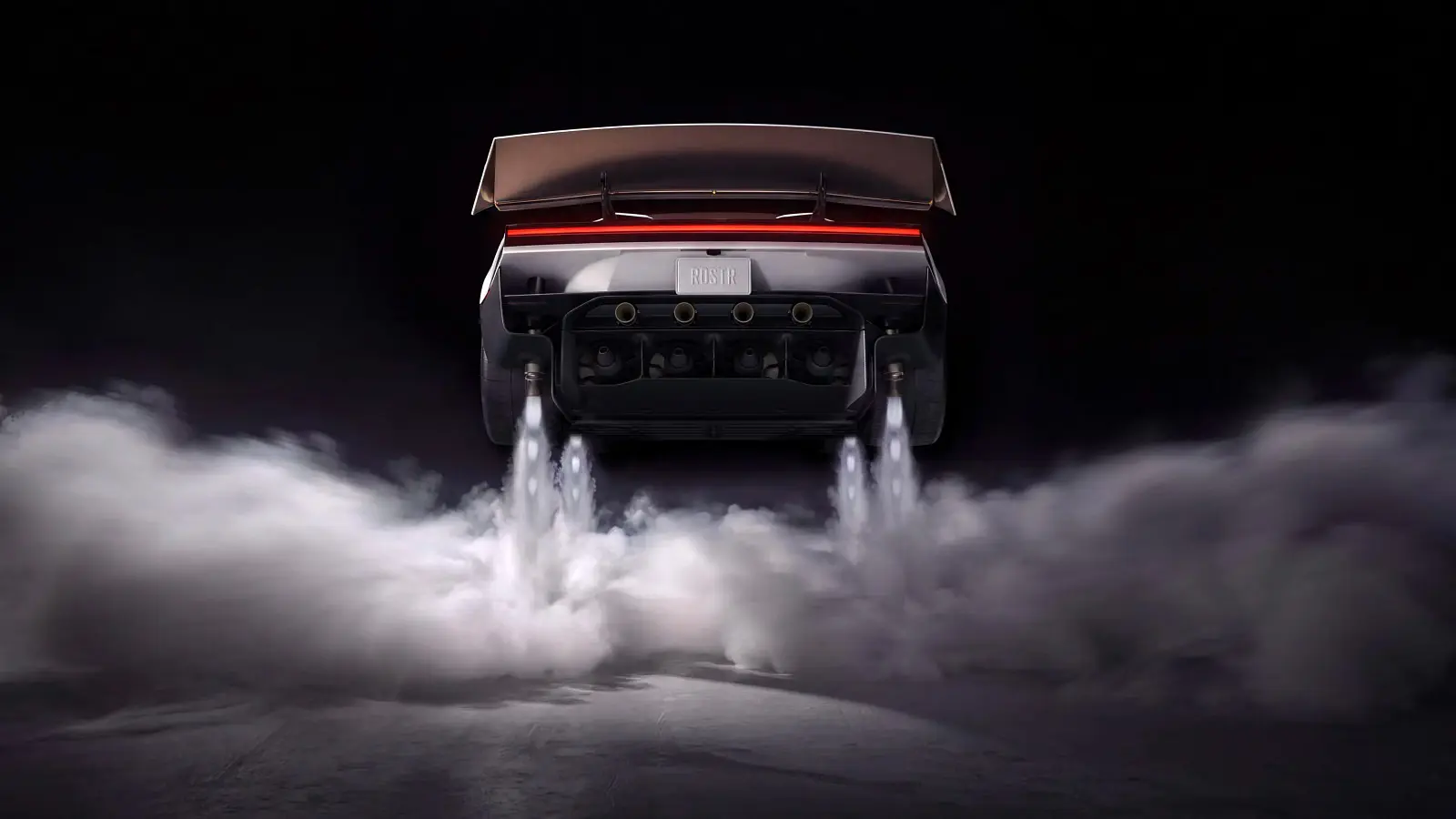
The Thrust variant takes things further by adding SpaceX developed cold gas thrusters mounted at the rear. These use high pressure air tanks to produce thrust, rather than relying on conventional rocket fuel. Tesla claims acceleration from zero to 60mph, or around 97km/h, in less than 0.9 seconds, with the zero to 100km/h sprint expected to take around one second.
At the top of the range sits the Rocket, which is designed around a more extensive thruster system. Tesla says it has 10 cold gas thrusters capable of producing forward, upward and rotational movement.

This version is intended to perform short flights and aerial manoeuvres, including mid air rotations. It is not intended for public road use and will reportedly be available only to buyers who receive a special invitation. Unlike the two seat road focused versions, the Rocket is described as a single seater.
The key differences are:
- Performance: Road focused sports car with active aerodynamics and suction based downforce technology.
- Thrust: Adds rear mounted cold gas thrusters and targets sub one second acceleration to 100km/h.
- Rocket: Features 10 thrusters for short flights and aerial manoeuvres, with invitation only access.
Tesla has yet to publish a complete set of production specifications for the three variants. The performance figures should therefore be treated as company claims rather than independently verified results from a production vehicle.
Design, Speed And Technology
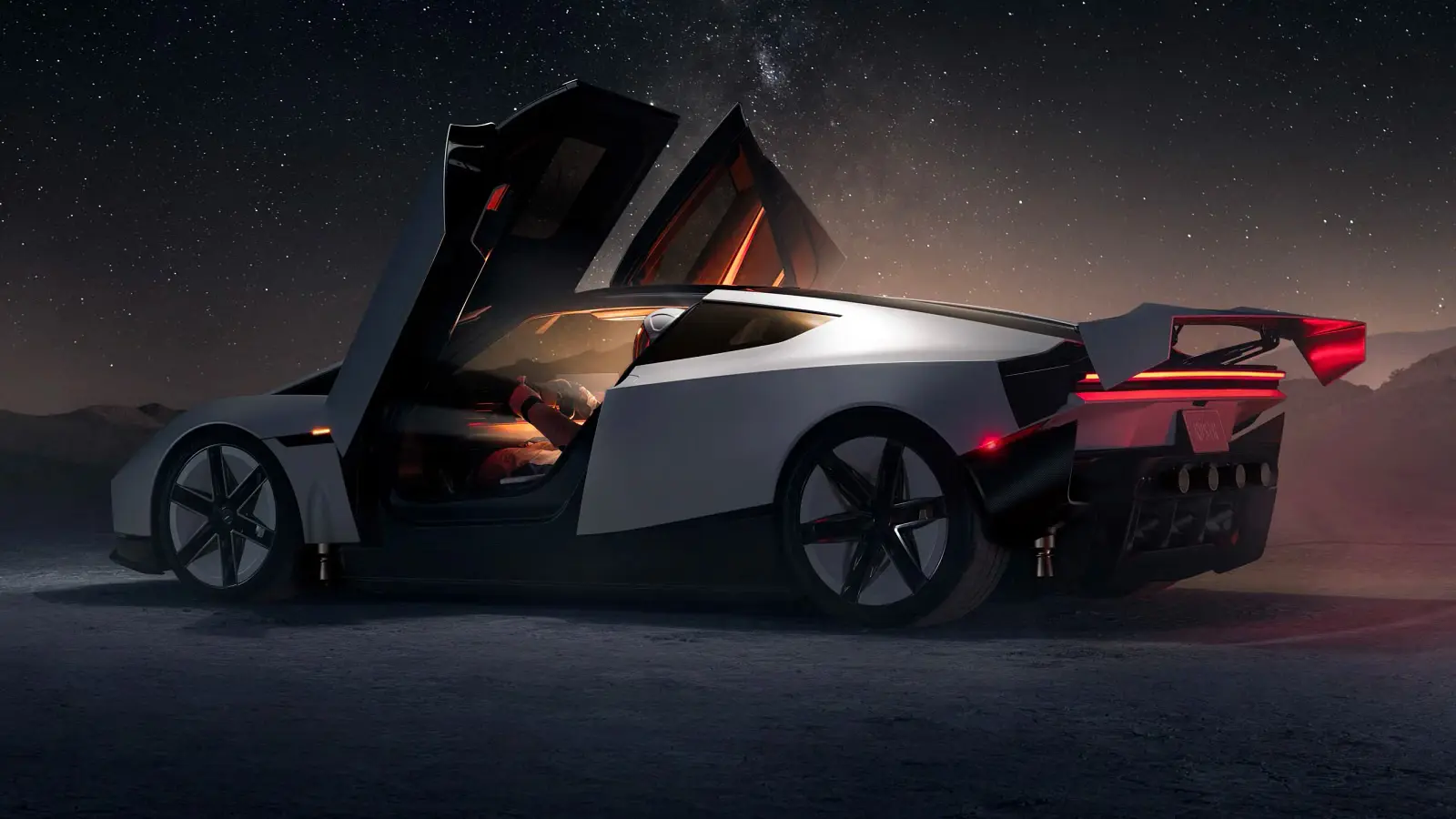
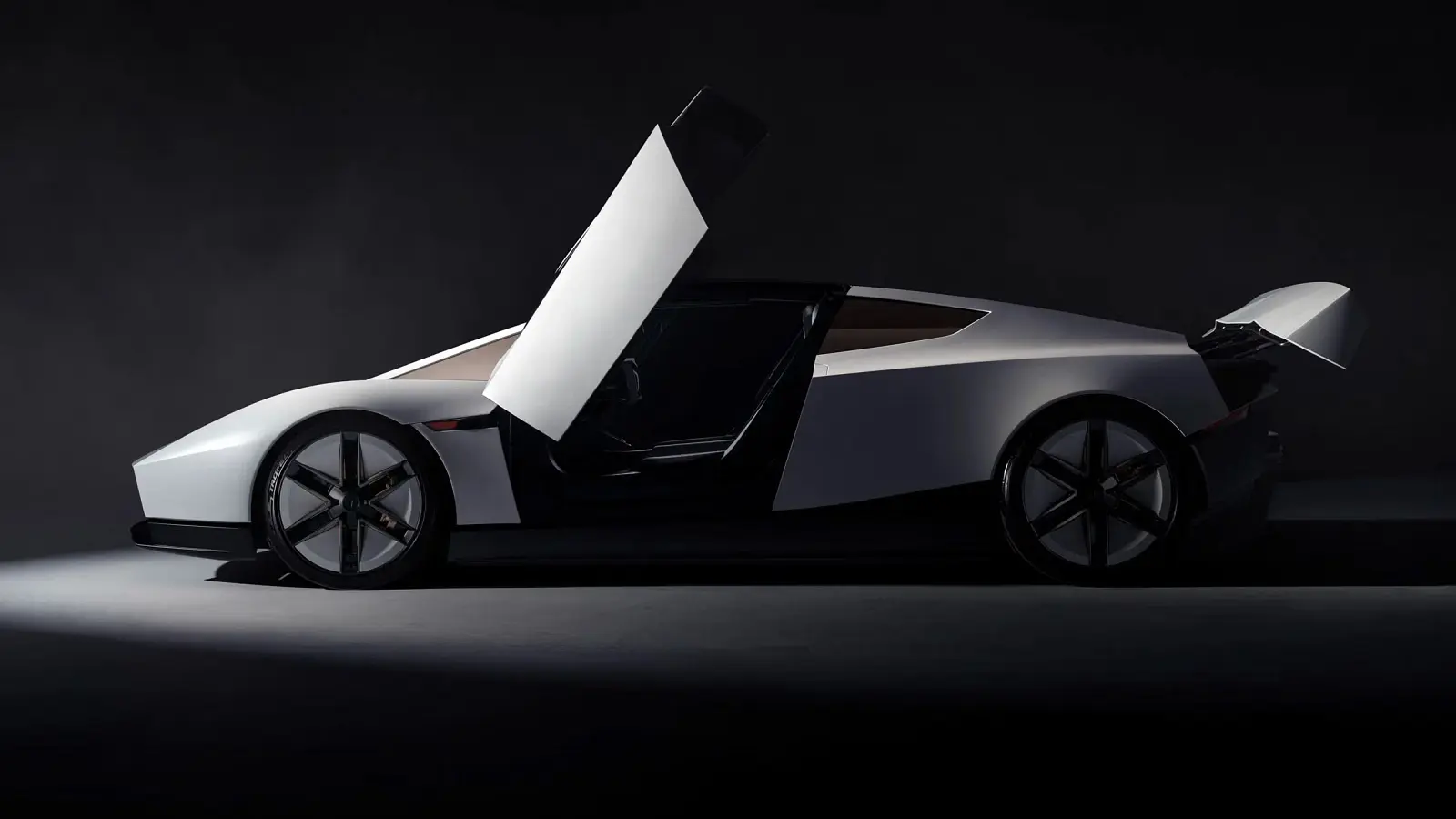
The second generation Roadster adopts a sharp, angular design that shares some of Tesla's newer styling cues with the Cybertruck. Its compact two door body is designed around two occupants in the road focused versions, with seats shaped to fit closely within the cabin.
Other notable design features include gullwing doors, a yoke style steering wheel and steer by wire controls, which use electronic signals rather than a conventional mechanical steering connection.
Performance is central to the Roadster's pitch. During the event, Tesla showed an acceleration run with a claimed zero to 60mph time of 0.8 seconds. Musk said the car needed to break the one second barrier, although the result shown during the demonstration does not establish how a production vehicle will perform under independently verified conditions.
Tesla has also targeted a top speed of 230mph, equivalent to around 370km/h. That would be an extraordinary figure for a production electric sports car, but it would still fall short of the 308.34mph, or 496.22km/h, record attributed to the BYD Yangwang U9 Xtreme in the supplied report.
Musk also raised the prospect of reaching halfway to the speed of sound, approximately 617.5km/h. That remains an ambition rather than a confirmed specification.

The thruster system is another major part of the car's technology package. Tesla says its cold gas boosters use pressurised air and are self charging, meaning they do not require a separate rocket fuel propellant. The Rocket variant is expected to use the system for its short flights and rotational manoeuvres, while the Thrust version uses it to improve acceleration.
Despite the extensive demonstration, several core EV specifications remain unknown:
- Battery capacity and chemistry
- Electric motor configuration and total power output
- Official driving range
- Charging speeds and charging time
- Final production specifications and pricing for the Thrust and Rocket variants
Tesla has not yet supplied enough information to assess the Roadster as a conventional electric vehicle on factors such as range, efficiency or charging performance.
Get a novated lease quote
A Nine Year Wait For Production
The Roadster's latest appearance comes nearly nine years after Tesla first unveiled the second generation model in 2017. Production was originally expected to begin in 2020, but the launch was repeatedly postponed as the company prioritised other vehicles and continued developing the project.
Tesla now says production is expected in 2028. If that timeline holds, the second generation Roadster will arrive around 11 years after its original unveiling.
The original Tesla Roadster began production in 2008, helping establish the company's early reputation for electric performance. The new model aims to take that idea considerably further, with extreme acceleration claims and technology that goes beyond the usual electric sports car formula.
Tesla's chief designer, Franz von Holzhausen, offered a glimpse of the company's ambitions in a podcast interview late last year, saying the Roadster would push the limits of physics and meet the performance standard set when the project was announced.
Reservations for the new model are open, with deliveries expected to begin in 2028 according to the company. The Performance version has an expected US starting price of US$250,000, while pricing for the other variants has not been confirmed.
Given the history of delays, the 2028 date remains a target rather than a guarantee. Tesla will need to turn the technology demonstrated at the event into a production vehicle and clarify which features can be delivered reliably and legally.
What This Means For Australia
For Australian enthusiasts, the Roadster is an intriguing prospect, but there is still a considerable gap between Tesla's dramatic demonstration and a confirmed local launch.
The company has not announced Australian pricing, delivery timing or a full local specification for the new generation model. The reported US pricing also cannot be directly converted into an Australian drive away price, which would depend on taxes, import costs, equipment and local compliance requirements.
▶️ Check Out Zecar’s Tesla EV hub page
The biggest question is how much of the technology shown at the event will make it into customer cars. The Performance and Thrust variants are presented as road focused models, while the Rocket's flight capabilities are restricted to an invitation only version that is not intended for public roads.
Australian buyers will also need clearer information about battery size, range, charging performance and local road approval before they can assess the Roadster as more than an extreme performance showcase.
For now, Tesla has delivered an attention grabbing demonstration and set a new production target. Whether the Roadster reaches customers in 2028, and whether its most ambitious features survive the transition from spectacle to production, will be the real test.
Add zecar as a preferred source on Google Search 🔍