Key Points
- Tesla launches vehicle-to-grid pilot using Cybertruck in Texas
- Tesla launches vehicle-to-grid pilot using Cybertruck in Texas
- Cybertruck battery rivals multiple home batteries in usable capacity
- Cybertruck battery rivals multiple home batteries in usable capacity
- Australia could benefit as regulations and grid integration mature
Tesla has finally taken a step many EV owners have been waiting for. The company has confirmed it will begin rolling out vehicle-to-grid capability, allowing its cars to send power back into the electricity network and earn owners credits in return.
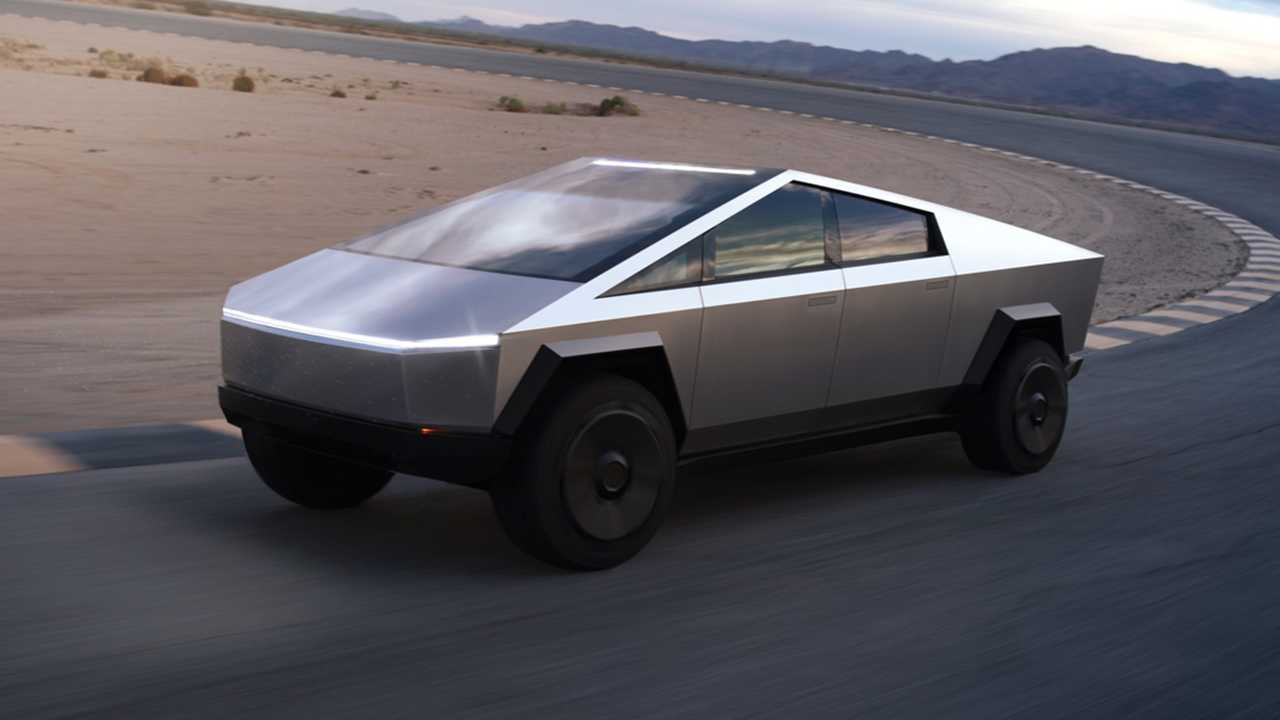
The initiative, called the Powershare Grid Support Program, will launch first in Texas using the Cybertruck, Tesla’s largest and most energy-dense electric vehicle. California is next, with further expansion expected once grid operators and regulators sign off.
For Tesla owners, this marks a shift in how the company views its vehicles. Not just transport, but grid-connected energy assets sitting in driveways.
▶️MORE:Bidirectional (V2H and V2G) EV Chargers Guide (2025)
What vehicle-to-grid actually does?
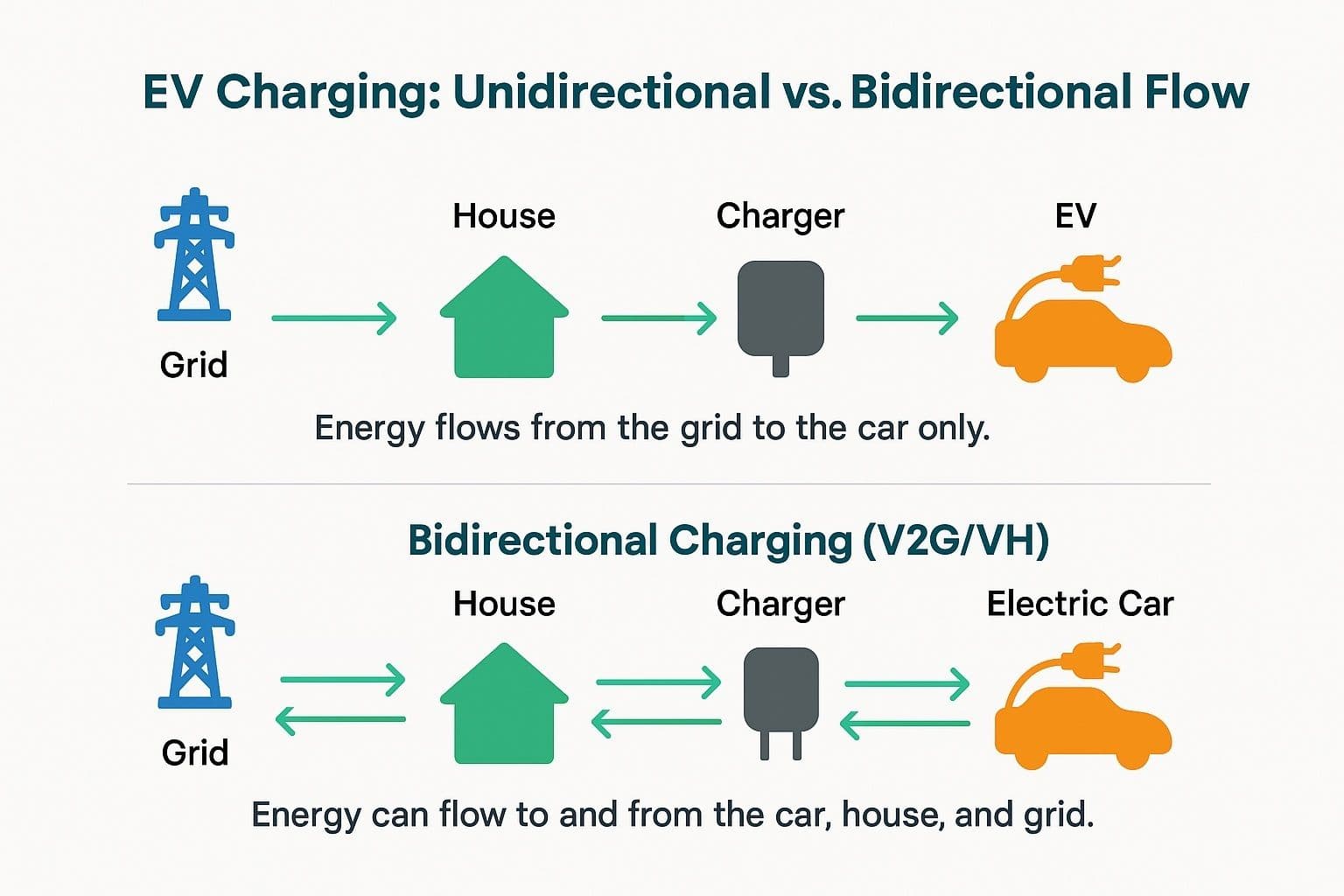
Vehicle-to-grid, or V2G, allows an electric vehicle to export electricity from its battery back to the power grid during periods of high demand.
In Tesla’s case, participating Cybertruck owners will be able to send energy back to the grid during specific demand events and receive credits on their electricity bills in return. Tesla says this helps stabilise the grid while rewarding owners for contributing stored energy that would otherwise sit unused.
Unlike basic vehicle-to-load systems that power tools or appliances directly, V2G interacts with the broader electricity network and requires coordination with utilities, smart metering and regulatory approval.
Tesla’s explanation is simple. When the grid needs support, your car helps out. You get paid. Everyone benefits.
▶️MORE: When is V2G Really Coming to Australia?
Why the Cybertruck is the test case
The Cybertruck is uniquely suited to be Tesla’s V2G guinea pig.
It was the first Tesla to ship with high-capacity vehicle-to-load hardware as standard, capable of delivering up to 11.5 kW of power from its massive 123 kWh battery. That is close to the usable capacity of around ten Powerwall 3 home batteries combined.
Tesla has already showcased what this hardware can do, from powering worksites and tools to running full event setups with lighting, refrigeration and audiovisual equipment. Welding demonstrations and festival-scale power loads have featured prominently in Tesla’s own marketing.
With that foundation already in place, enabling grid export is more a software and regulatory challenge than a hardware one.
Tesla has hinted that other models equipped with similar electrical architecture, including the Model Y Performance in the US, could eventually be added to the program.
▶️MORE: Tesla Model 3 Bidirectional Charging (V2G and V2H)
▶️MORE: Tesla Model Y Bidirectional Charging
What this means for Australia?
For Australian EV buyers, Tesla’s move is significant, even if local access is still some way off.
V2G has been a hot topic here for years, particularly as rooftop solar penetration climbs and grid stability becomes more complex. While several pilot programs exist, factory-enabled V2G vehicles remain rare, largely due to regulatory hurdles and standards alignment.
Tesla entering the space changes the conversation. With its scale, energy division and existing Powerwall ecosystem, the company is well placed to push utilities and regulators toward broader adoption.
🔌 Everything You need To Know About Smart EV Charging
If Tesla brings Powershare to right-hand-drive markets, it could accelerate:
- Acceptance of EVs as household energy assets
- Smarter use of excess solar generation
- Reduced peak demand pressure on the grid
- New revenue streams for EV owners
Australia’s high solar uptake and growing EV fleet make it an ideal long-term candidate. The missing piece is policy alignment.
When could V2G arrive locally
Tesla has not confirmed timelines outside North America, but its playbook is familiar. Start small, prove reliability, then expand.
California’s inclusion is telling. Once V2G is proven in complex, high-demand grids, it becomes easier to justify expansion into other energy markets.
Australia is unlikely to be first, but it is unlikely to be ignored either.
As EV batteries continue to grow and sit idle for most of the day, the logic becomes harder to resist.
