
Key Points
- A novated lease lets eligible employees pay for an EV through pre-tax salary, cutting income tax and avoiding GST on the vehicle and its running costs.
- Under the Federal Government's Electric Car Discount, buyers could save upwards of $40,000 in tax over a five-year lease, with some models like the Audi Q4 e-tron or BMW iX1 closer to $50,000.
- The full FBT exemption applies to eligible EVs priced below $91,387 until March 2027. From April 2027, the full exemption drops to EVs priced at $75,000 and under, with a partial 25% discount above that.
Recent industry data shows battery electric vehicles now account for around one in four new vehicle sales in Australia, a significant milestone that reflects growing confidence in EV ownership.
Yet despite growing adoption, the initial purchase price remains one of the biggest barriers for many Australians.
If you've looked at an electric vehicle recently and ruled it out on price, you're not alone. Compared with a petrol or diesel equivalent, the upfront costs can seem out of reach. But what many drivers don't realise is that the way you pay for an EV can make a meaningful difference to affordability.
That's where novated leasing comes in.
For eligible employees, a novated lease can be one of the most cost-effective ways to get behind the wheel of an EV, particularly while the Federal Government's Electric Car Discount remains in place.
What exactly is a novated lease?
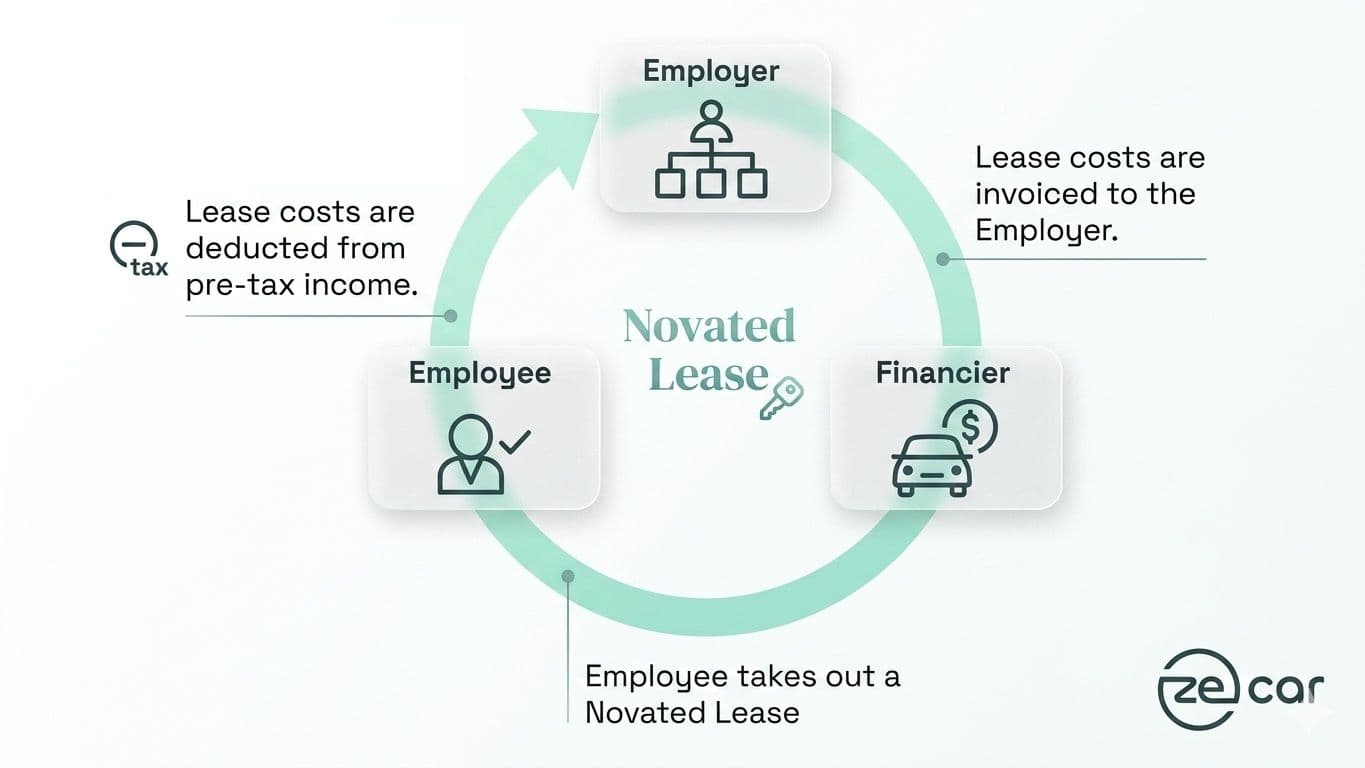
Put simply, a novated lease is an arrangement between you, your employer and a leasing provider that lets you pay for a vehicle through your salary.
Instead of paying for everything out of your take-home pay, repayments and running costs are deducted before tax. That means you pay less income tax, and you don't pay GST on the vehicle or its running costs.
For many drivers, it also makes budgeting easier. Rather than managing multiple bills throughout the year, vehicle-related expenses can sit together in one regular repayment.

How do the numbers stack up with a novated lease?
While novated leasing has been around for many years, the Federal Government's Electric Car Discount has made it particularly attractive for eligible EV buyers.
Under the current policy, eligible battery electric vehicles accessed through a novated lease are exempt from fringe benefits tax (FBT). FBT is the tax that would otherwise partially offset your salary sacrifice savings. Without it in the picture, every dollar of your car's finance and running costs, including insurance, registration, tyres and servicing, comes entirely out of your pre-tax salary. That's a tax advantage that simply doesn't exist for petrol or diesel cars.
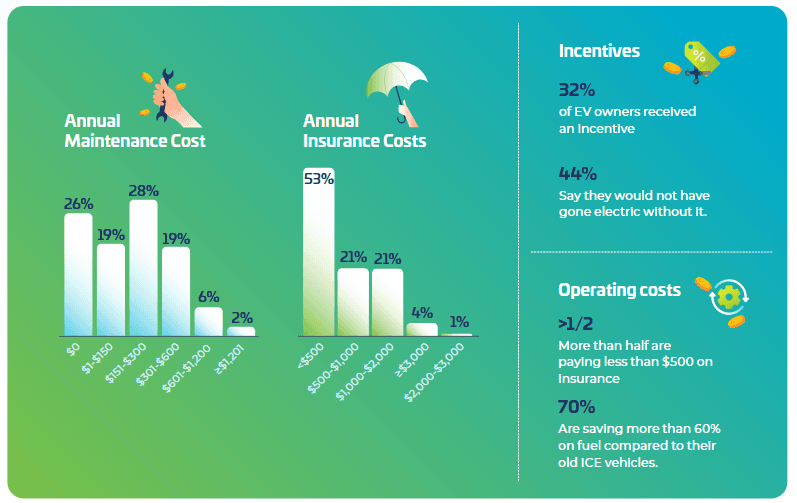
The real-world savings are significant. Depending on your income and the vehicle you choose, you could save upwards of $40,000 in tax^ over a five-year lease term. Some models, like the Audi Q4 e-tron or BMW iX1, come in closer to $50,000^ in savings over the same period. Add in running costs of roughly 31% of what a petrol or diesel equivalent costs to "fuel", plus fewer moving parts, less servicing, no oil changes, and the cost advantage widens further.


An update on the Electric Car Discount
The Electric Car Discount has been under review, and the Government recently confirmed it's here to stay, with some changes phased in from 2027. Until March 2027, eligible EVs priced below the luxury car tax threshold of $91,387 continue to receive the full FBT exemption. From April 2027, the full exemption will apply to EVs priced at $75,000 and under, with EVs above that (but below the luxury car tax threshold) receiving a partial 25% FBT discount instead.
What that means in practice is simple. If you're considering novating an EV, the window for the most generous version of this incentive is open now and won't be forever.

What novating an EV actually involves
The process is simple. You choose your vehicle, and your leasing provider sets up the arrangement with your employer. Your repayments, along with a budget for your running costs, are then deducted from your gross salary each fortnight before tax is calculated, so you have regular repayments that cover everything.
Eligible EVs are battery electric vehicles priced below the luxury car tax threshold. The current market has a solid range of options across SUVs, sedans and hatches from brands like BYD, Polestar, Kia, Tesla, Hyundai, BMW and Audi, to name a few.
You may save further again if you live in certain areas. Several state and territory governments still offer additional EV incentives, from stamp duty exemptions to registration discounts, on top of the federal benefit, further improving affordability.
Why the purchase price doesn't tell the whole story
When most people calculate whether they can afford an EV, they look at the drive-away price and stop there. A novated lease changes the maths entirely. Instead of asking whether you can afford the car outright, consider what it costs you week to week, after tax, after GST savings, after lower fuel and maintenance costs. Viewed that way, an EV accessed through a novated lease often comes in cheaper than a petrol or diesel car bought the conventional way.
Before you rule out an EV
If you're eligible for novated leasing through your employer, it's worth taking a closer look before ruling an EV out. You may find it's more achievable than you think.
A novated lease calculator can be a great place to start, helping you compare costs and better understand potential savings based on your circumstances.
Speaking with a novated leasing specialist like SG Fleet can help cut through the noise and show how the numbers stack up in real life, not just on paper.
This article was produced in collaboration with SG Fleet.
Disclaimer
^Estimated income tax and GST savings over a 5-year novated lease term (unless otherwise stated), compared to a non-packaged personal finance arrangement. Assumptions used to calculate potential savings available upon request.
Comparison based on 2025-26 income tax rates. The examples are provided for your information and to illustrate scenarios. The results should not be taken as a substitute for independent professional taxation and financial advice. For the purposes of this example, we have not taken into account the impact of salary sacrificing gross salary for fringe benefits on the calculation of your superannuation guarantee contributions. This calculation also does not take into account the impact of any tax offset to which you may be entitled. All reasonable care has been taken in preparing these materials; however, SG Fleet Group provides no warranties and makes no representation that the information provided is appropriate for your particular circumstances or indicates you should follow a particular course of action.
