Key Points
- Porsche's wireless charging system can deliver up to 11kW at around 90% efficiency
- Drivers can charge by simply parking the Cayenne Electric over the charging pad
- Global rollout planned, Australian availability remains unconfirmed
Porsche has quietly introduced wireless charging for its electric vehicles, allowing drivers to charge simply by parking over a dedicated ground pad. The system can deliver up to 11kW and is designed to make everyday EV charging easier by removing the need to plug and unplug a charging cable.
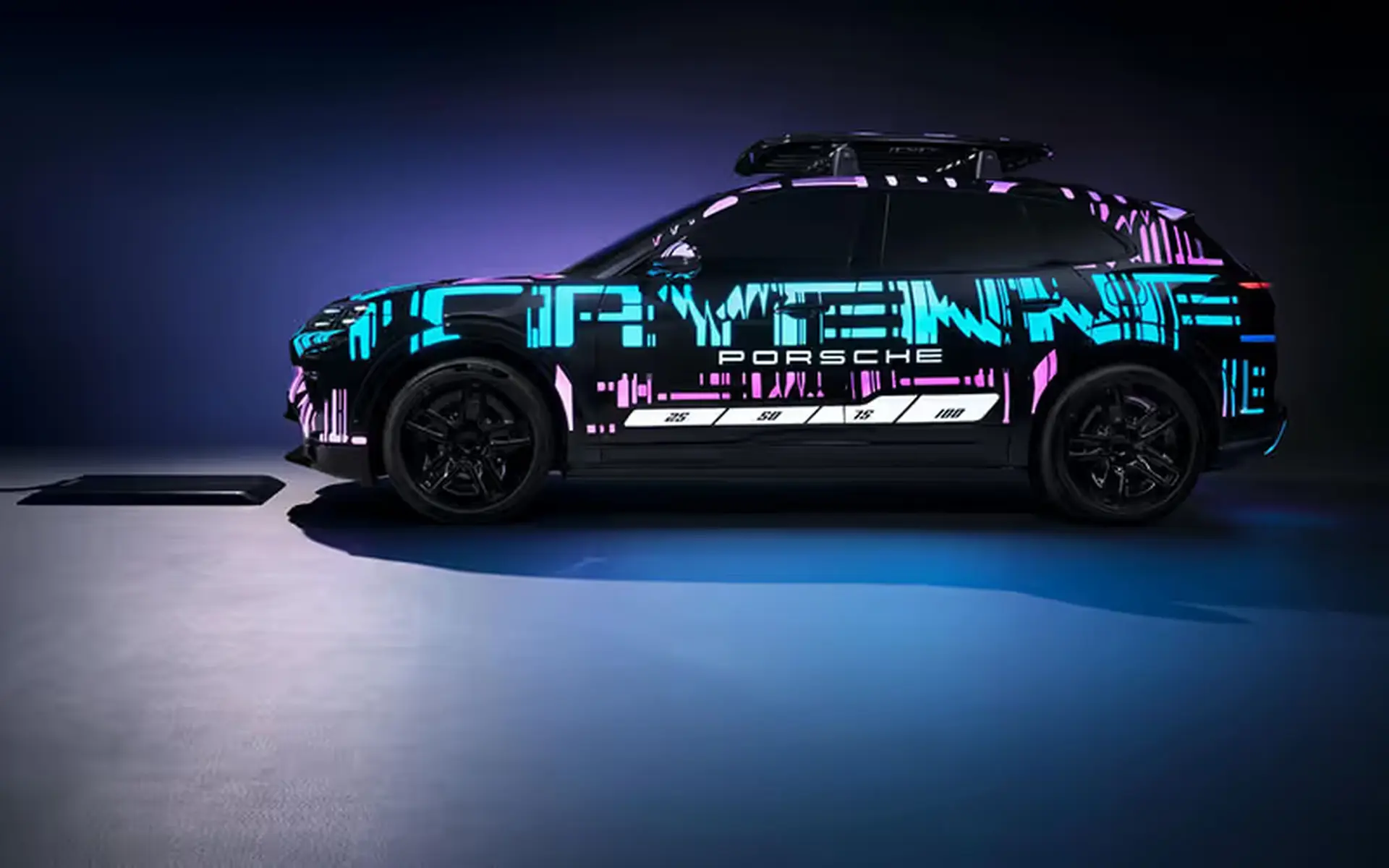
The technology is being introduced with the Cayenne Electric, with Porsche initially making it available in Germany and other European markets before a staged global rollout.

What is wireless EV charging?
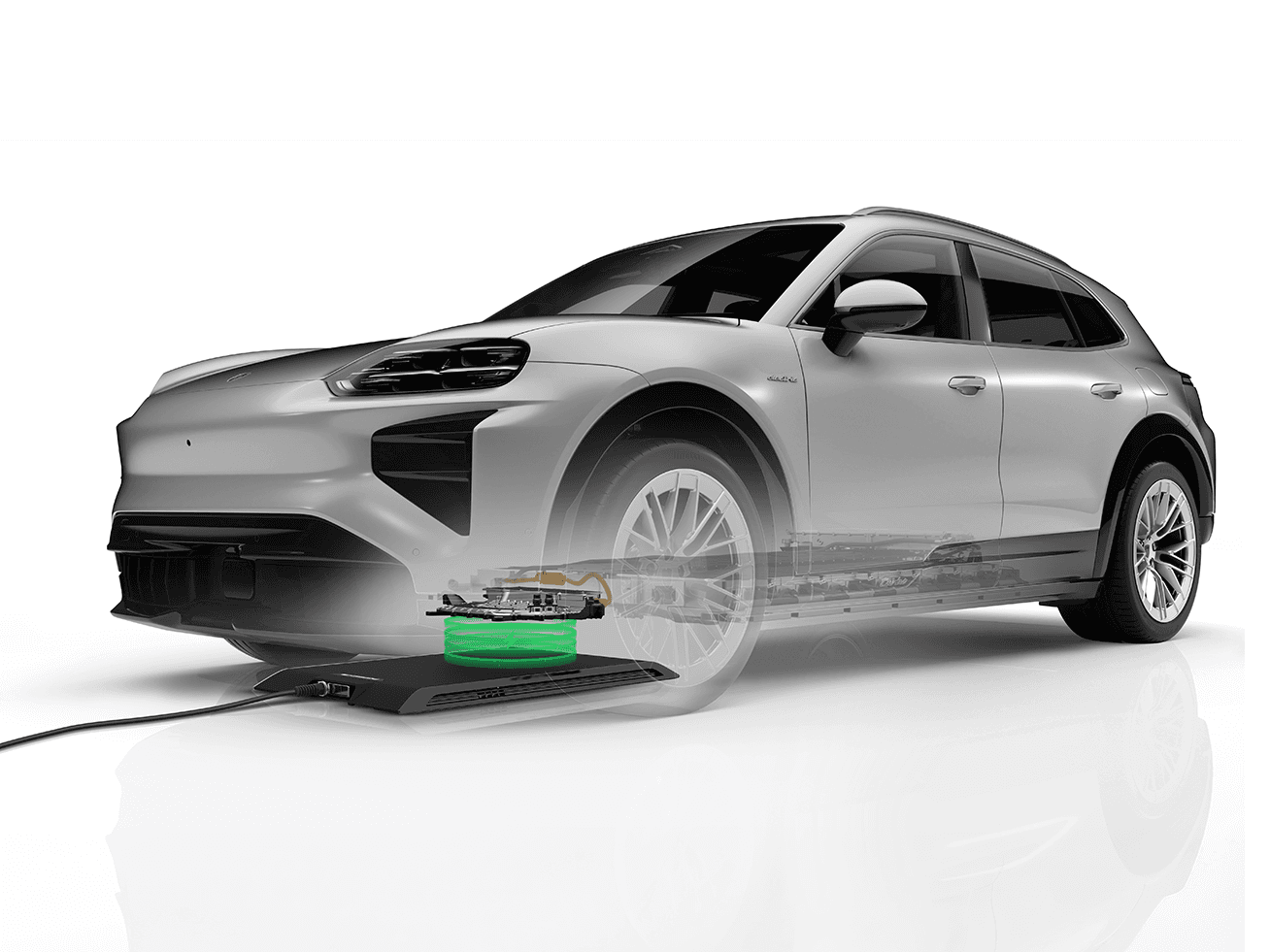
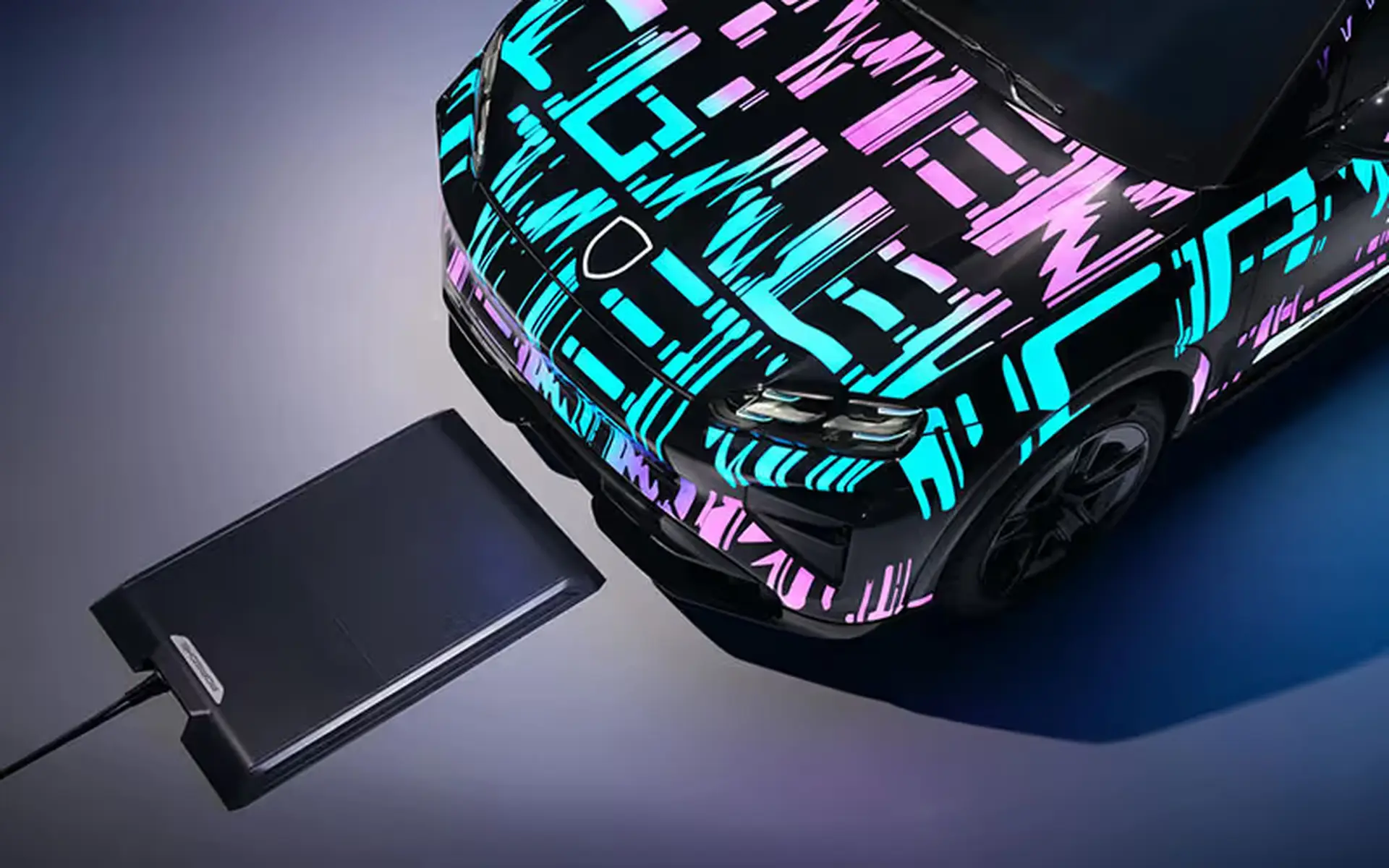
Wireless EV charging, also known as inductive charging, transfers electricity between a charging pad installed on the ground and a corresponding pad fitted to the vehicle. It is the same technology used to charge your phone wirelessly.
Instead of connecting a cable to the car, drivers simply park over the ground pad. Once the vehicle is correctly positioned, charging can begin automatically.
Porsche describes the system as a more convenient form of charging aimed at simplifying everyday EV ownership.
Wireless charging could also open up different possibilities for where electric vehicles are charged. While most home charging currently relies on a wall mounted charger and cable, an inductive system could be integrated into dedicated parking spaces.
The technology has also been discussed as a potential option for commercial fleets, where vehicles regularly return to the same parking location.

How Porsche's system works
Porsche's system uses three main components: hardware installed on the Cayenne Electric, a charging pad fitted to the vehicle and a ground pad installed in the parking space.
The ground pad is weatherproof, meaning it can be installed outdoors as well as in a garage.
Once the Cayenne Electric is positioned over the pad, the system can transfer electricity at up to 11kW, which is comparable with the charging rate offered by many home AC wall chargers.
Porsche says the system operates at around 90% efficiency.
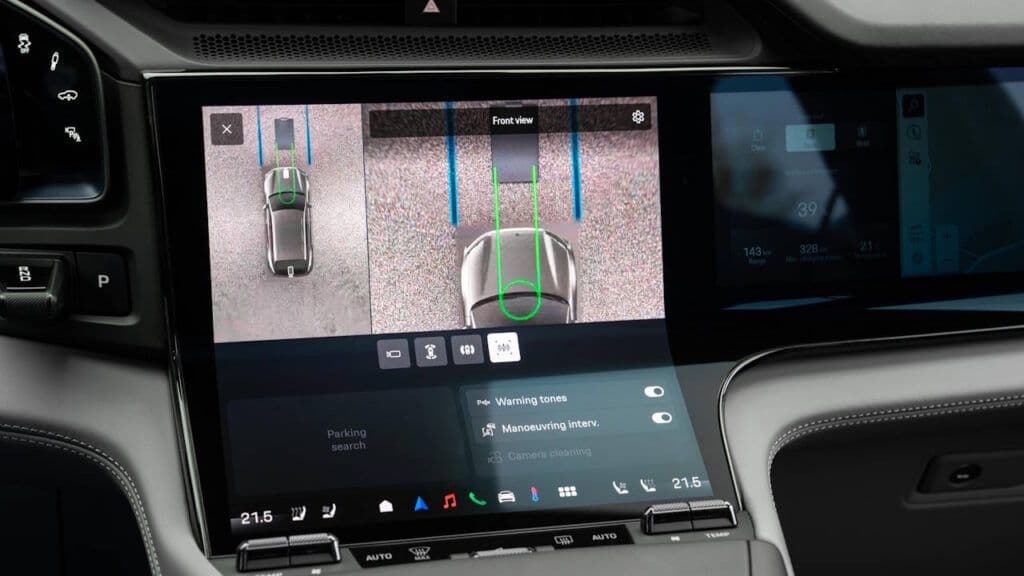
The My Porsche app can be used to manage charging, while the Cayenne Electric's Surround View system includes a function designed to help the driver position the vehicle correctly over the charging pad.
Once parked over the pad, the Cayenne Electric can also automatically lower itself into position.

Safety features built into charging
Wireless charging might sound more complicated than plugging in a cable, but Porsche has built several safety systems into the technology.
The system uses motion sensors and foreign object detection to monitor the area around the charging equipment.
If a person or animal approaches the vehicle or ground pad, charging can automatically stop. The system can also detect metallic objects sitting on the ground pad, preventing them from heating up during charging.
The ground pad itself weighs around 50kg and requires professional installation. Once installed, however, it remains in place and does not need to be moved for everyday use.
Porsche says the pad is designed to withstand being driven over, although doing so is not recommended.

What this means for Australia
Porsche has not provided a specific Australian launch date for its wireless charging system, but the company says it plans to introduce the technology globally in stages wherever Porsche Connect is available.
For Australian EV owners, the technology could eventually offer another option for home charging, particularly for drivers with dedicated parking spaces who want to avoid handling a charging cable every day.
The bigger potential could be in places where vehicles repeatedly park in the same location. Commercial fleets, apartment developments and other dedicated parking facilities could potentially benefit from charging that starts simply by positioning a vehicle over a pad.
For now, Porsche is starting with the Cayenne Electric, but the technology could eventually become available across more of its electric range. The company has not yet confirmed when wireless charging will arrive for the Macan Electric or Taycan.

