

Key Points
- NSW Parliament passed the Strata Schemes Legislation Amendment (Miscellaneous) Bill 2025 on 15 October 2026, creating a right for apartment owners to install an EV charging station on their lot.
- A strata committee has three months to respond to an installation notice and is taken to have no objection if it stays silent.
- No commencement date has been confirmed, and in the version passed by the Assembly the EV charging sections start by proclamation, not on assent.
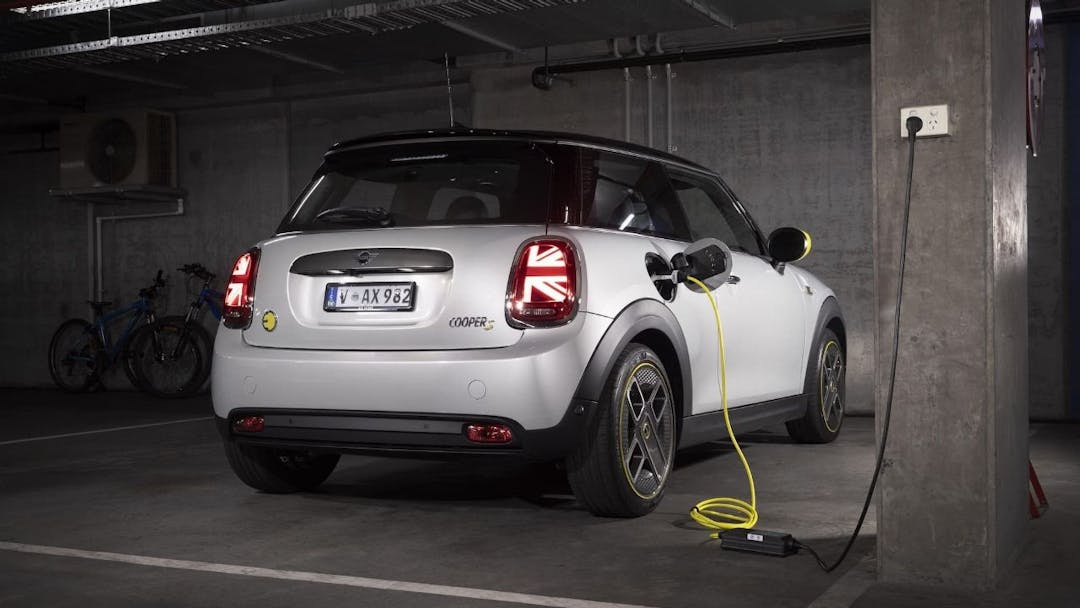
The NSW Parliament passed the Strata Schemes Legislation Amendment (Miscellaneous) Bill 2025 on Thursday 15 October 2026, according to the NSW Government. The bill includes the right to charge, which gives apartment owners the right to install an EV charging station on their lot without facing an unreasonable objection from the strata committee.
Sections 132D and 132E of the Strata Schemes Management Act 2015 set out how the right will work. This follows our April report, when the bill had passed the Legislative Assembly and was waiting in the Legislative Council. No commencement date has been confirmed.
What the right to charge does
Under the new section 132D, an owner can install an EV charging station on their own lot, whether or not the work also needs changes to the common property. The section applies despite other provisions of the Act.
Sections 108 to 110 of the Act, which cover major, cosmetic and minor work by owners, do not apply to work done under the new right. A by-law that unreasonably prohibits a charging station on an owner's lot will have no force or effect.
Anoulack Chanthivong, the NSW Minister for Better Regulation and Fair Trading, said the Government has overhauled strata laws over the past three years to build confidence in apartment living as more people move into higher-density housing. The Government describes the bill as its fourth strata reform package, covering the 1.2 million people who live in apartments and duplexes across NSW.

How the approval process works
An owner starts by giving the strata committee an installation notice. The committee then has three months to reply. The table below sets out each step as written in the bill.
How the Right to Charge Approval Process Works
Step | What the bill says |
Owner gives an installation notice | Written notice of intent to install, plus any information or documents the regulations require |
Committee responds | Must give a no-objection notice, or a written objection with reasons, within three months |
Committee does not respond | Taken to have given a no-objection notice |
Committee objects | Must not object unreasonably, and must give its reasons in writing |
Owner disputes the objection | Can apply to the NSW Civil and Administrative Tribunal (NCAT), which can order a no-objection notice if the objection was unreasonable |
Owner installs | Can go ahead once a no-objection notice is received or taken to have been given |
The regulations can set a longer response period in prescribed circumstances. They can also set out what counts as a reasonable or unreasonable objection.
Who pays for the charger
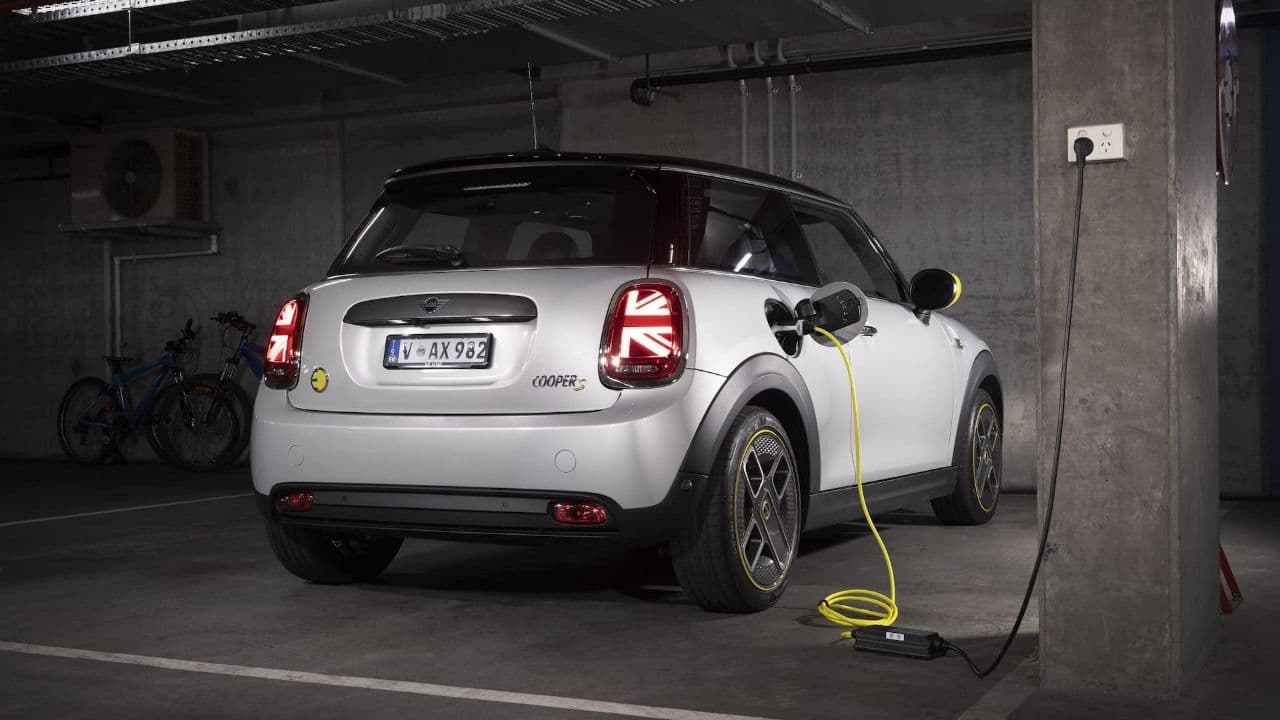
Under section 132E, the owner pays the cost of installing the charging station. This is subject to the regulations.
The owner must also indemnify the owners corporation for the reasonable costs of maintaining and operating the charging station. The same applies to making good any damage to common property caused by the installation or operation of the station.
When does the law start?
No commencement date has been announced. The bill as passed by the Legislative Assembly lists the provisions that start on the date of assent. The EV charging sections are not on that list. They start on a day appointed by proclamation, which means the NSW Government will set the date. We will update this article when a date is confirmed.
The regulations will also shape how the right works in practice. The bill defines an EV charging station as one of a kind prescribed by the regulations. It is not yet confirmed whether a simple power socket in a car space will qualify, or only a dedicated wall charger.

What it means for apartment owners
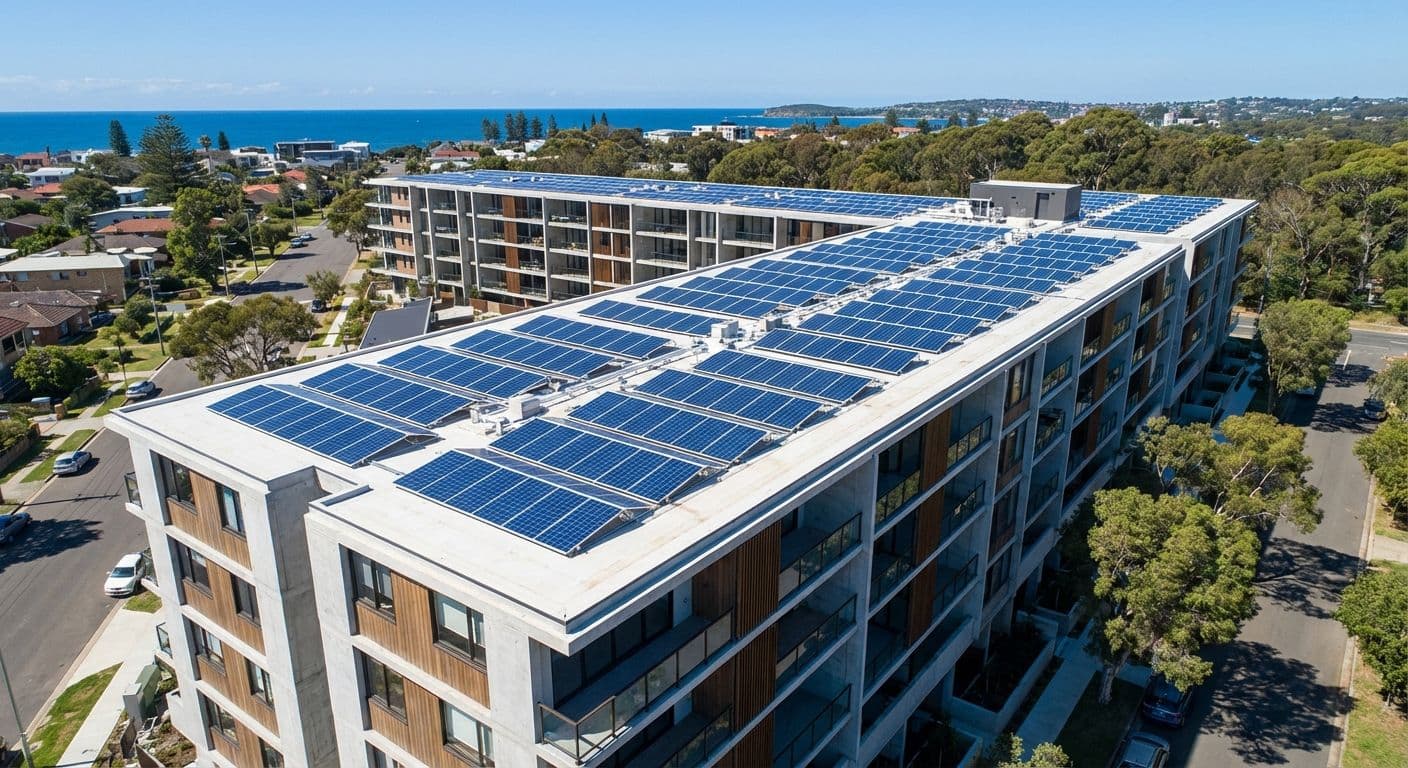
Apartment owners in NSW now have two routes to charging. EV charging on common property is already classed as sustainability infrastructure, which can pass by a simple majority vote at a general meeting. The new right to charge covers a charging station on an owner's own lot, and the strata committee decides it instead of a general meeting vote.
The table below compares the approval process for a charger in a strata building before and after the right to charge.
Strata EV Charger Approval: Before and After the Right to Charge
Step | Before the right to charge | Under the right to charge |
Who decides | Owners, through a vote at a general meeting | The strata committee, after an installation notice from the owner |
Approval needed | A simple majority of votes cast, after earlier reforms cut the threshold from a 75 per cent special resolution | A no-objection notice from the committee, which is taken to be given if the committee does not respond |
Time limit | No set deadline for a decision, and the process often took months | Three months from the committee receiving the notice, unless the regulations set a longer period |
If the answer is no | Committees could refuse without giving clear reasons | The committee must give written reasons and must not object unreasonably, and the owner can apply to NCAT |
Building by-laws | By-laws could not block sustainability infrastructure on appearance grounds alone, but other restrictions could apply | A by-law has no force or effect to the extent it unreasonably prohibits a charging station on an owner's lot |
Rules for owner work | Owner work rules in sections 108 to 110 of the Act could apply | Sections 108 to 110 do not apply to work done under the new right |
Owners cannot lodge a notice until the sections commence. They will also need a qualified electrician to do the work, and can find EV charger installers through Zecar.
Other changes in the bill
The bill covers more than EV charging. According to the NSW Government, two-lot schemes such as duplexes, which make up more than 30 per cent of strata schemes, will no longer need to form committees, hold meetings or submit annual reports to NSW Fair Trading. Bonds and fees charged by owners corporations, such as for access keys or swipe cards, must be reasonable.
NSW Fair Trading will also be able to publish compliance action taken against owners corporations. NCAT can order the termination of a building management agreement if a building manager breaches its duties, including by failing to disclose commissions.
Sources: NSW Government media release (16 October 2026) and the NSW Parliament bill page.


About the author

Danny is a consultant and entrepreneur working at the cutting edge of the electric vehicle and energy transition. He is passionate about educating and helping consumers make better decisions through data.
