
Key Points
- NSW's proposed Right to Charge law would let apartment owners install EV chargers without needing a strata vote.
- The bill has passed the lower house and is now before the NSW Legislative Council.
- Owners pay all installation and maintenance costs, and must cover any damage to common property.
If you own an EV and live in an apartment in NSW, charging at home has long been a problem. Strata committees can block or delay charger installations. A new bill aims to change that.
The Strata Schemes Legislation Amendment (Miscellaneous) Bill 2026 has passed the NSW Legislative Assembly (lower house). It is now before the Legislative Council (upper house). If it passes, apartment owners will have a legal right to install an EV charging station on their lot.
What Is the Right to Charge?
Sections 132D and 132E of the bill create a new right for strata lot owners. Under these rules, an owner can install an EV charging station on their lot. This includes a simple 10A power socket, not just a full 7 kW wall charger.
The process works like this: the owner sends a written notice to the strata committee. The committee then has 3 months to respond. If it does not respond in time, it is taken to have approved the installation.
How the Approval Process Works
Step | Detail |
Owner sends installation notice | Written notice plus any documents required by regulations |
Strata committee responds | Must respond within 3 months |
No response = approval | Silence is treated as a no-objection notice |
Committee objects | Must give written reasons; objection must be reasonable |
Owner disputes objection | Can apply to the Tribunal for a no-objection order |
Can the Strata Committee Say No?
Yes, but only for reasonable reasons. The bill says the strata committee must not unreasonably object to an installation. If the committee does object, it must put the reasons in writing.
If an owner believes the objection is unreasonable, they can apply to the NSW Civil and Administrative Tribunal (NCAT). The Tribunal can order the committee to issue a no-objection notice.
By-laws that unreasonably block EV charger installations will also have no force or effect under the new law.

What Counts as a Charging Station?
The bill does not limit the definition to a dedicated wall charger. A standard 10A power socket installed in a car space qualifies as an EV charging station under the proposed law. This matters because a 10A socket is much cheaper and simpler to install than a 7 kW AC charger.
Types of EV Charging Covered
Type | Power Output | Typical Cost to Install | Notes |
10A power socket | ~2.4 kW | Low | Simplest option; adds ~15 km of range per hour |
15A power socket | ~3.6 kW | Low to medium | Faster than 10A; needs dedicated circuit |
7 kW AC wall charger | 7 kW | Medium to high | Fastest home option; needs electrician and possible switchboard upgrade |
Who Pays for the Charger?
According to section 132E the owner pays. This covers the cost of installing the charger. The owner must also cover the ongoing costs of maintaining and operating it.
If the installation or use of the charger causes damage to common property, the owner must pay to fix it. The owner indemnifies the owners corporation against these costs.
Who Pays for What
Cost | Who Pays |
Installation of the charging station | Owner |
Ongoing maintenance and operation | Owner |
Damage to common property from installation | Owner |
Damage to common property from ongoing use | Owner |
Strata committee administration | Owners corporation |
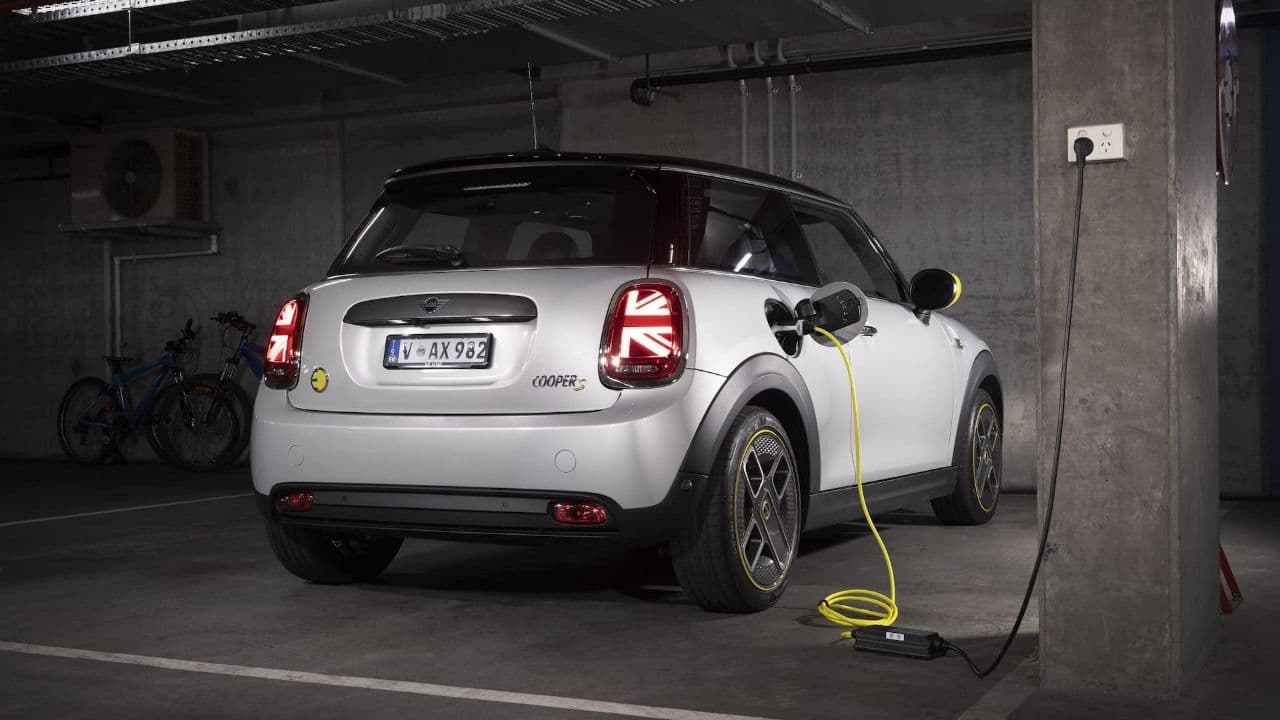
What About Common Property?
Some installations will require work on common property. For example, running a cable from the switchboard to a car space. The bill allows this. The owner can carry out work on common property as part of the installation, as long as the strata committee has issued a no-objection notice.
The standard rules about owner renovations (sections 108 to 110 of the Strata Schemes Management Act) do not apply to EV charger installations done under this new section. This removes a layer of red tape.

Where Does the Bill Stand Now?
The bill has passed the NSW Legislative Assembly. It is now in the Legislative Council. If it passes there without amendment, it becomes law. Some provisions take effect on the date of assent. Others commence on a date set by proclamation.
The regulations will fill in some details. For example, what documents an owner must include with their installation notice, and what counts as a reasonable or unreasonable objection.
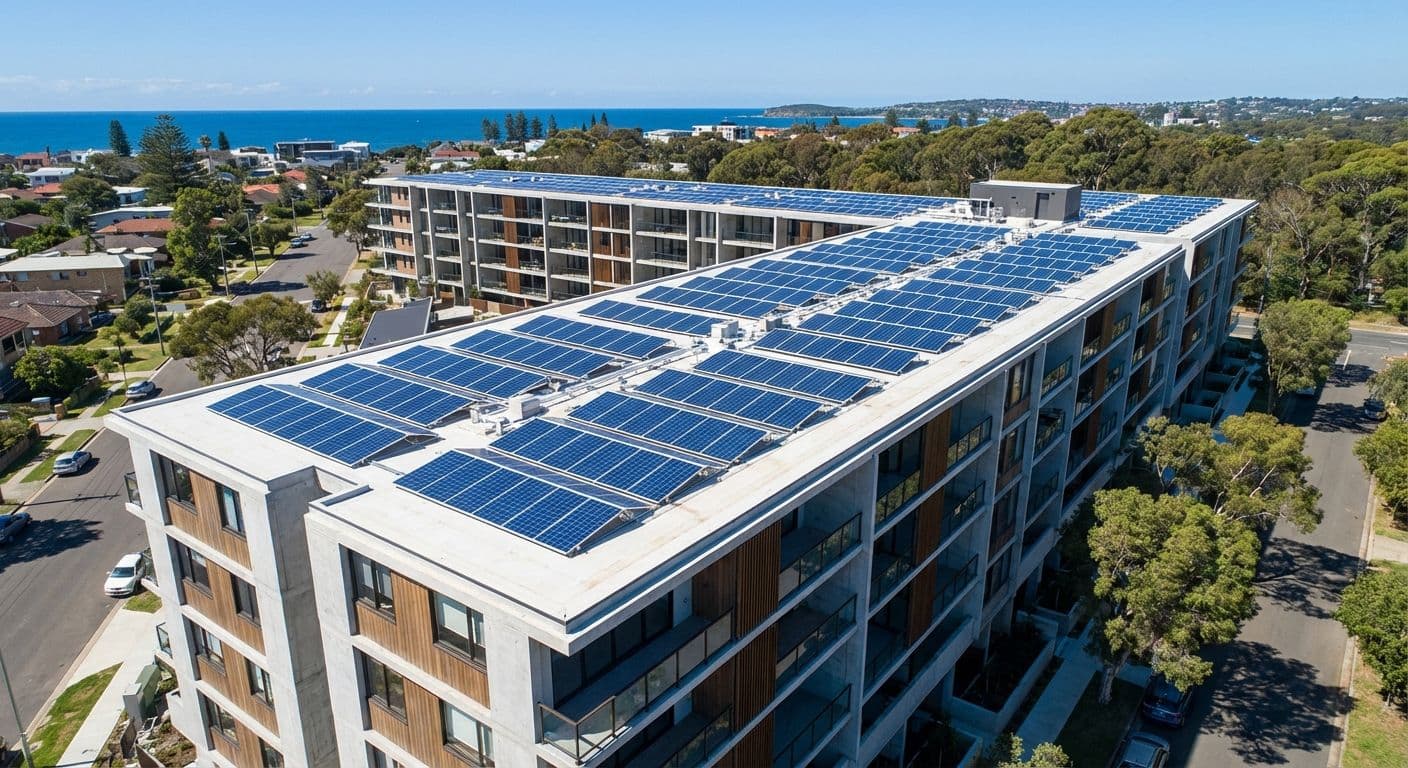
What This Means for EV Owners in Apartments
Right now, getting a charger installed in a strata building often requires a vote at a general meeting. That can take months. Committees can say no without clear reasons. This bill removes that barrier.
Once the law passes, you will be able to notify your strata committee and, if they do not object within 3 months, proceed with the installation. You do not need a vote. You do not need a by-law change.
This is a practical step forward for the roughly one in four Australians who live in apartments or townhouses. As EV uptake grows, access to home charging becomes more important.


About the author

Danny is a consultant and entrepreneur working at the cutting edge of the electric vehicle and energy transition. He is passionate about educating and helping consumers make better decisions through data.
