
Key Points
- A Melbourne apartment building has been fitted with 252 EV charge points, covering all 241 residential apartments and five commercial tenancies.
- Lack of home charging access is one of the most common barriers to EV ownership, particularly for apartment residents.
- Each charge point is estimated to save residents around $2,000 per year in fuel costs, enough to repay the hardware cost within a year.
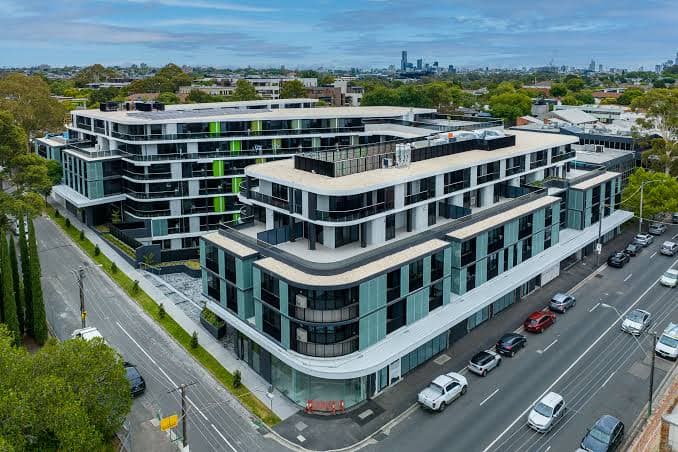
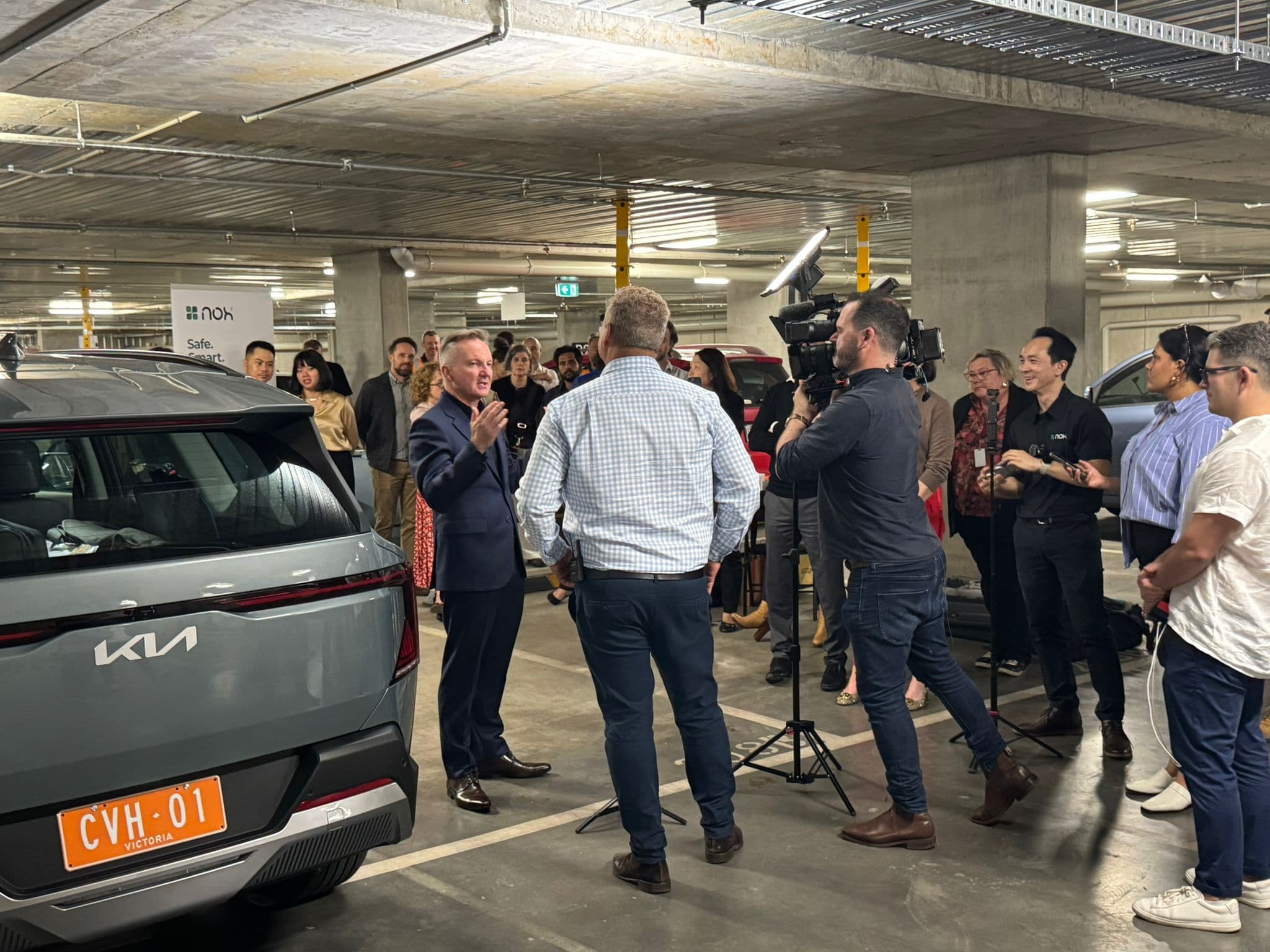
A Melbourne apartment building has become Australia's largest EV-enabled building after being fitted with 252 electric vehicle charge points. The project was launched on 18 March 2026 by NOX Energy and Federal Minister for Climate Change and Energy Chris Bowen.
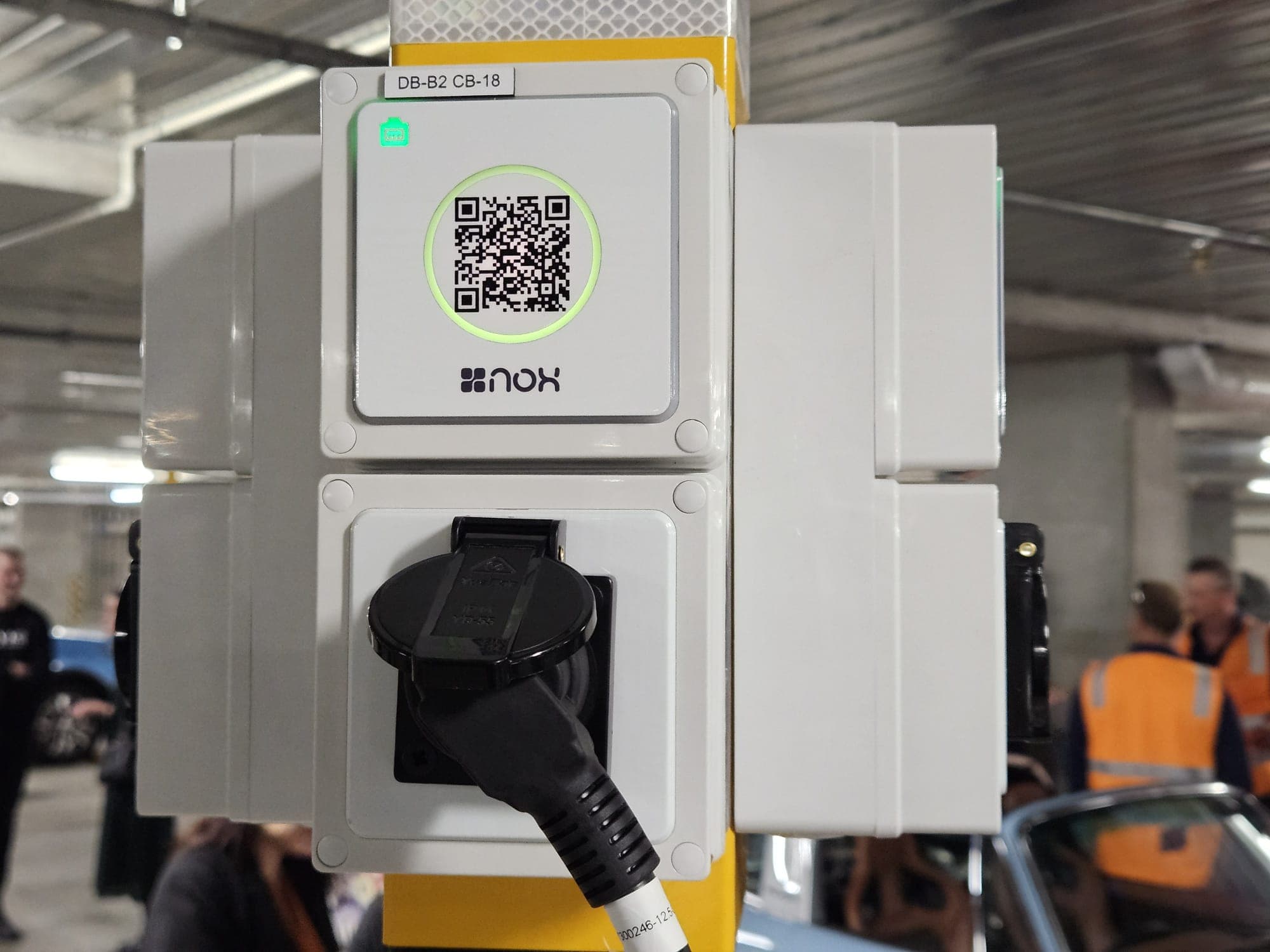
The building, Sierra Hawthorn, has 241 residential apartments and five commercial tenancies. Each apartment has its own dedicated charge point (10A/2.4kW), installed in the resident's allocated parking space. Commercial tenants share 10 additional Intelligent Power Sockets (IPS) units and a 22kW MSI charger.
Unlocking Access to EV Charging in Apartments
Access to home charging is one of the most common barriers to EV ownership in Australia. For people living in apartments or townhouses, installing a personal charger has historically been difficult or impossible without significant electrical upgrades.
The Sierra Hawthorn project addresses these key issues. NOX Energy's Intelligent Power Sockets use smart load management to distribute power across the building without requiring major infrastructure changes.
Payments are managed via the the Nox Energy billing system. Users are billed based on their usage despite common electricity used.

How the Technology Works
NOX Energy's IPS units are smart power points that connect to a cloud-based management system. The system monitors and balances electricity load across all charge points in the building. This means every resident can charge their EV without overloading the building's electrical supply.
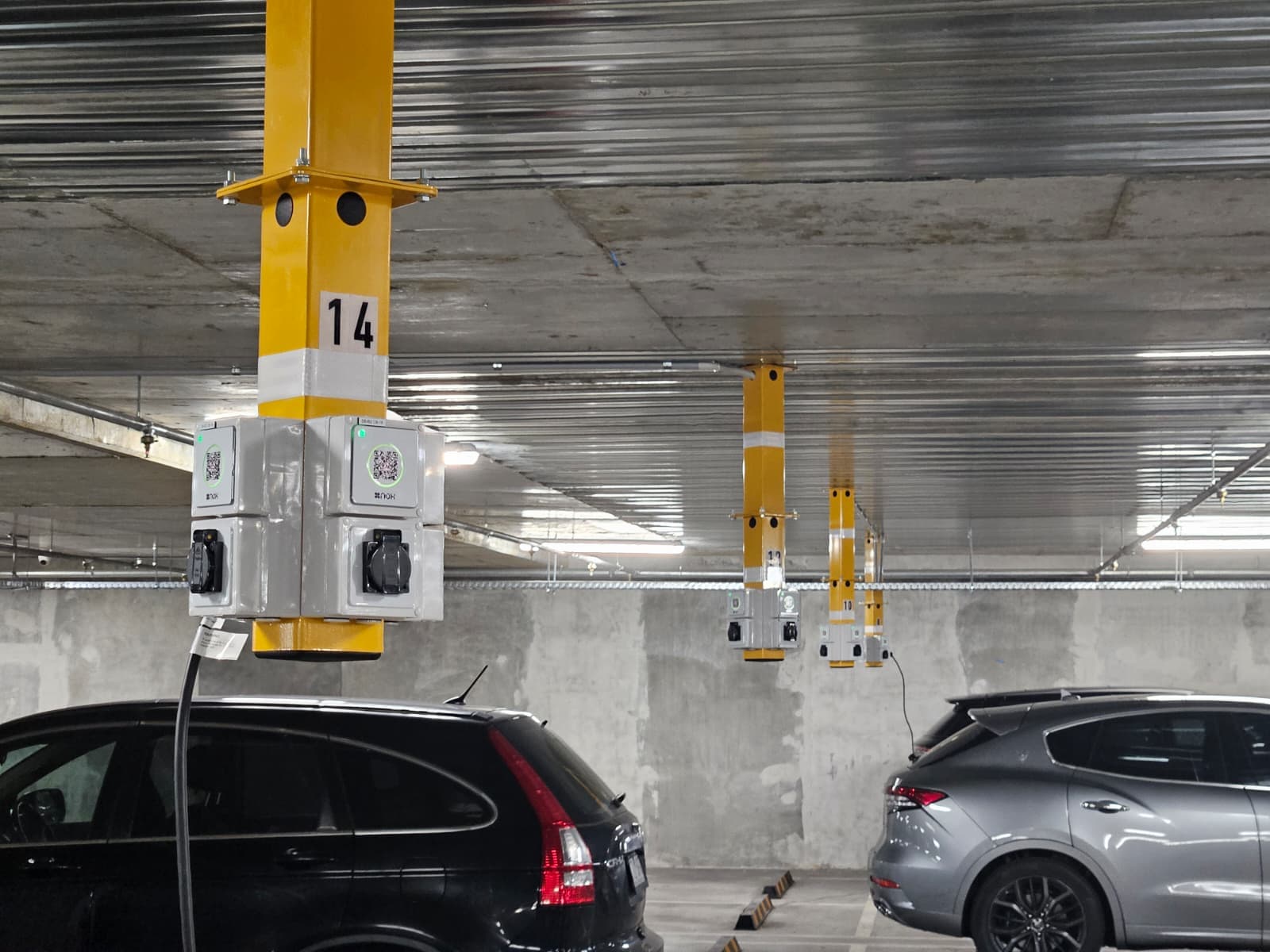
The installation at Sierra Hawthorn was carried out by Port Melbourne-based electrical contractor ModTech Group. Stainless-steel reverse-mounted ceiling bollards, developed by SSAF Australia, were used to safely position charging hardware above parking spaces. Commercial charging hardware was supplied by MSI and runs on the same NOX Energy load management and payment platform.
| Detail | Information |
| Location | Sierra Hawthorn, Melbourne |
| Total charge points | 251 |
| Residential charge points | 241 (one per apartment) |
| Commercial charge points | 10 IPS units + 1 x 22kW MSI charger |
| Charging hardware | NOX Energy Intelligent Power Sockets (IPS) |
| Commercial hardware supplier | MSI |
| Electrical contractor | ModTech Group |
| Mounting solution | SSAF Australia stainless-steel ceiling bollards |
| Management system | NOX Energy cloud-based load management and payment gateway |
Cost and Savings
Home charging is generally the cheapest way to power an EV. Each charge point installed at Sierra Hawthorn is estimated to save residents around $2,000 per year in fuel costs compared to running a petrol vehicle. At that rate, the cost of the charge point hardware can be recovered well within a year.
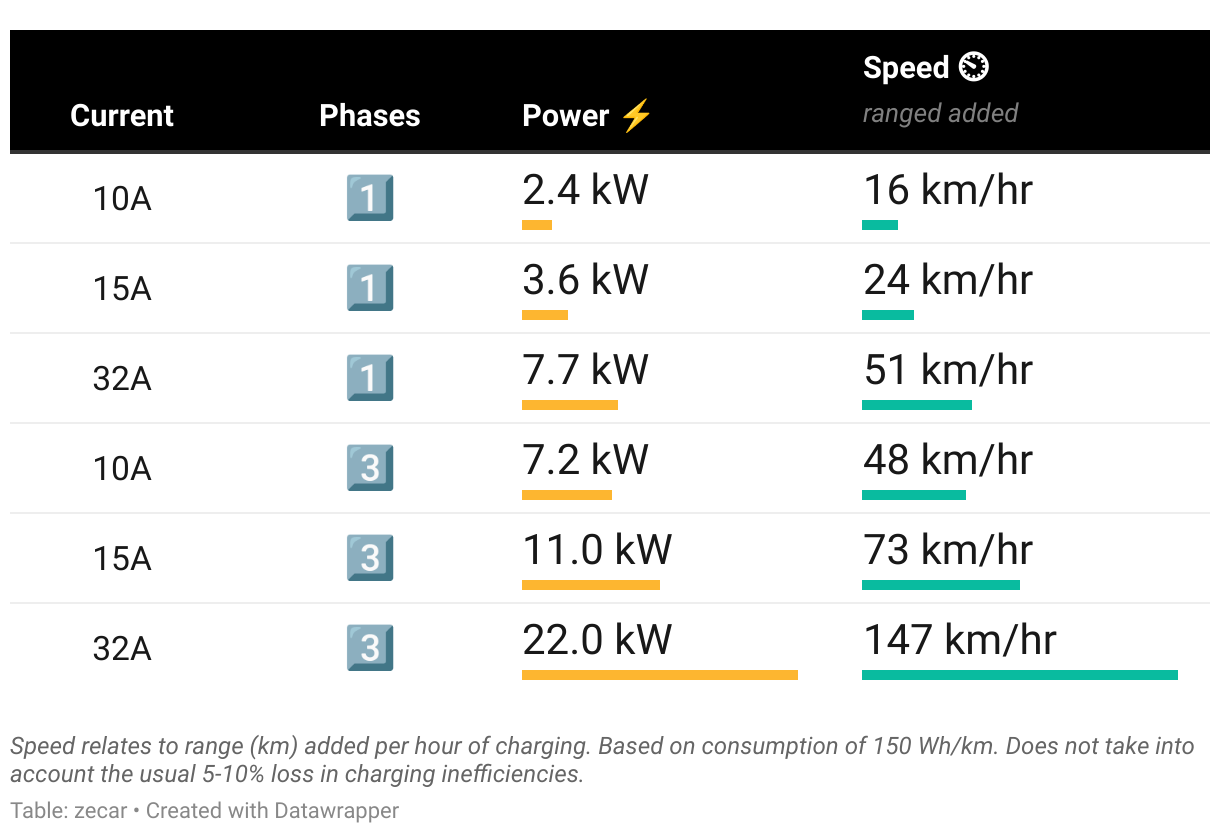
The low cost of the total project was made possible by using 10A sockets which allowed two sockets to be connected to each circuit. This comes at the cost of speed. The average driver (37km/day) will likely need to charge 3 times a week assuming 8 hour charge sessions. The table below compare the speeds across different charging options.
The project is part of a broader initiative called 'Accelerating EV Adoption: Unlocking EVs for Strata Residents', which aims to deploy 2,000 EV charging devices across Australian strata buildings. Funding comes from the Australian Renewable Energy Agency (ARENA) through the Driving the Nation program.
Fire Risk
The system is also synced with the fire alarms in the building, so they shut off all charging if there is a fire anywhere in the building.
"It actually improves the fire safety profile of the building," Chak says.
Chak says the fire issue is fading as people become more educated about what EV charging really means inside apartments. "People can't say 'EVs are now fire bombs' anymore. No one is saying this or asking these kinds of questions anymore," he says.
Car insurer NRMA nods to data that shows 13 EV fires between 2021 and 2026, compared to 11,582 internal combustion fires, of which three were charging at the time but the cause of the fire was unrelated to charging.
"We've dealt with hundreds of stratas, and when they looked into the insurance, having EV charge points inside a building will not necessarily increase your fire premium, your insurance premium, and it actually does not increase the fire safety risk if you have the right solution installed by certified installers," Chak says.
De Rango, now the director of Vehicle Charging Solutions Australia, says insurance companies are increasingly comfortable with road registered EVs – as opposed to unregistered scooters or bikes – inside apartments – and correctly installed charging equipment. IAG (whose brands include NRMA, CGU, RACQ) consider that "There's virtually zero fire risk if an undamaged EV is charged correctly".
Part of a National Push
ARENA CEO Darren Miller said apartment residents need the same access to home charging as people in freestanding houses for the energy transition to work for everyone. The Sierra Hawthorn project is one example of how low-cost smart charging solutions can be deployed at scale in strata buildings.
The federal government has been pushing to expand EV infrastructure through the Driving the Nation initiative. Minister Bowen noted that home charging is the cheapest and most convenient way to power an EV, and that expanding access to apartment residents is a key part of that effort.


About the author

Danny is a consultant and entrepreneur working at the cutting edge of the electric vehicle and energy transition. He is passionate about educating and helping consumers make better decisions through data.
