Key Points
- Polestar publishes full carbon footprint of the Polestar 5 electric GT
- Manufacturing emissions measured at 23.8 tonnes of CO₂-equivalent
- Materials and battery production are the biggest sources of emissions
- Renewable energy and recycled aluminium help reduce production impact
- Greater transparency could influence future EV sustainability standards in Australia
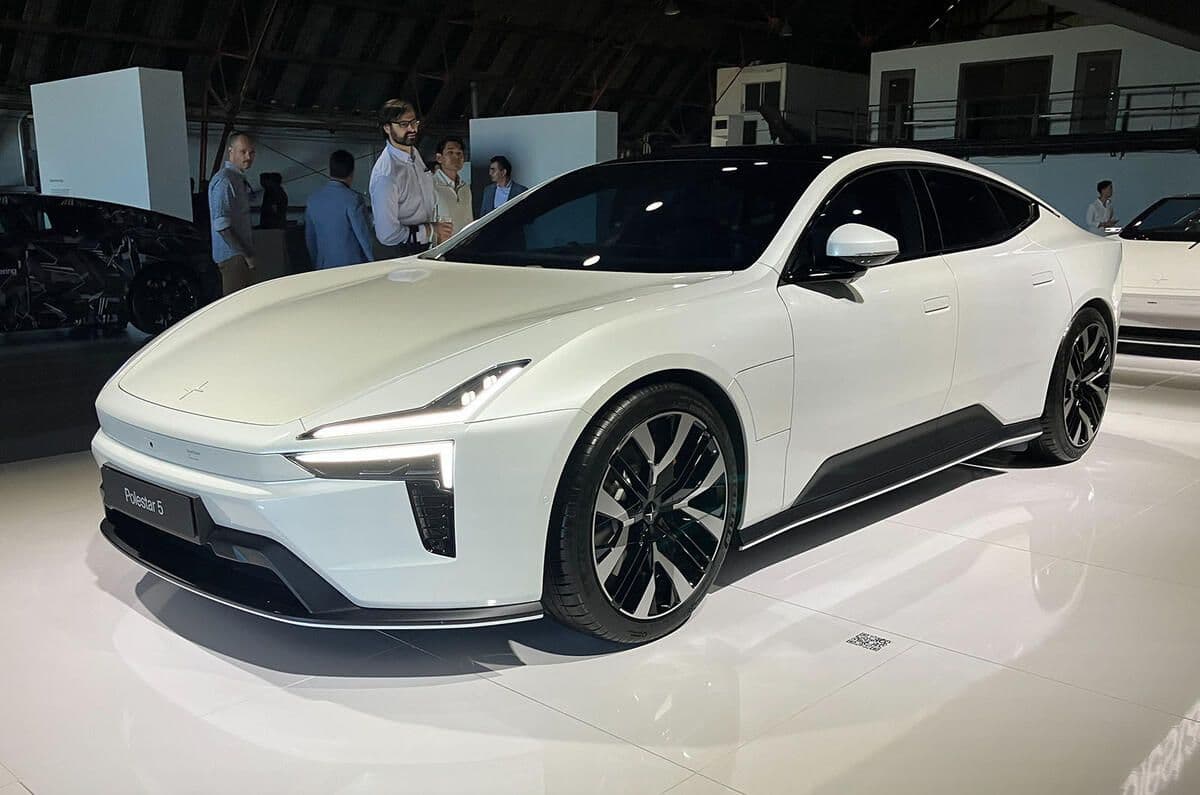
Swedish electric carmaker Polestar has released detailed environmental data for its upcoming Polestar 5, providing a rare breakdown of the carbon emissions involved in building one of its vehicles.
According to the company’s latest lifecycle assessment, the Polestar 5 has a cradle-to-gate carbon footprint of 23.8 tonnes of CO₂-equivalent, covering emissions generated from raw material extraction through to the completion of vehicle manufacturing.
The company says it is currently the first automaker to publish the full carbon footprint of every vehicle in its lineup, part of a broader push to improve transparency around the environmental impact of electric vehicles.
The Polestar 5, which is expected to reach Australian buyers soon, combines high-performance electric technology with a focus on sustainable production methods.
▶️MORE: Polestar 5 Receives ADR Approval, Signalling Imminent Australian Launch
Performance and range of the Polestar 5
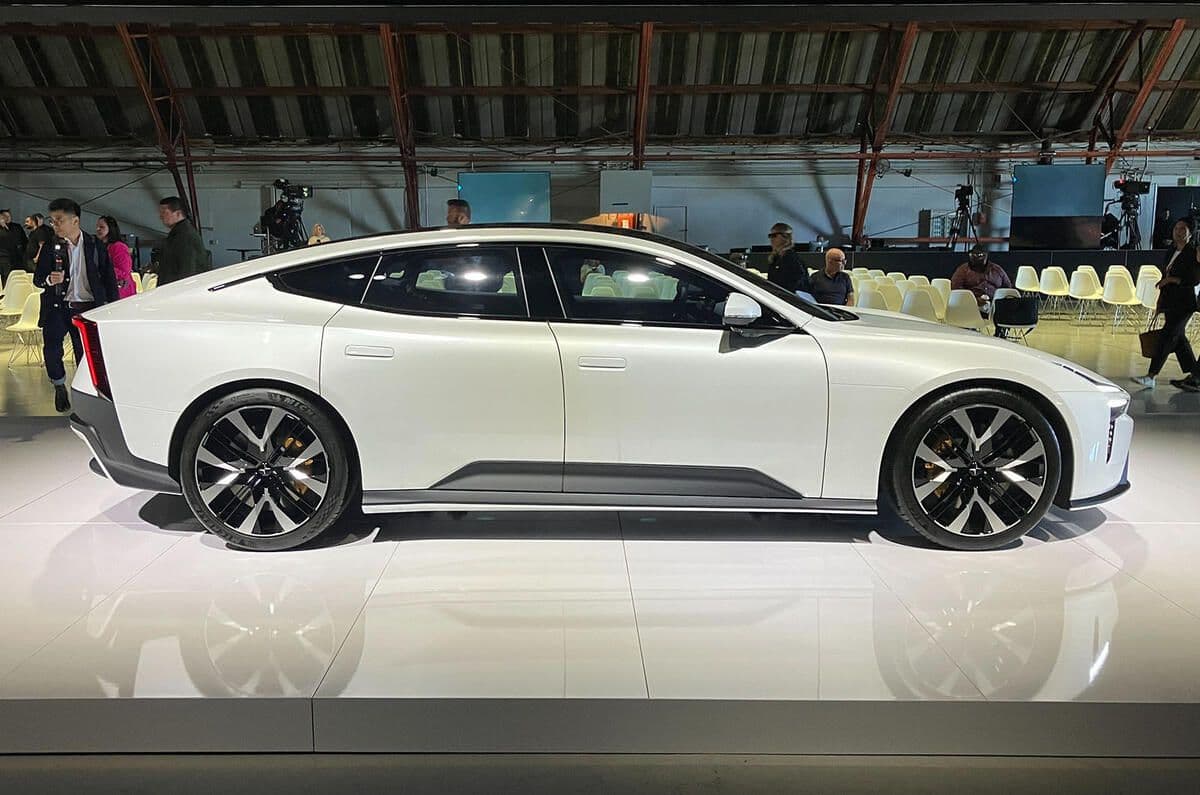
Beyond sustainability metrics, the Polestar 5 is positioned as a high-performance electric grand tourer.
Key highlights of the model include:
- Up to 678km driving range (WLTP)
- Dual-motor power output of up to 650kW
- 0–100km/h acceleration in about 3.2 seconds
These figures place the Polestar 5 among the most powerful EVs expected to arrive in Australia in the coming years, competing with premium performance electric sedans and GT-style vehicles.
The car is already listed locally with pricing starting above $185,000, climbing to around $210,000 for the Performance Launch edition.
▶️MORE: Are Electric Cars Better For The Environment?
Materials and battery production drive most emissions
Polestar’s analysis shows that the largest source of emissions during production comes from the materials used to build the vehicle.
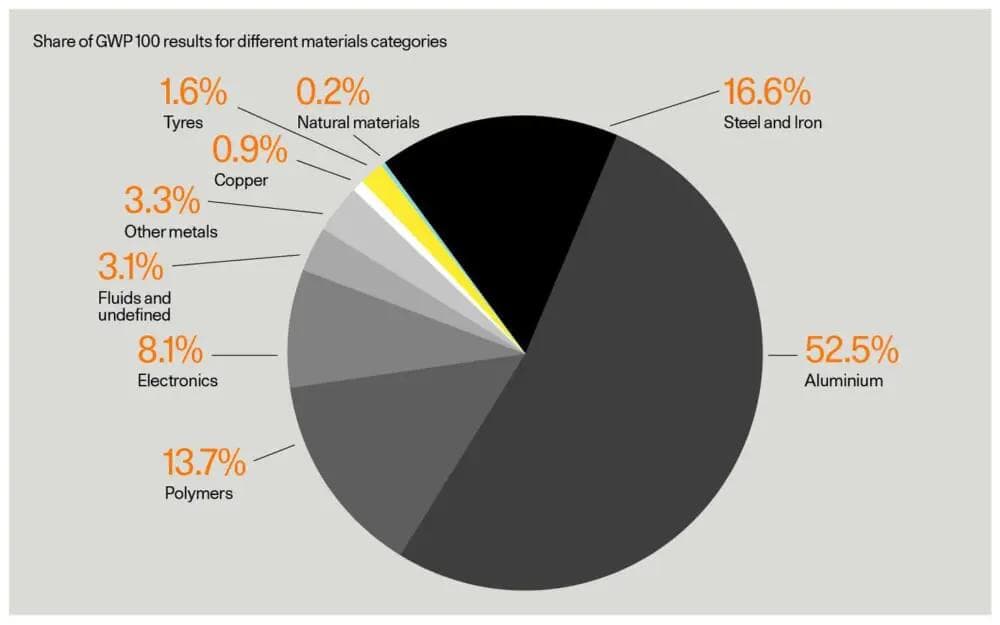
Of the 23.8 tonnes of CO₂-equivalent produced during manufacturing, the biggest contributors include:
- Materials: around 60% of total emissions
- Battery modules: around 29%
- Logistics: roughly 10%
- Manufacturing processes: remaining portion
▶️TRY: Zecar’s EV Emissions Calculator
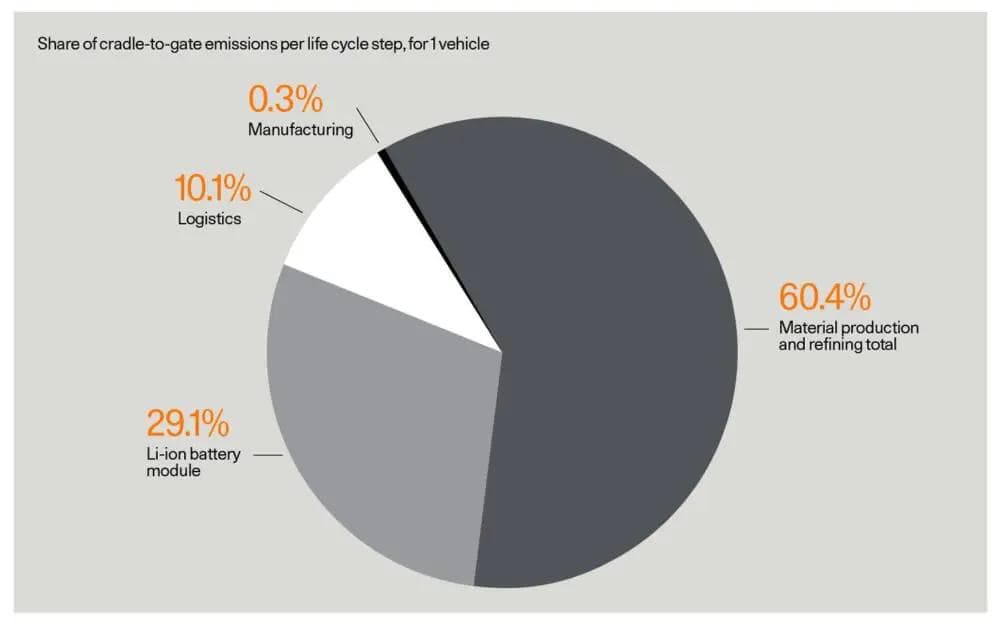
Aluminium plays a particularly large role, accounting for more than half of the emissions associated with materials, while steel and iron contribute around 17%.
To reduce this impact, Polestar says the vehicle uses a combination of recycled aluminium and aluminium produced using renewable energy, significantly lowering emissions compared with traditional smelting processes.
The company estimates that these sourcing changes avoid roughly 14 tonnes of CO₂ emissions per vehicle compared with conventional aluminium production.
The battery modules themselves are produced using 100% renewable electricity for key manufacturing steps, including the production of anode and cathode materials.
Full lifecycle emissions reveal electricity impact
Polestar also examined the car’s emissions across its entire lifecycle.
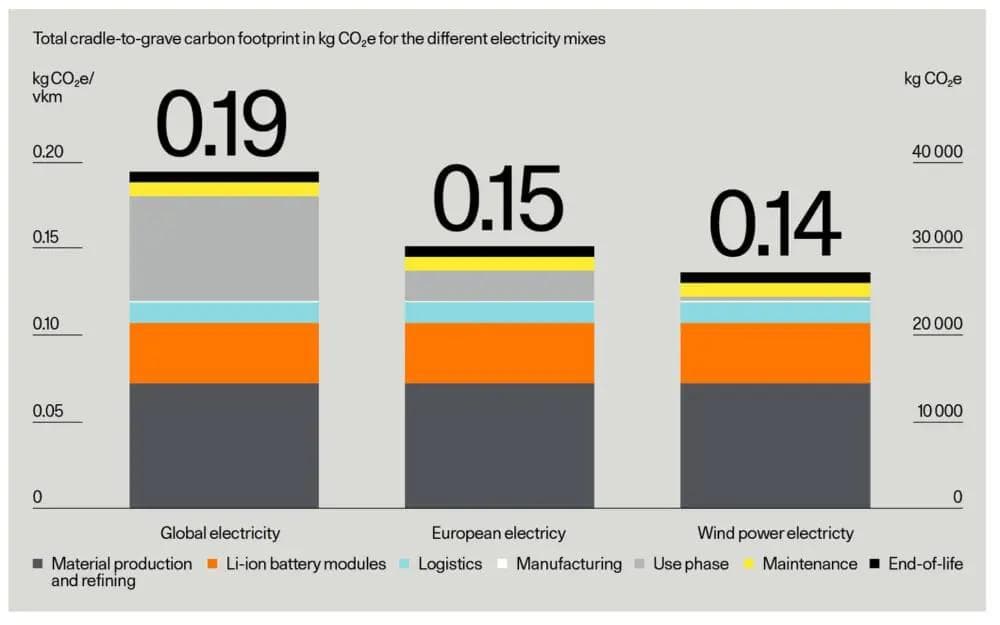
When driving 200,000 kilometres and including end-of-life recycling, the total climate impact varies significantly depending on the electricity mix used to charge the vehicle.
Estimated lifecycle emissions include:
- 28.5 tonnes of CO₂-equivalent using the European electricity mix
- 38.6 tonnes of CO₂-equivalent if charged using the global average electricity mix
This highlights how strongly the environmental impact of EVs depends on how electricity is generated, particularly whether renewable energy sources are widely used.
Polestar says publishing these figures helps the industry identify where improvements are needed across supply chains and production processes.
▶️MORE: EV and PHEV Sales Surge in February 2026
What this means for the Australian EV industry
Polestar’s decision to publish detailed lifecycle data could have broader implications for the Australian electric vehicle market.
As EV adoption increases locally, transparency around manufacturing emissions is becoming a bigger issue for consumers, governments and fleet operators. While electric cars eliminate tailpipe emissions, their overall environmental impact also depends on battery production, materials sourcing and manufacturing energy.
By openly sharing its lifecycle assessment data, Polestar may encourage other manufacturers to provide similar disclosures.
For Australia, where the electricity grid is rapidly shifting toward renewable energy, EVs like the Polestar 5 could achieve lower overall lifecycle emissions over time, particularly as solar and wind power expand.
The move also highlights a growing trend in the EV industry: competition not just on performance and range, but on sustainability and supply-chain transparency.
