


Key Points
- Energy Minister Chris Bowen confirmed the EV tax break and home battery rebate are under review for December's mid-year budget update, but said now is not the time to end the EV tax cut.
- Treasury estimates the EV tax break will cost $1.35 billion this financial year, 15 times the original forecast, while the home battery scheme is budgeted at $7.2 billion over four years, three times the original forecast.
- Australians bought 24,845 battery EVs in October 2026, and more than 600,000 home batteries have been installed under the Cheaper Home Batteries Program.
Energy Minister Chris Bowen has confirmed that the federal government's electric vehicle and home battery subsidies are being looked at as part of Labor's search for budget savings. He made the comments to the Australian Financial Review on 13 November 2026 at the COP31 climate summit in Antalya, Turkey.
Treasurer Jim Chalmers and Finance Minister Katy Gallagher are under pressure to deliver significant spending cuts in the December mid-year budget update (MYEFO). The aim is to help the Reserve Bank of Australia fight inflation.
What Bowen said
Bowen said every budget or MYEFO is an obligation to review each policy and check it is working as intended. That includes both subsidies.
He was clear on the EV tax break, though. He said it is not yet time to get rid of it. He also said all support is time-limited and is already winding down after decisions made last year, but should do so gradually.
On batteries, Bowen said the government is very proud of the home battery policy and expects that to continue. He said Australia now has more home batteries installed than any other country because of the subsidy.
Treasury is pushing for both schemes to be overhauled, according to the AFR. The AFR reported last week that Treasury is drafting options to scale back the battery scheme. The Sydney Morning Herald reported on Thursday that the government is also examining the EV tax break.
What the two subsidies cost
Both programs have cost far more than forecast. The government has already scaled back both to limit further blowouts.
EV tax break vs Cheaper Home Batteries
Item | EV tax break (FBT exemption) | Cheaper Home Batteries |
What it does | Exempts electric cars under $91,387 from fringe benefits tax when bought through a novated lease | Discounts home battery systems by around 30 per cent |
Started | July 2022 | 1 July 2025 |
Cost per Treasury | $1.35 billion this financial year | $7.2 billion over four years |
Versus original forecast | 15 times higher | 3 times higher |
Uptake | More than 112,000 claims | More than 600,000 batteries |
The EV FBT exemption works through a novated lease, where an employer pays the lease from pre-tax salary. The AFR calculated that a person leasing a $60,000 car would save almost $12,000 a year by choosing an EV over a petrol car.
Novated Lease Australia told the AFR that EVs made up 80 per cent of its new leases over the past three months.
EV uptake to October 2026
Australians bought 24,845 battery electric vehicles (BEVs) in October, about 23 per cent of new vehicle sales. It was the third straight month BEVs outsold petrol-only cars, which recorded 23,605 sales. Diesel led on 25,649.
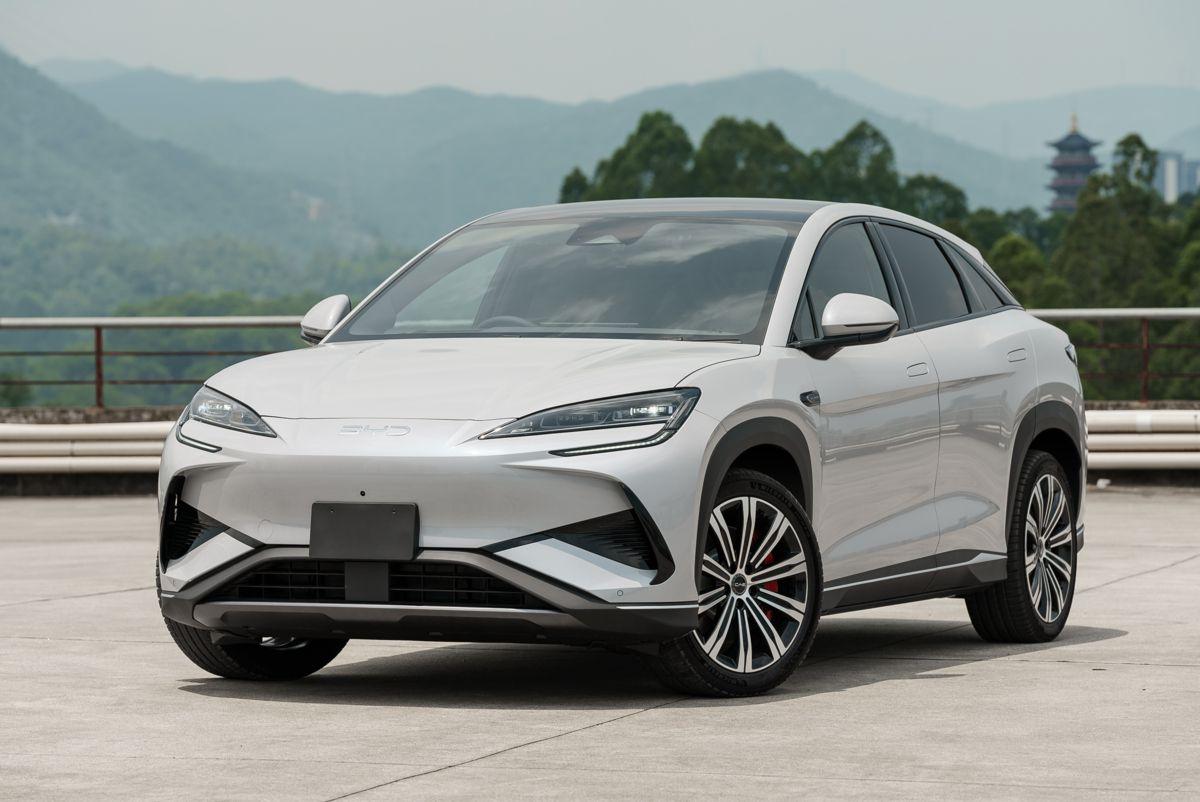
Plug-in hybrids added 11,745 sales in October, taking BEV and PHEV sales to 36,590. Tesla led BEV models with the Model Y on 3,105 sales, and BYD was the top BEV brand with 5,271.
So far in 2026, BEV sales are about 206,000 for January to October 2026. The Electric Vehicle Council counted 103,716 BEVs and 54,241 PHEVs in the first half alone. See the full EV sales data.
EV Sales in Australia
How many EVs are on Australian roads
The Electric Vehicle Council estimated the national EV fleet at about 650,000 in its early August update, around 3 per cent of all vehicles. Adding the roughly 79,000 BEVs delivered from August to October to the 650,000 estimate suggests at least about 730,000 EVs in Australia.
How many home batteries have been installed
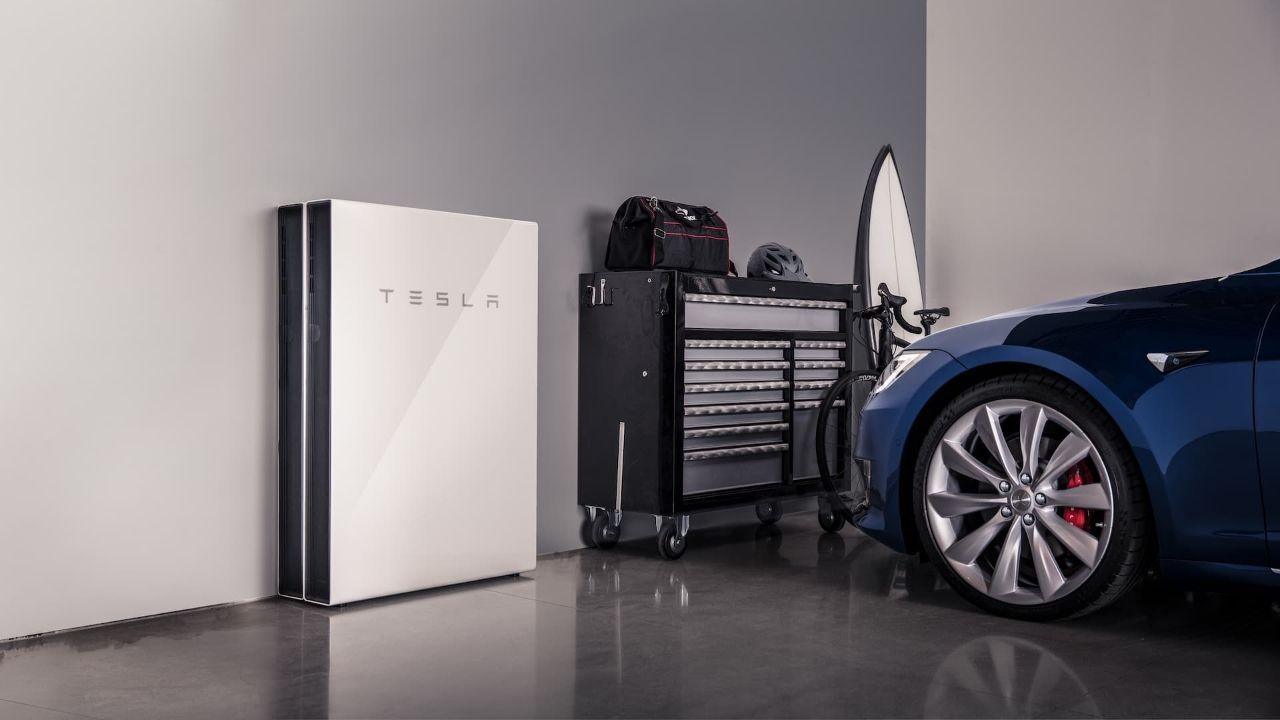
The Cheaper Home Batteries Program launched on 1 July 2025. It passed 457,000 installations at its first anniversary and 507,000 in August. Bowen has since said it has passed 600,000, which energy-storage.news estimates at around 16.8 GWh of capacity. Bowen did not give a capacity figure.
Households with a battery can also compare EV energy plans to cut charging costs.

Economists and Turnbull want means testing
Economists say both subsidies should be the first to go. They argue the schemes mainly benefit high-income households and have blown out in cost.
Former prime minister Malcolm Turnbull, at COP31 as president of the International Hydropower Association, said both should always have been means tested. He said subsidies risk paying people to do things they would have done anyway. He said the case for EVs is overwhelming, and subsidies should eventually end or be means tested.
Bowen said Australia has arguably seen the world's largest rise in EV uptake. He listed benefits beyond petrol savings: lower emissions, better fuel security and improved respiratory health.
Sources: Australian Financial Review (13 November 2026); FCAI and Electric Vehicle Council October 2026 sales data; Electric Vehicle Council; energy-storage.news; RenewEconomy.

About the author

Danny is a consultant and entrepreneur working at the cutting edge of the electric vehicle and energy transition. He is passionate about educating and helping consumers make better decisions through data.
