Key Points
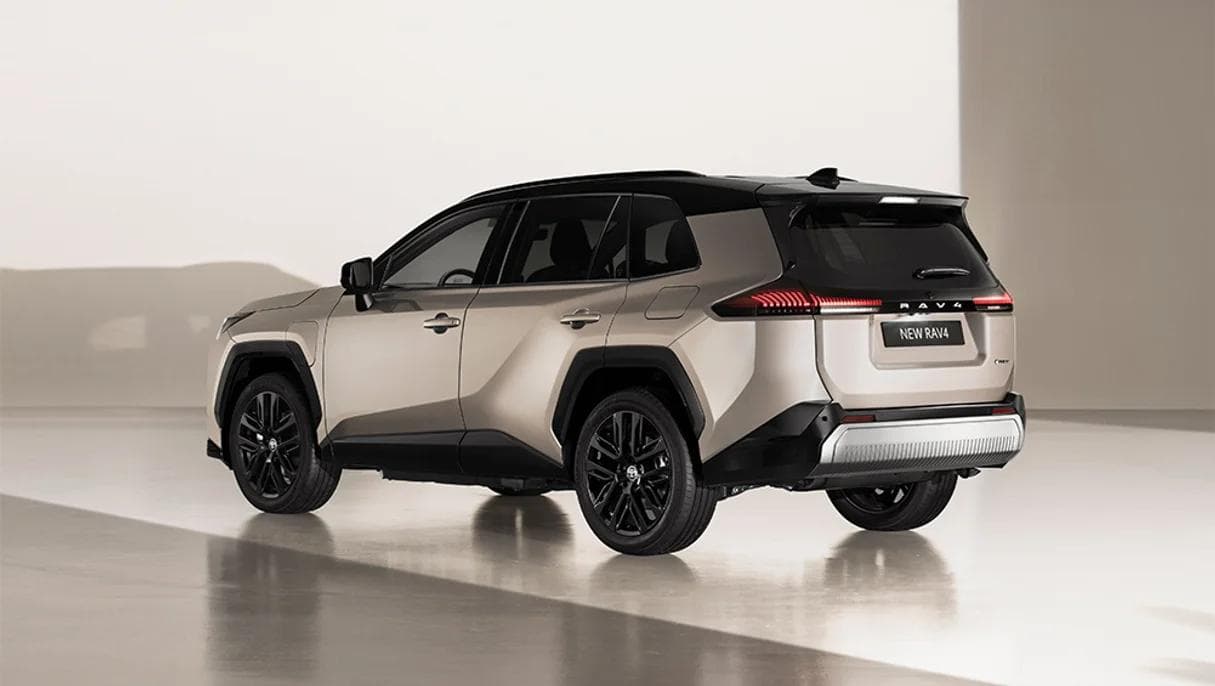
- Toyota has launched its first plug in hybrid vehicle in Australia, the all new RAV4 PHEV.
- It offers up to 154km of electric only driving on the NEDC cycle
- The RAV4 PHEV features a 22.7kWh battery, 50kW DC fast charging, 11kW AC charging and up to 227kW of combined power.
- Three variants are available, including the flagship GR Sport AWD priced from $66,340 before on road costs.
- Toyota expects the RAV4 PHEV to represent around five per cent of its Australian sales during 2026.
Toyota has officially entered Australia's plug in hybrid SUV market with the all new RAV4 PHEV, bringing its first plug in hybrid electric vehicle (PHEV) to local buyers. Offering up to 154km of electric only driving on the NEDC test cycle, fast charging capability and more power than any previous RAV4, the new model expands Toyota's electrified lineup at a time when demand for low emission SUVs continues to grow.
The sixth generation RAV4 marks an important milestone for Toyota Australia. While the brand has dominated the local hybrid market for years, the arrival of the RAV4 PHEV gives buyers a new option that bridges the gap between conventional hybrids and fully electric vehicles.
Under the bonnet is a 2.5 litre naturally aspirated petrol engine paired with Toyota's sixth generation hybrid system and a larger 22.7kWh lithium ion battery. The result is a vehicle capable of handling most daily commutes on electricity alone while retaining the convenience of petrol for longer journeys.
Toyota quotes up to 154km of electric only driving range on the older NEDC test cycle, while Australian WLTP figures are rated at up to 105km for the XSE 2WD and 100km for the AWD models, providing a more realistic indication of real world driving.

What does the new RAV4 PHEV offer?
Toyota says the RAV4 PHEV has been designed for Australians who regularly travel shorter distances but still want the flexibility to head interstate or into regional areas without relying entirely on public charging infrastructure.
The entry level RAV4 XSE 2WD PHEV develops 200kW, while the XSE AWD and GR Sport AWD increase combined output to 227kW, making them the most powerful RAV4 variants ever sold in Australia.
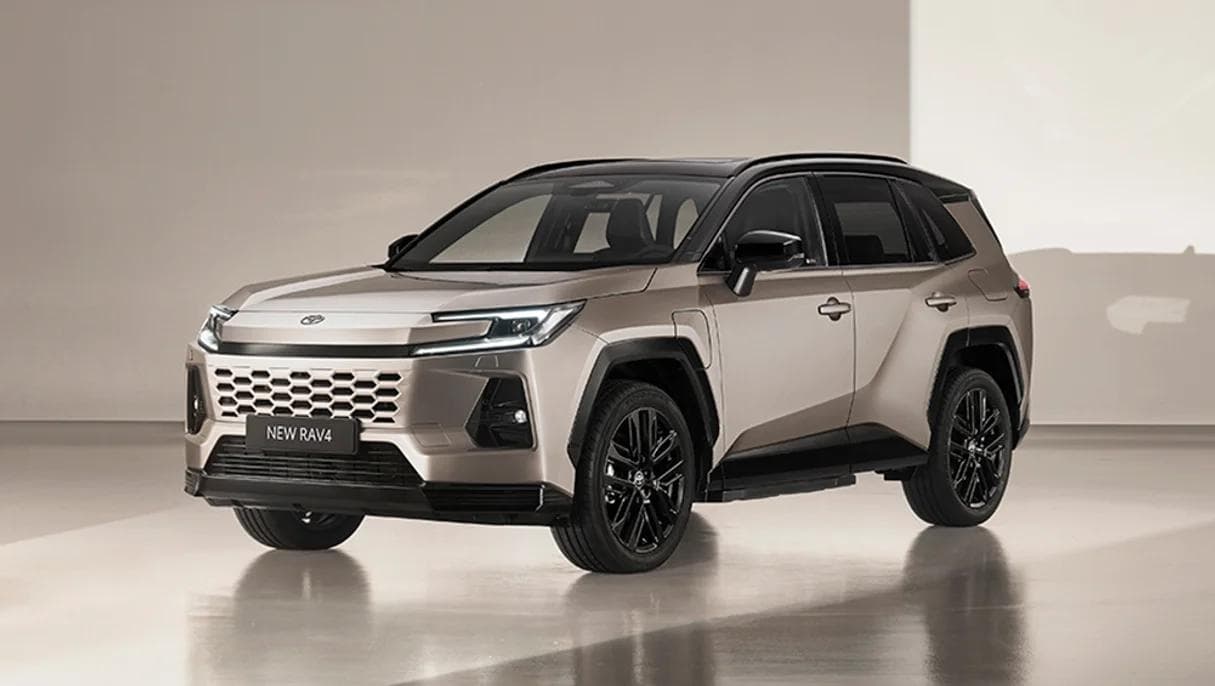
Drivers can choose between three driving modes including EV, Auto EV/HEV and HEV, allowing the vehicle to run purely on battery power, automatically switch between electric and hybrid operation, or preserve battery charge for later use.
Toyota Australia Senior Manager of Product Planning and Pricing Ray Munday said the new powertrain offers greater flexibility for Australian drivers.
"Plug in hybrid electric vehicles allow a customer who spends most of their time doing shorter commutes the opportunity to run on EV alone with the convenience of long range ICE driving when needed."
"This is particularly useful for customers who can charge at their home or office daily."
Charging has also taken a major step forward compared with previous Toyota electrified models. The RAV4 PHEV supports 11kW AC charging and 50kW DC fast charging, allowing the battery to charge from 10 to 80 per cent in around 30 minutes. It also includes a 1,500W Vehicle to Load (V2L) outlet that can power camping equipment, tools or household appliances directly from the vehicle.
▶️MORE: Which Electric Cars Have Bidirectional Charging (V2L, V2G, V2H)?
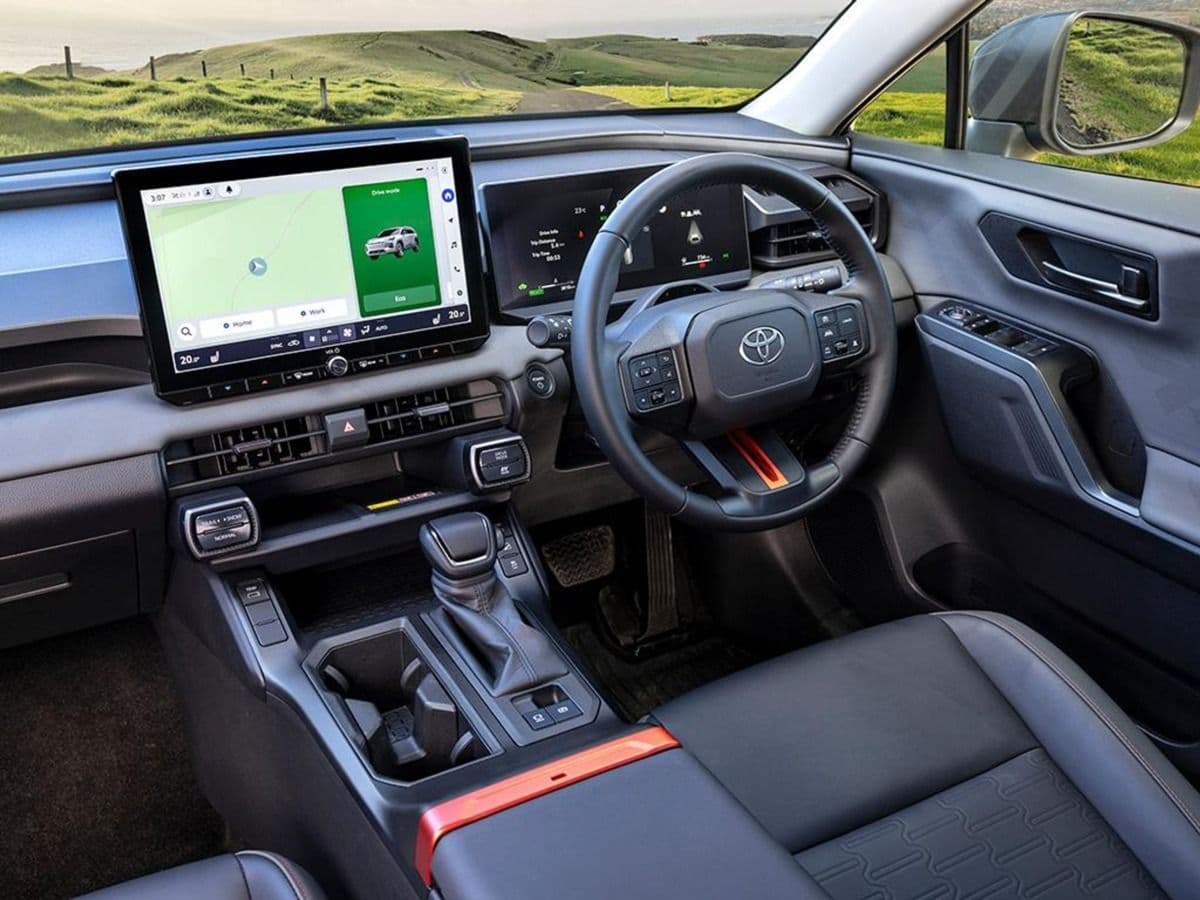
2026 Toyota RAV4 PHEV specifications
The new plug in hybrid sits near the top of the RAV4 lineup and introduces a long list of new technology, safety and convenience features.
2026 Toyota RAV4 PHEV Specifications
| Category | Specification | Details |
| Powertrain | Plug in hybrid | 2.5L petrol engine plus electric motors |
| Battery | Lithium ion | 22.7kWh |
| Variants | XSE 2WD, XSE AWD, GR Sport AWD | Three PHEV grades |
| Combined Power | 200kW / 227kW | 2WD and AWD |
| Electric Range | Up to 154km NEDC | Up to 105km WLTP (2WD), 100km WLTP (AWD) |
| AC Charging | Up to 11kW | Home charging |
| DC Fast Charging | Up to 50kW | Public fast charging |
| Charge Time | 10 to 80% | Around 30 minutes (DC) |
| Drive Modes | EV, Auto EV/HEV, HEV | Multiple operating modes |
| Towing Capacity | 800kg / 1,500kg | 2WD / AWD |
| Boot Capacity | 672L | Across the range |
| Vehicle to Load | 1,500W | External power outlet |
| Infotainment | 12.9 inch touchscreen | Wireless Apple CarPlay and Android Auto |
| Safety | Toyota Safety Sense | Eight airbags and latest ADAS |
| Availability | Australia | On sale now |
▶️MORE: Electric Car Incentives in Australia: State by State Guide
The PHEV models also receive Toyota's latest Arene operating system, over the air software updates, Google integration, panoramic view monitor, premium suede upholstery, heated and ventilated front seats, moonroof, wireless smartphone connectivity, embedded dashcam functionality and Toyota's latest suite of driver assistance technologies.
The flagship GR Sport PHEV, priced from $66,340 before on road costs, adds revised suspension tuning, wider tracks, upgraded steering calibration, GR styling elements, red brake calipers and unique interior trim.
Toyota Australia Vice President of National Sales, Marketing and Franchise Operations John Pappas said the RAV4 PHEV supports the company's broader emissions reduction strategy.
"Toyota has long approached decarbonisation through a multi pathway strategy that aims to offer Australians the right vehicle with the right powertrain for the right time."
How does the RAV4 PHEV compare with rivals?
Toyota enters one of Australia's fastest growing vehicle segments, where buyers now have more plug in hybrid SUV choices than ever before.
The RAV4 XSE 2WD PHEV starts at $58,840 before on road costs, placing it above the Jaecoo J7 Super Hybrid, MG HS Super Hybrid, Ford Escape PHEV and BYD Sealion 8. Its closest pricing rival is the Mitsubishi Outlander PHEV.
While Toyota's 100 to 105km WLTP electric range is highly competitive, it isn't the segment leader. The Chery Tiggo 9 Super Hybrid offers a claimed 170km, while the MG HS Super Hybrid and BYD Sealion 8 both claim 120km.
Performance is another highlight. The AWD RAV4 PHEV reaches 100km/h in 5.7 seconds, making it one of the quicker mainstream PHEV SUVs currently available.
▶️MORE:What is the difference between BEV vs PHEV vs HEV cars?
PHEV SUV Comparison
| Model | Price | Battery / EV Range | Power / 0 to 100km/h |
| Jaecoo J7 Super Hybrid | $47,990 | 18.3kWh / 106km | 1200 / 8.5 sec |
| MG HS Super Hybrid | $52,990 | 24.7kWh / 120km | 1200 / 6.8 sec |
| Ford Escape ST Line PHEV | $54,940 | 14.4kWh / 69km | 900 / 10.5 sec |
| BYD Sealion 8 | $56,990 | 19.0kWh / 120km | 1200 / 4.9 sec |
| Toyota RAV4 XSE 2WD | $58,840 | 22.7kWh / 105km | 1000 / 6.2 sec |
| Toyota RAV4 XSE AWD | $63,340 | 22.7kWh / 100km | 960 / 5.7 sec |
| Mitsubishi Outlander PHEV | $58,990 | 22.7kWh / 86km | 850 / 7.9 sec |
| Volkswagen Tayron eHybrid | $62,390 | 19.7kWh / 117km | 900 / 7.3 sec |
| Chery Tiggo 9 Super Hybrid | $62,990 | 34.0kWh / 170km | 1400 / 5.4 sec |
| Skoda Kodiaq PHEV | $63,490 | 19.7kWh / 112km | 1000 / 8.4 sec |
Although rivals may offer longer electric range or lower prices, Toyota continues to benefit from its strong reputation for reliability, extensive dealer network and proven hybrid expertise, factors that remain important for many Australian buyers.
What this means for Australia
The arrival of the RAV4 PHEV is one of Toyota Australia's most significant electrification launches to date.
For years, Australian buyers wanting a Toyota SUV with plug in capability had no option, despite increasing competition from brands such as BYD, Mitsubishi, MG, Chery and Jaecoo. That changes with the introduction of the RAV4 PHEV, giving Toyota customers the ability to drive on electricity for most daily trips while still having the reassurance of a petrol engine for longer journeys.
Toyota expects the RAV4 PHEV to account for around five per cent of its Australian sales in 2026, complementing its expanding lineup of hybrid and battery electric vehicles.
With more Australians looking to reduce fuel costs without making the full switch to an EV, the RAV4 PHEV could become one of the country's most important new plug in hybrid launches, particularly given the RAV4's long standing popularity and Toyota's trusted reputation in the local market.

