
Key Points
- Queensland homes can now have a single-phase 32A EV charger installed without a network management device, after Energex and Ergon Energy Network withdrew the requirement from 1 October 2026.
- The rule limiting chargers without Type 2 or Type 3 active device management to 20A has also been removed.
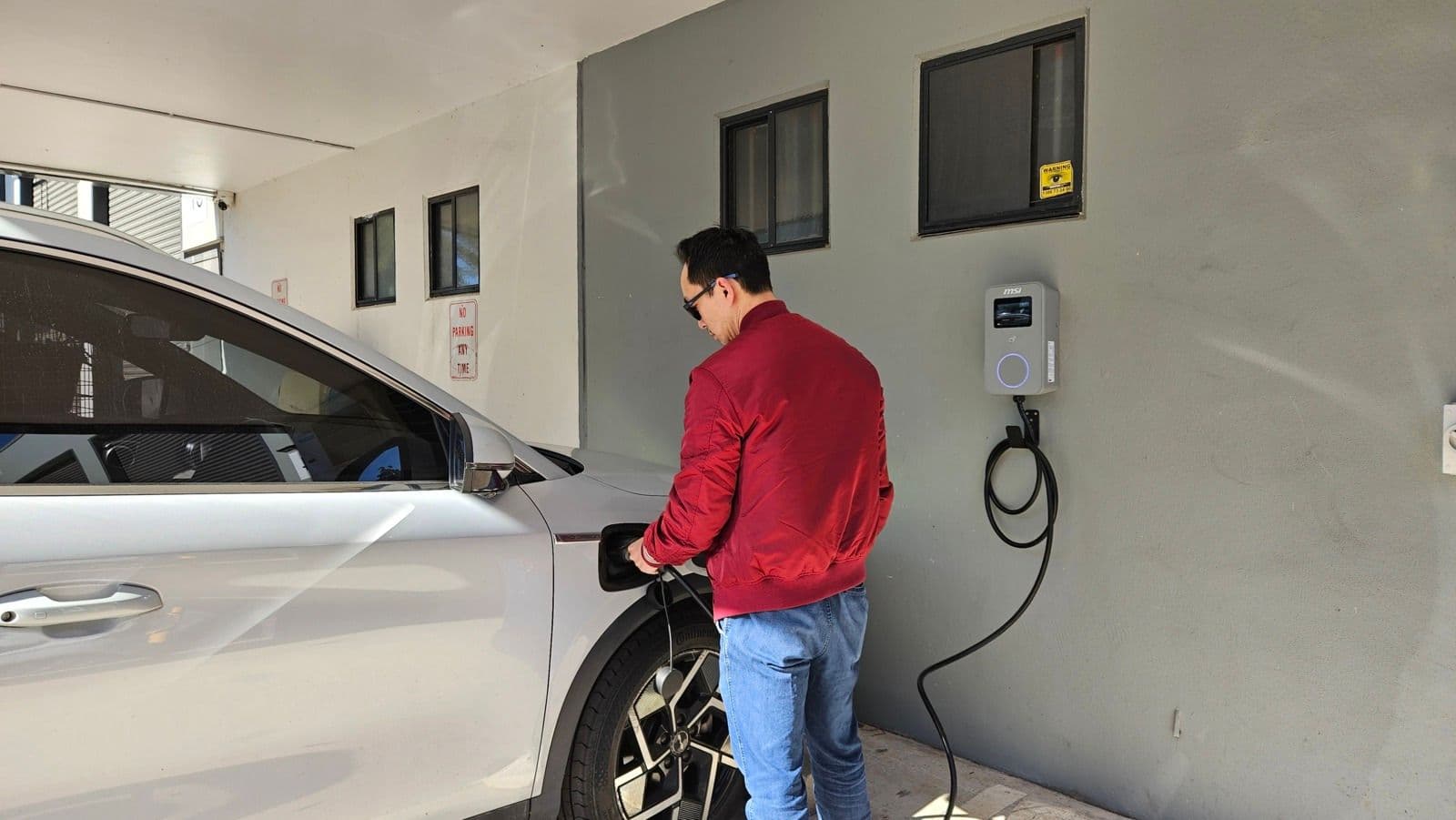
Queensland homeowners can now install a single-phase 32A home EV charger without a network management device or a 20A cap. This has the effect of increasing the charging power cap from 4.6kW to 7.4 kW. The change took effect on 1 October 2026 and applies across both the Energex and Ergon Energy Network areas in Queensland.
Since 2024, the Queensland Electricity Connection Manual (QECM) has required EV chargers to either sit behind a network-controlled device or be limited to 20A.
What has changed
Energex and Ergon Energy Network have withdrawn QECM clause 8.14.4(b). EV chargers no longer have to meet its switched load requirements.
This means:
- EV chargers are exempt from the switching load limits in QECM clause 8.14.2 (listed as 8.14.2.2 on the Energy Queensland website). This applies to both single-phase and three-phase chargers.
- A single-phase 32A charger can be installed without Type 2 or Type 3 active device management.
- The 20A limit for chargers without active device management no longer applies.
Requirement | Before 1 October 2026 | From 1 October 2026 |
Network management device (single-phase) | Required, or charger limited to 20A | Not required |
Max single-phase current without a device | 20A | 32A |
Approx. charging power at 230V | 4.6kW | 7.4kW |
QECM 8.14.2 switching load limits | Applied to EV chargers | EV chargers exempt |
Maximum demand and phase balancing | Apply | Still apply |
What it means for EV drivers
The main benefit is faster charging. At 230V, a 32A single-phase charger can deliver up to about 7.4kW, compared with about 4.6kW at 20A.
Over a 10-hour overnight session, that is roughly 74kWh at the wall versus 46kWh. Faster charging also makes it easier to fit a full top-up into cheaper overnight or solar-soak windows. You can compare EV energy plans to find a tariff that suits.
Drivers who already have a network device fitted can keep it. Energy Queensland says existing Type 2 and Type 3 devices will continue to operate and be supported, and customers can choose to keep them or have them removed.
It is not yet clear whether those existing devices will still switch chargers off during periods of high demand.

If you are planning a new install, our home EV charging guide covers how the process works, and our best home EV chargers list compares current options.


