
Key Points
- NSW households can apply for zero-interest loans of up to $15,000 to install solar, batteries, insulation and other energy upgrades.
- A separate cash subsidy of up to $4,000 is coming later in 2026 for households earning under $80,000 or holding a concession card.
- The loan can be combined with existing federal and state incentives, including the Cheaper Home Batteries Program, but those must be applied first.
The NSW Government has opened applications for Home Energy Saver, a $557 million program offering zero-interest loans to help households pay for energy-saving upgrades. The loans are available now. A separate cash subsidy for lower-income households is due to start later in 2026.
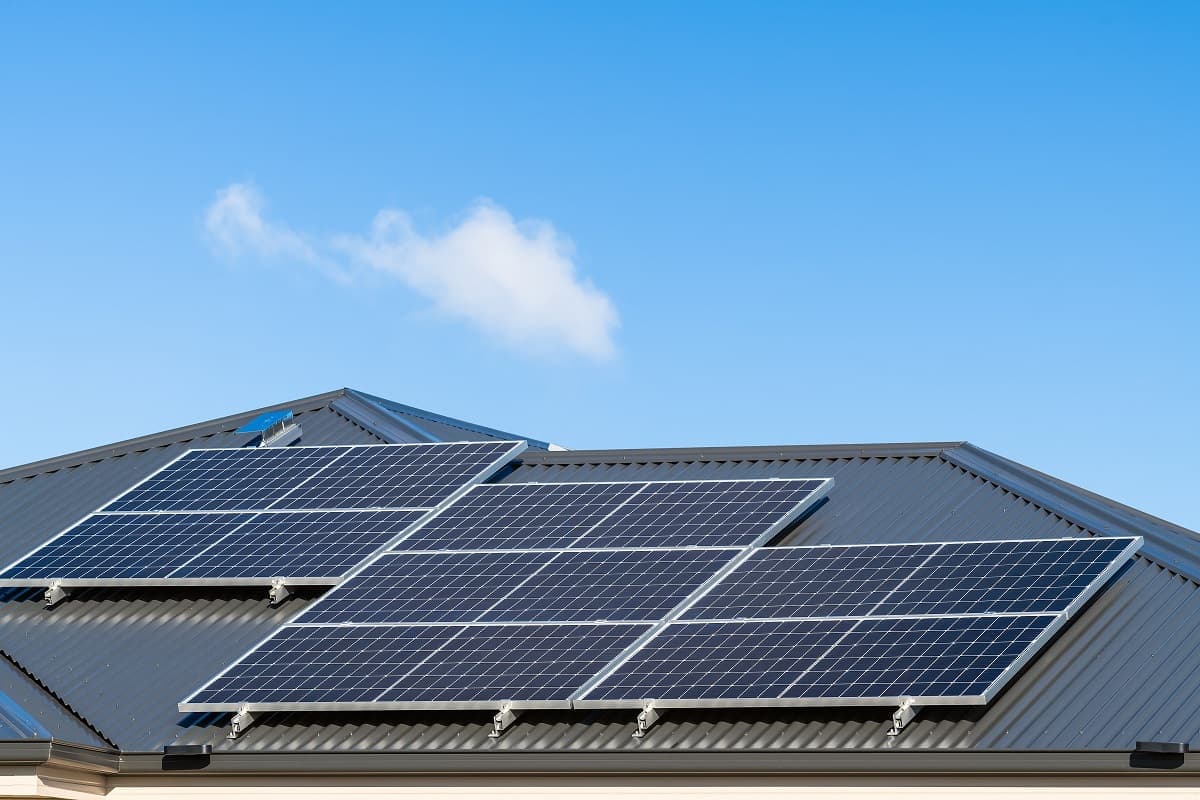
Eligible households can borrow up to $15,000 at zero interest to cover the upfront cost of upgrades such as rooftop solar, home batteries, EV chargers, insulation, reverse-cycle air conditioning and switchboard upgrades. The loan is repaid over up to ten years.
Premier Chris Minns said the upfront cost of these upgrades had been out of reach for many households, and that the government wanted to help more families access technology that cuts bills and improves comfort at home.
Minister for Climate Change and Energy Penny Sharpe said the program would give more households access to better technology, and described every household that upgrades as playing a part in the state's broader energy transition.
The government expects more than 32,000 households to take up the maximum loan amount under the program's $480 million loan funding pool. NSW already has high uptake of household solar and batteries: more than one in two houses in the state has rooftop solar, and around 13,000 new batteries are being installed each month.
What's on offer
Home Energy Saver has two parts: a loan available now, and a cash subsidy coming later in 2026. The same list of approved upgrades applies to both.
Home Energy Saver: loan and subsidy
Offer | Amount | Status | Who it's for |
Zero-interest loan | Up to $15,000 | Open now | Households with combined taxable income up to $210,000 |
Cash subsidy | Up to $4,000 | Coming later in 2026 | Households earning up to $80,000, or holding an eligible concession card |
If a household wants to apply for both, the NSW Government recommends applying for the cash subsidy first, then taking out a loan to cover the remaining cost.
Renters can also benefit from the subsidy, as long as their landlord approves the upgrade.
Who is eligible
To qualify for a loan, applicants need to meet all of the following criteria.
Loan eligibility criteria
Criterion | Requirement |
Location | Property must be in NSW |
Residency | Borrower must be an Australian citizen or permanent resident |
Household income | Combined taxable income up to $210,000 |
Ownership | Borrower must own the property, as an owner-occupier or landlord |
Eligible upgrade | Must be an approved technology meeting minimum product specifications |
A NatHERS (Nationwide House Energy Rating Scheme) home assessment is optional as part of the loan application.
Households cannot get a loan if their property has already received $15,000 in upgrades under a previous Home Energy Saver loan, or if the property is social or community housing, or used for short-stay accommodation.
Eligible upgrades
The loan covers the following approved upgrades:
- rooftop solar photovoltaic (PV) modules
- residential battery energy storage system
- heat pump water heater
- solar hot water heater (electric boosted)
- reverse-cycle air conditioner
- ceiling insulation
- double-glazed windows or doors
- induction cooktop, replacing a gas cooktop
- electric vehicle (EV) Level 2 charger
- draught proofing for windows and doors
- ceiling fans
- switchboard upgrade
- NatHERS home energy assessment
The loan only covers the upgrade and its installation. It does not cover other work the property might need to get ready for installation. Any extra work should be quoted separately.

Can it be combined with other rebates?
Yes. The loan is designed to work alongside other government incentives, not replace them. Under the program guidelines, suppliers must apply any other relevant federal or NSW incentives before the loan tops up the remaining cost. This includes the Energy Savings Scheme, the Peak Demand Reduction Scheme, and the Small-scale Renewable Energy Scheme.
For batteries specifically, this includes the federal Cheaper Home Batteries Program, which cuts upfront installation costs by around 30 percent. The NSW Government confirmed households can use the state loan on top of this federal scheme. NSW's own earlier battery installation discount was suspended in mid-2025 when the federal program began, so the federal battery discount is the one that now stacks with a Home Energy Saver loan.
In practice, this means a household installing a $10,000 solar and battery system could apply the federal battery discount first, then use a Home Energy Saver loan to pay off the remaining balance over time.
Combining incentives
Incentive | Type | Can combine with Home Energy Saver loan? |
Cheaper Home Batteries Program (federal) | Upfront discount, about 30% off eligible batteries | Yes, applied first |
Energy Savings Scheme (NSW) | Certificate-based discount | Yes, applied first |
Peak Demand Reduction Scheme (NSW) | Certificate-based discount | Yes, applied first |
Small-scale Renewable Energy Scheme (federal) | Certificate-based discount for solar | Yes, applied first |
Home Energy Saver cash subsidy (NSW) | Up to $4,000, coming later in 2026 | Yes, recommended to apply for first |
Previous NSW battery installation discount | Up to $2,400 off battery installs | No longer available, replaced by federal program |
How fast could a system pay for itself
Smart Energy Council chief executive David McElrea said a combined solar and battery system typically costs between $10,000 and $40,000, depending on system size and a household's electrification needs. He said these systems usually pay for themselves within seven years through energy bill savings, but that the NSW loan could shorten that to as little as four years.
McElrea said households with solar and a battery can also sell stored electricity back into the grid and gain more control over their own energy use, calling it one of the better investments a household can make against rising living costs.
He pointed to strong demand for batteries driven by the federal government's battery subsidy, and said that subsidy is now winding down. McElrea said he expects NSW's program to drive similar demand in the state, noting that wider access to batteries and solar benefits more households overall.
👉 Apply now via Home Energy Saver


About the author

Danny is a consultant and entrepreneur working at the cutting edge of the electric vehicle and energy transition. He is passionate about educating and helping consumers make better decisions through data.
