
What is an EV Charger?
An EV charger, also known as electric vehicle supply equipment (EVSE), is a device that supplies electricity to recharge electric vehicle batteries. These chargers convert AC (alternating current) into DC (direct current) to power lithium-ion batteries efficiently. Depending on the charger type, the power output and charging speeds vary significantly.
This guide focuses on the best home EV wall chargers Australian buyers are actually installing, with specs, pros and cons, key features and a clear breakdown of what each charger does well.
Get an EV Charger Quote Today

Types of EV Chargers
There are broadly three EV charger types.
Level 1 Chargers (portable charger + power-point)
Level 1 chargers, also known as 'granny' or 'trickle' chargers, comprising a portable charger (which often comes with the car) and an existing 230V 10A powerpoint.
These basic chargers deliver around 2.0kW offering a slow charging process that can take 20 to 30 hours for a full charge. They are affordable and require no professional installation.
Level 2 Chargers (dedicated wall chargers)
A Level 2 charger involves the installation of a fixed charging unit on the wall, connected to a dedicated power source.
Outputs ranging between 3.6kW and 22kW, with 7.4kW being the most common speed in Australian homes. Level 2 chargers offer faster charging times (approximately 2 to 8 hours). They are typically wall-mounted and connected to a hardwired 32A supply.
The chargers on this list are level 2 chargers.
Level 3 DC Fast Chargers
For rapid charging, DC fast chargers provide direct current (DC) power, significantly reducing charge times. These chargers range from 50kW to 350kW, allowing EVs to charge within minutes instead of hours.
Best Features to Look for in a Home EV Charger
When choosing an EV charger in Australia, consider these essential features:
1. App Control
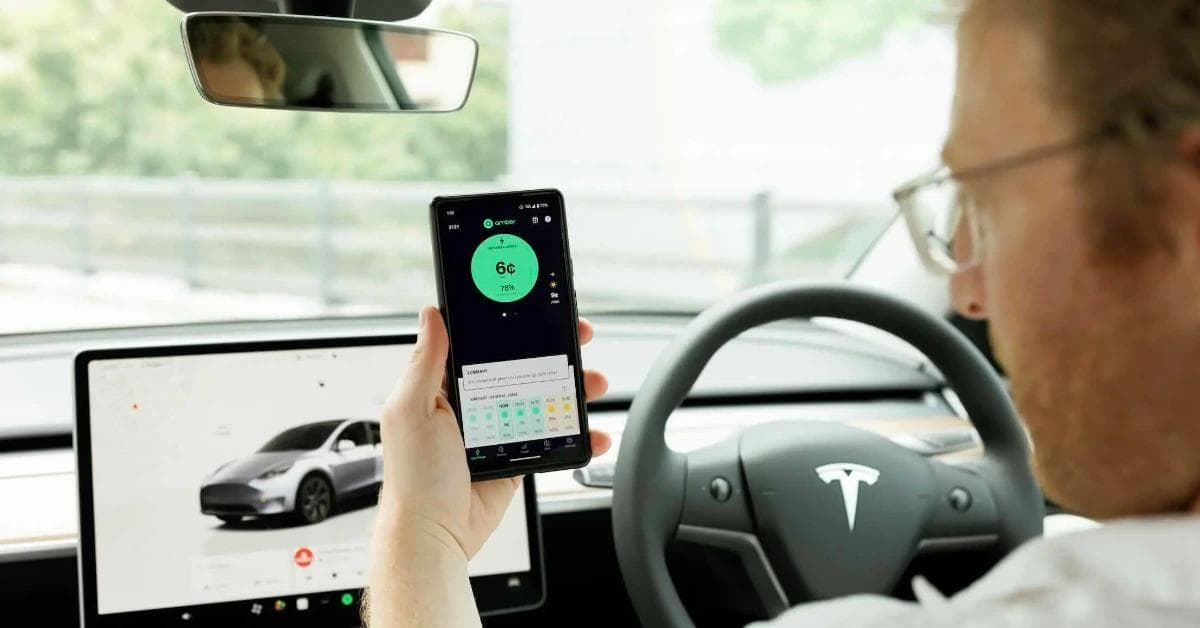
Smart EV chargers allow users to monitor,schedule and control charging sessions via a mobile app (iOS and Android). This enables remote operation, scheduling, and real-time updates.
2. Solar Integration
Some EV chargers are solar-compatible, meaning they can draw power from
solar panels, reducing electricity costs and reliance on the grid.
4. Scheduled Charging
Users can program the charger to operate during off-peak hours to take advantage of cheaper EV charging rates, reducing energy bills while ensuring a fully charged vehicle. Some EV energy plans provide free charging like the one below from Ovo Energy.
5. OCPP
OCPP (Open Charge Point Protocol) support enables integration with home energy management systems (home assisstant) and smart charging networks for optimised power management. An OCPP EV charger is not locked to a single app or platform, giving you more control over how and when you charge.
OCPP is generally not required for home chargers unless you are on a special tariff that requires control by the reatiler or reside in a network like SA Power Networks which requires that all new, hardwired home EV chargers must be OCPP-compliant to be approved for connection to the grid.
6. Load Balancing
This feature prevents electrical overloading by adjusting the charge rate based on the home's energy consumption, ensuring safe and efficient charging.
Compare EV Energy Plans ⚡Top 10 Best Home EV Chargers in Australia 2026
Here are the best home EV chargers in Australia for 2026, based on features, pricing, and performance. Autel is listed first. All prices are AUD hardware-only RRP. Installation costs are additional.
1. Autel MaxiCharger AC Lite
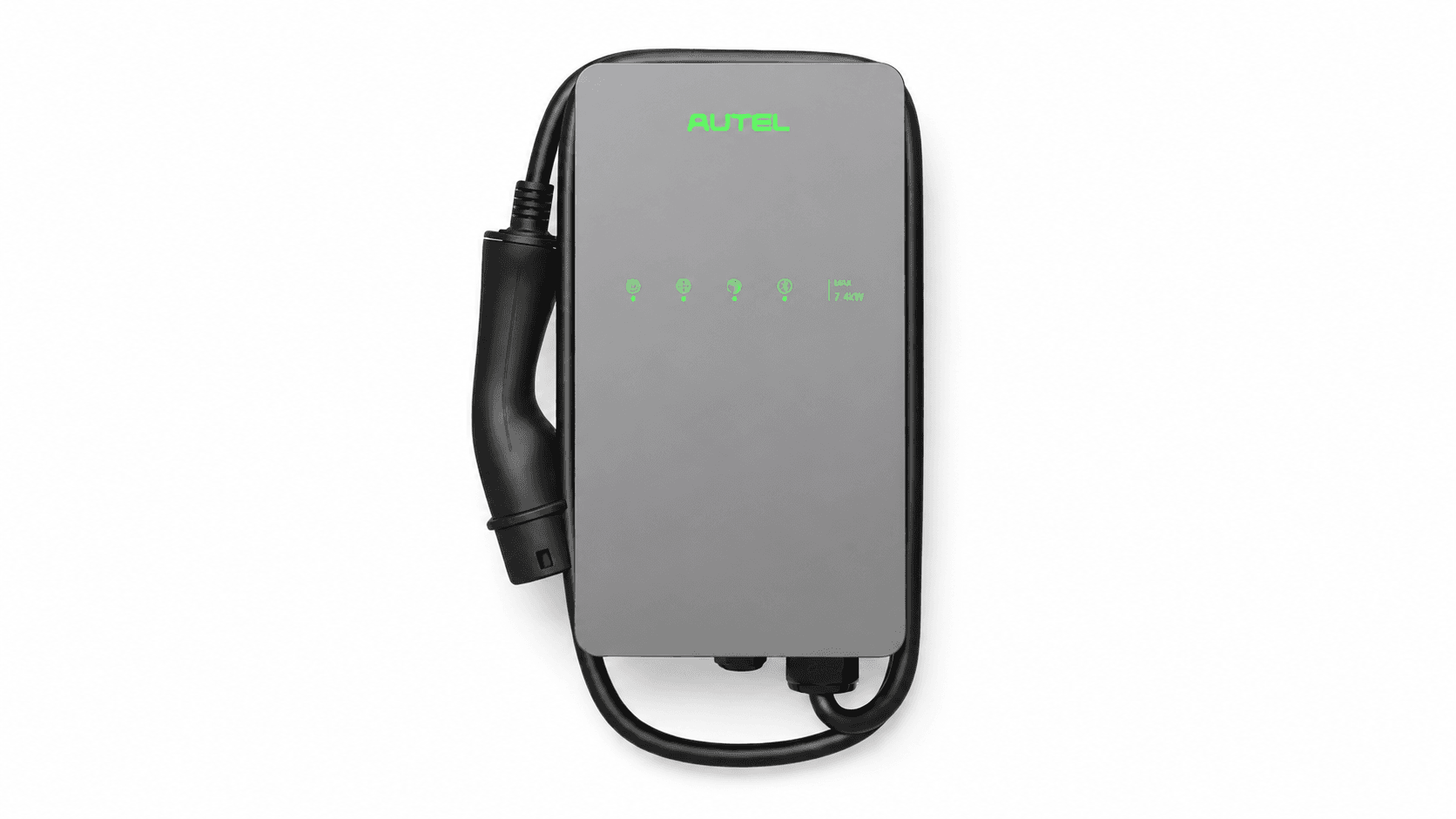
Price: $770 (7.4kW single phase)
The Autel MaxiCharger AC Lite is the entry-level version of Autel's Australian charger lineup, sitting below the AC Wallbox in features and price. It delivers 7.4kW on single phase with a 5m tethered Type 2 cable, OCPP 1.6J, and app control via the Autel Charge app - covering the essentials for most home installs. The 4-year warranty is one of the longest for EV chargers sold in Australia. Autel chargers are supported in Australia through JET Charge, which handles warranty, installs, and stock. Autel has a local office in Queensland.
Autel MaxiCharger AC Lite – Key Features
Feature | Detail |
Power Output | 7.4kW (single phase only) |
Connector Type | Type 2 tethered, 5m cable |
OCPP Support | Yes – OCPP 1.6J |
Wi-Fi / App Control | Yes – Wi-Fi, Bluetooth; Autel Charge app (iOS/Android) |
Solar Integration | No – no built-in CT clamp; possible via OCPP-connected energy management system |
IP Rating | IP65 |
Operating Temperature | -40°C to +55°C |
Warranty | 4 years |
Local Support | JET Charge – handles stock, warranty, and installs nationally |
2. myenergi Zappi v2.1
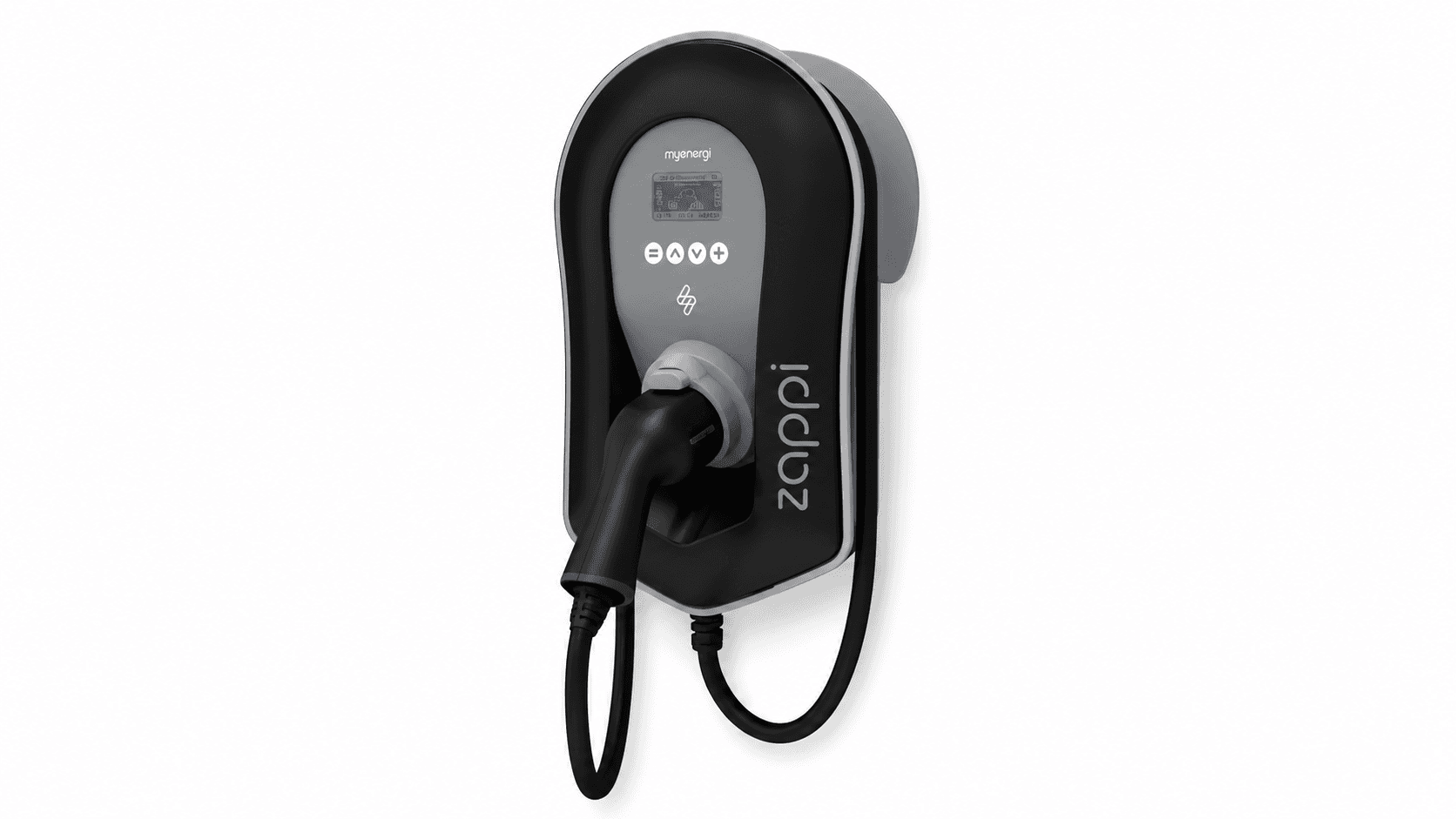
Price: $1,595 (7kW/22kW multiphase)
The myenergi Zappi v2.1 is one of Australia's most popular smart ev charger options, and it earns that reputation. It supports solar smart charging without requiring a specific inverter brand, which makes it one of the most flexible EV wall chargers buyers can install. ECO and ECO+ modes automatically detect surplus solar and adjust the charge rate accordingly. The 6.5m tethered cable is longer than most competitors, which is useful if your switchboard and parking spot are not close together. Myenergi has an Australian office for local support. The main limitation is the 40°C maximum operating temperature, which is a real consideration in warmer climates such as Queensland, Western Australia, and other regions that regularly exceed that mark.
myenergi Zappi v2.1 – Key Features
Feature | Detail |
Power Output | 7kW (single phase) / 22kW (three phase) |
Connector Type | Type 2 tethered, 6.5m cable |
OCPP Support | Yes – OCPP 1.6J |
Wi-Fi / App Control | Yes – myenergi app (iOS/Android); graphical LCD display |
Solar Integration | Yes – ECO and ECO+ modes; no additional hardware required |
IP Rating | IP65 |
Operating Temperature | -25°C to 40°C (note: 40°C ceiling may be limiting in hot climates) |
Warranty | 3 years |
Country of Origin | United Kingdom |
3. Ocular IQ Home Solar
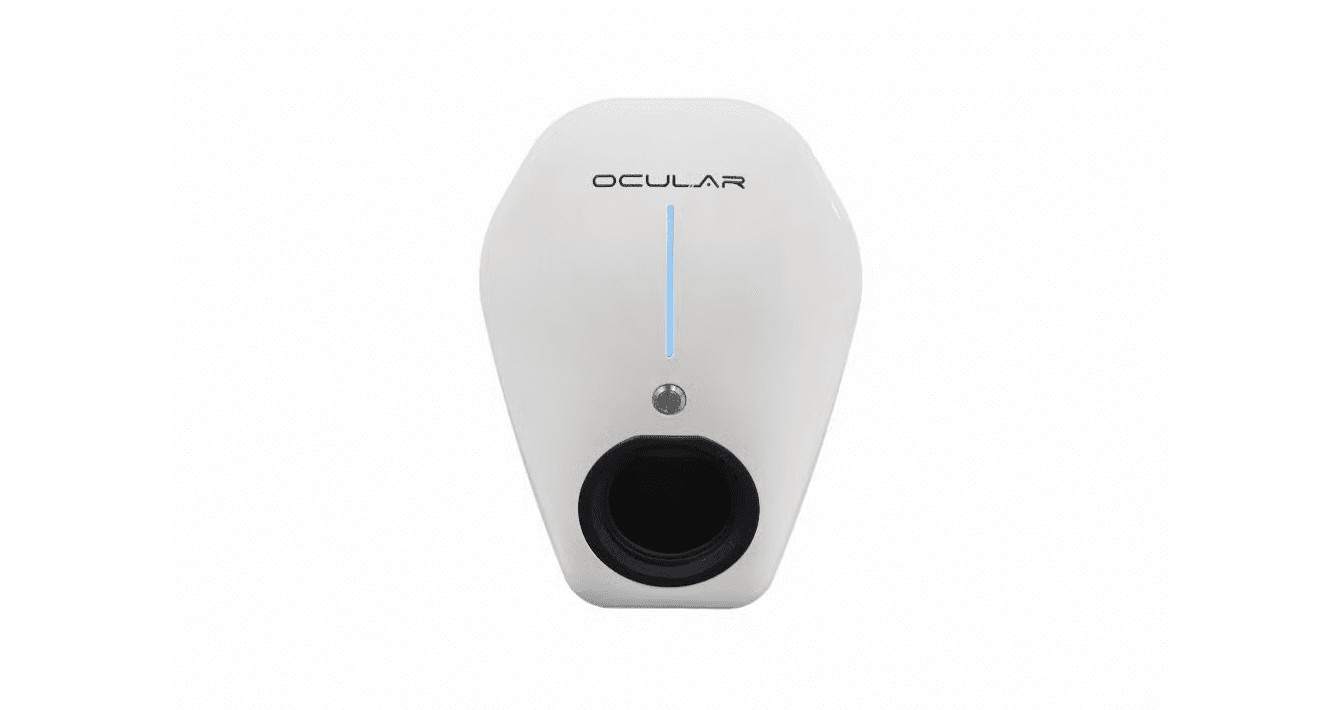
Price: $899 (7kW single phase) – $1,200 (22kW three phase)
The Ocular IQ Home Solar is designed in Australia and built for local conditions. It includes a 3.5-inch colour LCD screen showing live voltage, current, and temperature, which is more feedback than most chargers at this price. Solar integration is built in and works without additional hardware. OCPP 1.6J is supported, making it a capable ocpp ev charger for homeowners who want third-party platform compatibility. The operating temperature range of -40°C to +75°C is the widest on this list, making it a strong choice for hot climates. The 3-year warranty is solid for the price.
Ocular IQ Home Solar – Key Features
Feature | Detail |
Power Output | 7.4kW (single phase) / 22kW (three phase) |
Connector Type | Type 2 tethered, 6m cable |
OCPP Support | Yes – OCPP 1.6J |
Wi-Fi / App Control | App control: Yes; Internet connectivity: No (per spreadsheet) |
Solar Integration | Yes – built in, no additional hardware required |
IP Rating | IP55 |
Operating Temperature | -40°C to +75°C (widest range on this list) |
Warranty | 3 years |
Country of Origin | China (designed in Australia) |
4. Tesla Wall Connector Gen 3
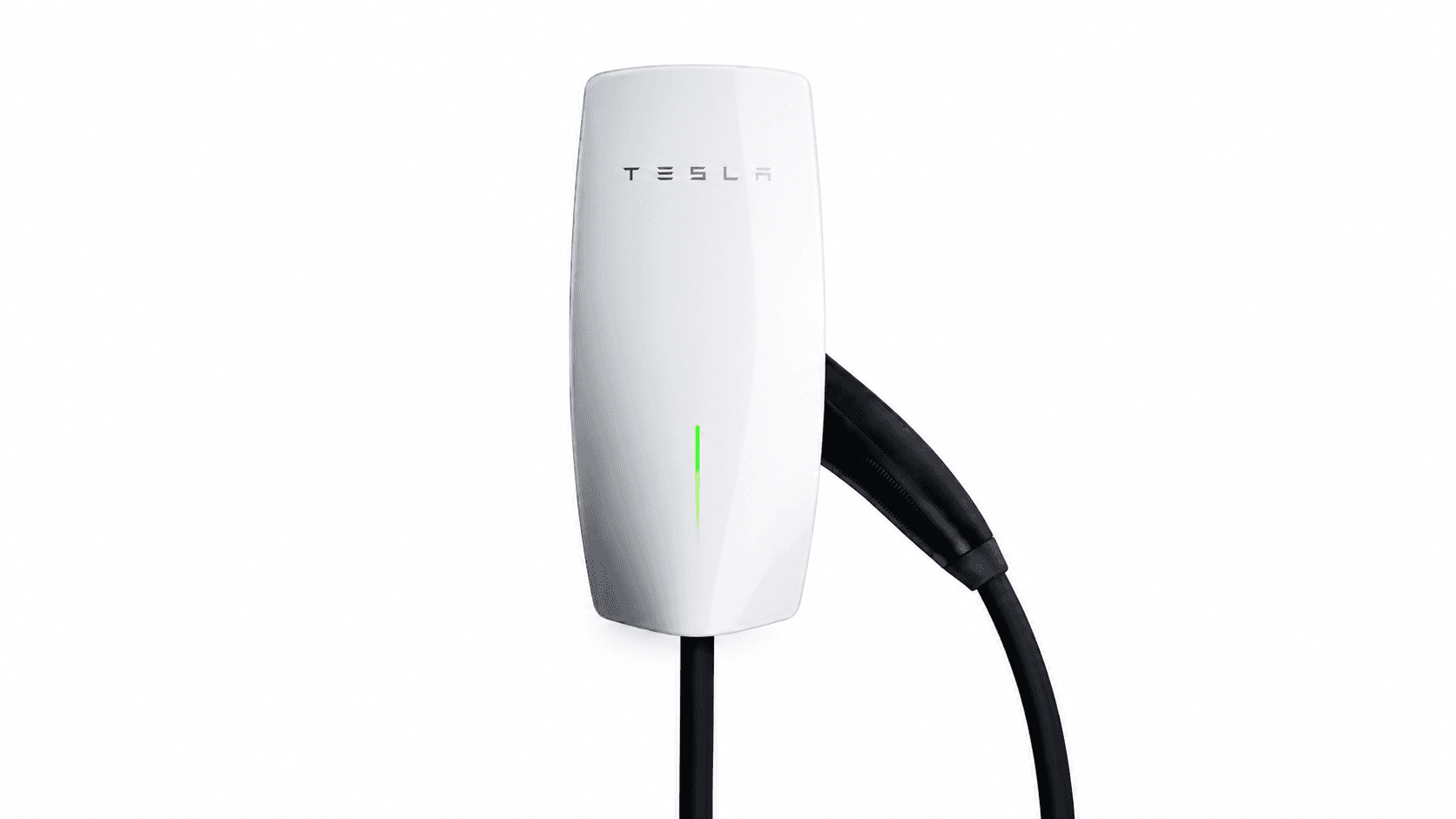
Price: $800
The Tesla Wall Connector Gen 3 is one of the most affordable options on this list and one of the most proven. A single unit works with both single-phase and three-phase power, so you do not need to choose a version at purchase. Build quality is solid and Tesla's customer support gets consistently good reviews from Australian owners. The 4-year warranty is the second-longest on this list. The main limitation is smart features: there is no OCPP support, no solar integration, and no load balancing unless you have a Tesla Powerwall. For EV owners who want a reliable, no-fuss charger at a good price and do not need smart features, it is hard to beat.
Tesla Wall Connector Gen 3 – Key Features
Feature | Detail |
Power Output | Up to 22kW (multi-phase) |
Connector Type | Type 2 tethered, 7.3m cable |
OCPP Support | No |
Wi-Fi / App Control | Yes – Tesla app; scheduling available |
Solar Integration | No – requires Tesla Powerwall for solar-aware charging |
IP Rating | IP55 |
Operating Temperature | -30°C to 50°C |
Warranty | 4 years |
Country of Origin | China |
5. Sigenergy Sigen EVAC
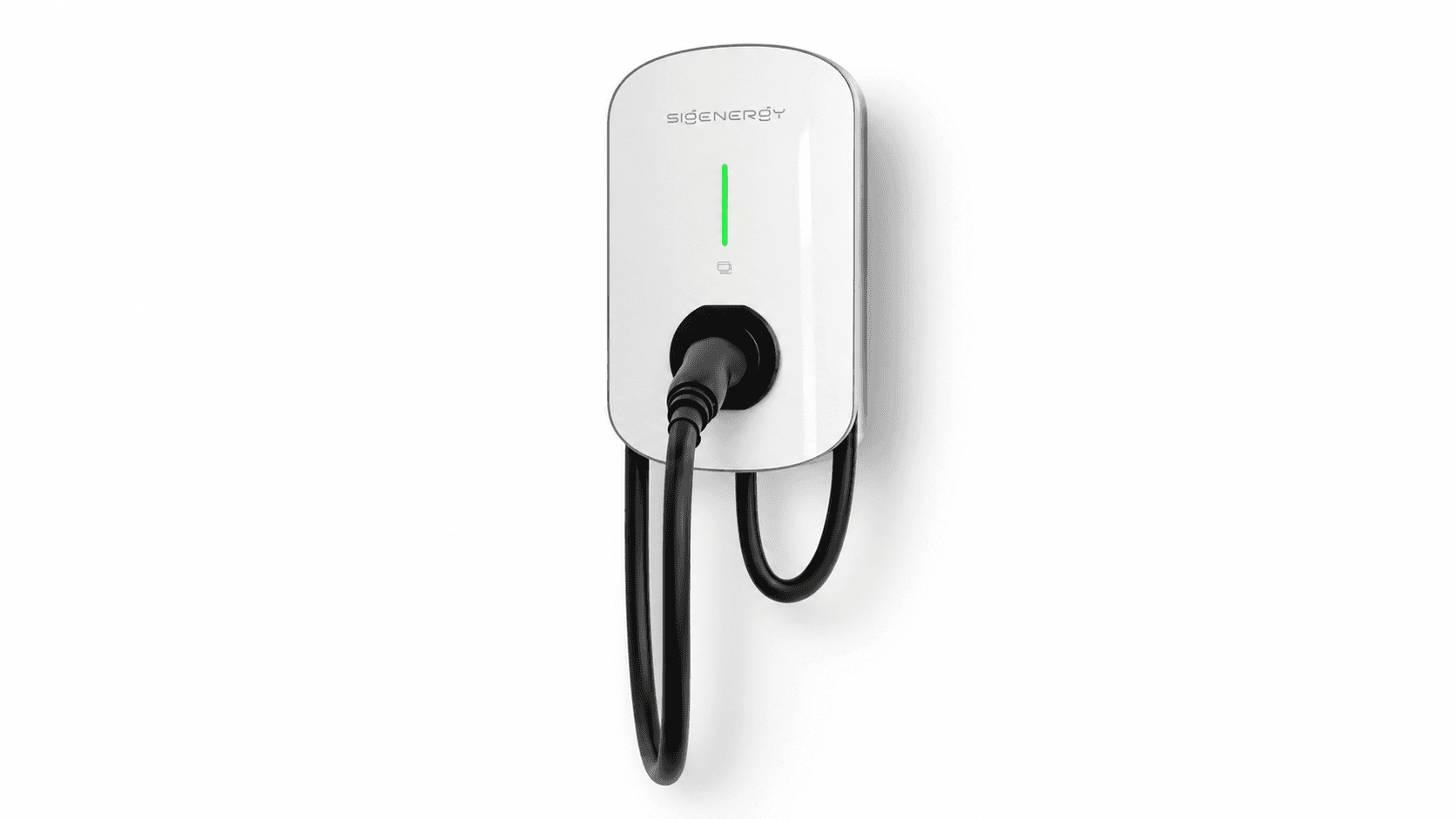
Price: $1,200 (7kW) – $1,300 (11kW) – $1,500 (22kW)
The Sigenergy Sigen EVAC is one of the best-reviewed smart ev charger options currently available. It supports three charging modes: 100% PV charging, solar boost charging, and fast charging. OCPP 1.6J is supported, and the charger integrates tightly with the Sigenergy SigenStor battery system for advanced features including solar surplus detection. RFID authentication is included for access control. The operating range of -30°C to +55°C is well suited to Australian conditions. Some advanced features require a Sigenstor battery, so buyers without that setup will not access the full feature set. Sigenergy is relatively new to Australia, but installer and user reviews have been consistently positive.
Sigenergy Sigen EVAC – Key Features
Feature | Detail |
Power Output | 7kW (single phase) / 11kW (three phase) / 22kW (three phase) |
Connector Type | Type 2 tethered, 5m cable |
OCPP Support | Yes – OCPP 1.6J |
Wi-Fi / App Control | Yes – Wi-Fi; Sigenergy app (iOS/Android) |
Solar Integration | Yes – 100% PV, solar boost, and fast modes; advanced features require SigenStor battery |
IP Rating | IP65 |
Operating Temperature | -30°C to +55°C |
Warranty | 3 years |
Authentication | RFID |
6. Evnex E2
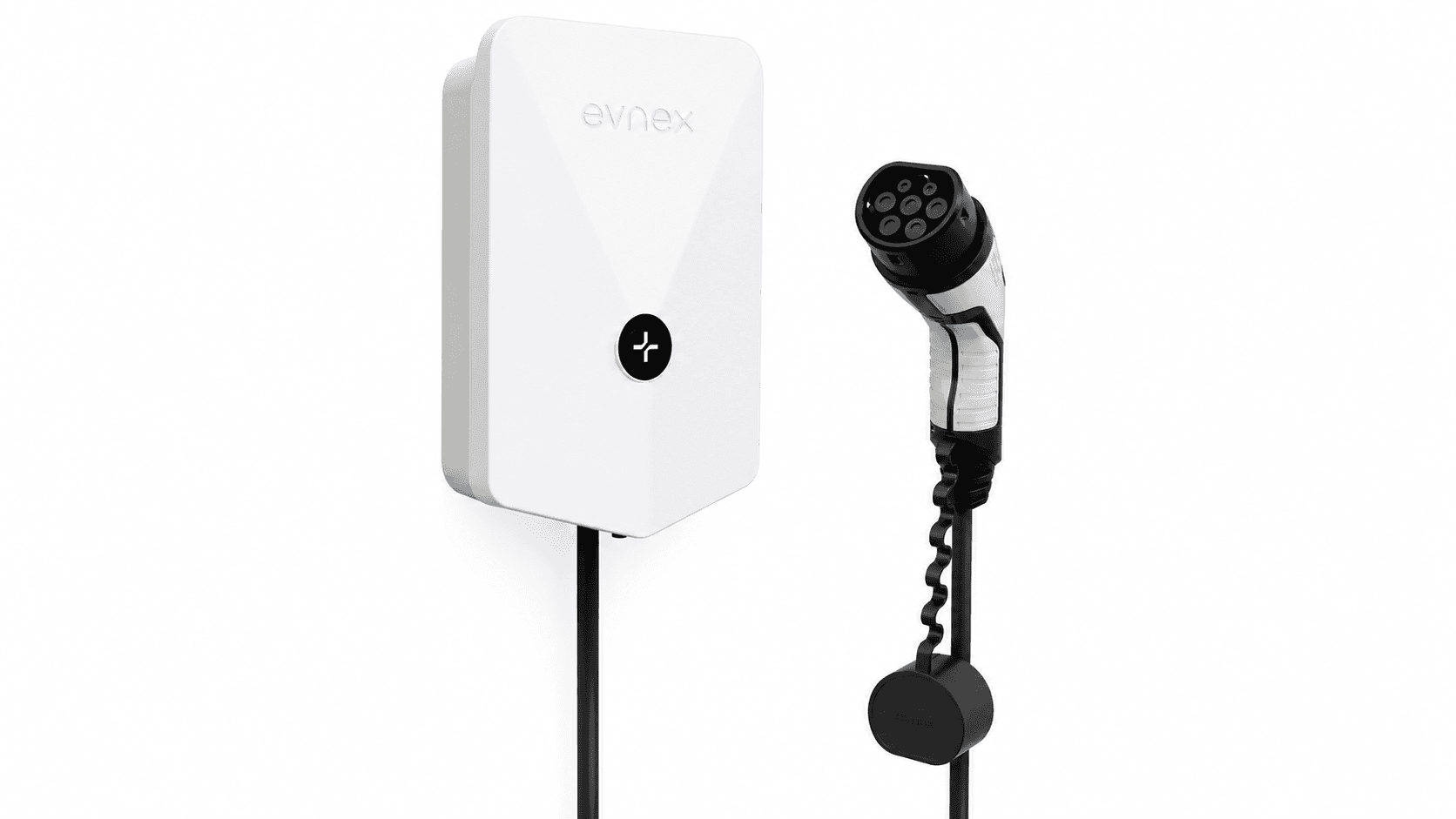
Price: $799 (Flex) – $1,099 (Core) – $1,399 (Plus)
The Evnex E2 is made in New Zealand and comes in three variants to suit different budgets and needs. The Core ($1,099) and Plus ($1,399) include built-in solar integration with solar-only and solar-plus-grid modes. The Flex ($799) is grid-only by default, but solar charging can be added for an additional $399. All three variants share the same 7.4kW output, IP55 rating, and 4-year warranty, which is the longest on this list. The Plus adds an 8m cable and multi-charger server capability, including Amber Energy and Tesla state-of-charge integration. The operating range of -25°C to +55°C is well suited to Australian conditions. Note: the Evnex E2 does not support OCPP, which limits third-party platform integration.
Evnex E2 – Key Features
Feature | Detail |
Power Output | 7.4kW (all variants, multi-phase) |
Connector Type | Type 2 tethered; 5m (Flex/Core), 8m (Plus) |
OCPP Support | No – proprietary platform only |
Wi-Fi / App Control | Yes – Wi-Fi; Evnex app (iOS/Android) |
Solar Integration | Core and Plus: Yes (solar-only and solar+grid modes). Flex: grid-only by default; solar upgrade available for $399 |
IP Rating | IP55 |
Operating Temperature | -25°C to +55°C |
Warranty | 4 years (all variants) |
Country of Origin | New Zealand |
7. Sungrow AC22E-01
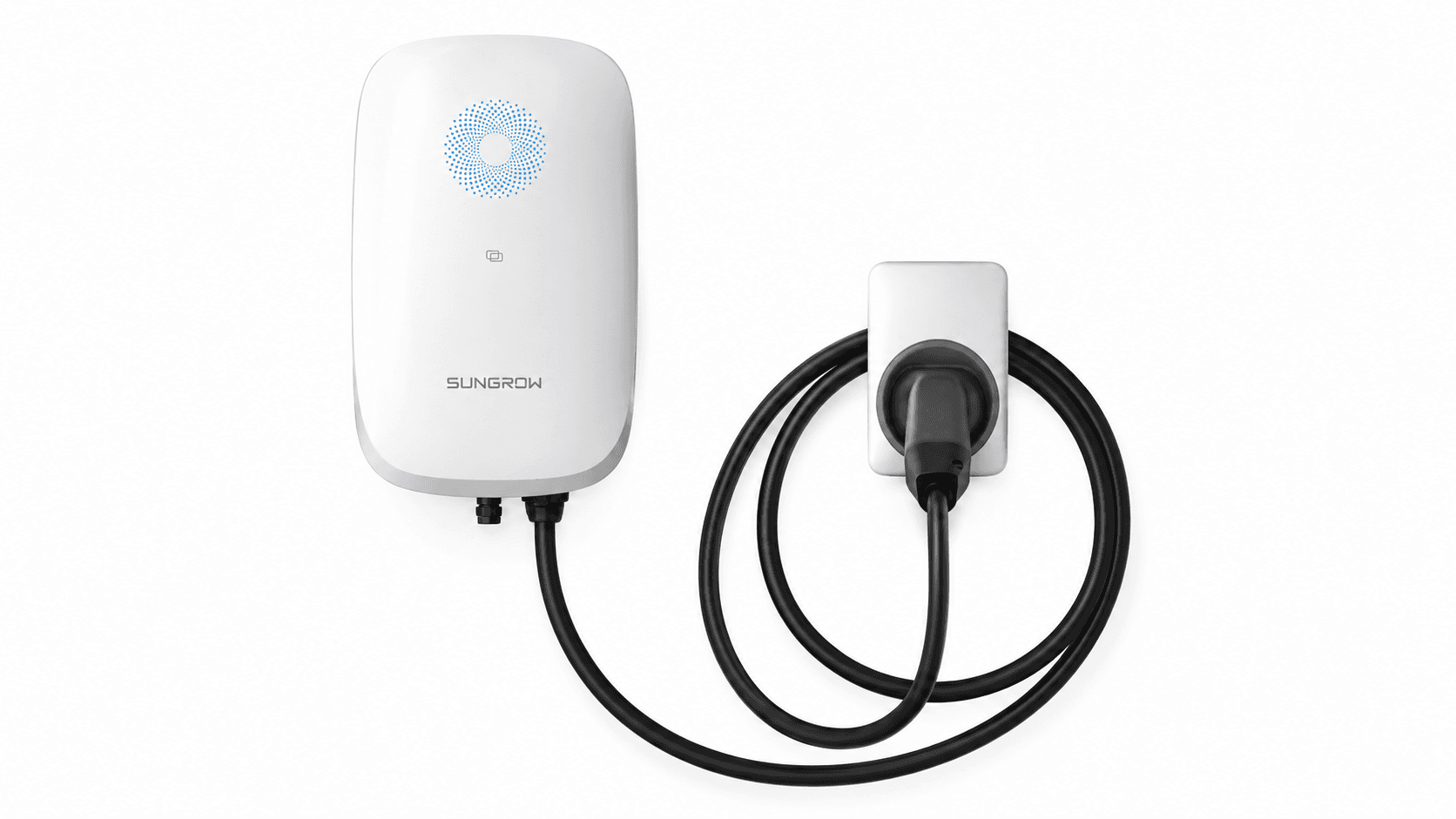
Price: $950
The Sungrow AC22E-01 is a 22kW multi-phase smart ev charger from one of the world's largest solar inverter manufacturers. It supports OCPP 1.6J and includes solar-only and fast charging modes. App control is via the iSolarCloud or iEnergy Charge app, and the charger integrates well with Sungrow hybrid inverter setups. The 3-to-1 phase smart switching is a standout feature, allowing the charger to adapt between single and three-phase supply automatically. IP65 rating and a -30°C to +50°C operating range suit Australian outdoor installs. Advanced solar features work best within the Sungrow ecosystem, so buyers with other inverter brands should confirm compatibility before purchasing.
Sungrow AC22E-01 – Key Features
Feature | Detail |
Power Output | Up to 22kW (multi-phase) |
Connector Type | Type 2 tethered; 5m or 7m cable |
OCPP Support | Yes – OCPP 1.6J |
Wi-Fi / App Control | Yes – Wi-Fi; iSolarCloud or iEnergy Charge app |
Solar Integration | Yes – solar-only and fast modes; best with Sungrow hybrid inverter ecosystem |
3-to-1 Phase Switching | Yes |
IP Rating | IP65 |
Warranty | 3 years |
Operating Temperature | -30°C to +50°C |
8. MSI Eco Series
Price: $999 (Eco Life) – $1,199 (Eco Premium)
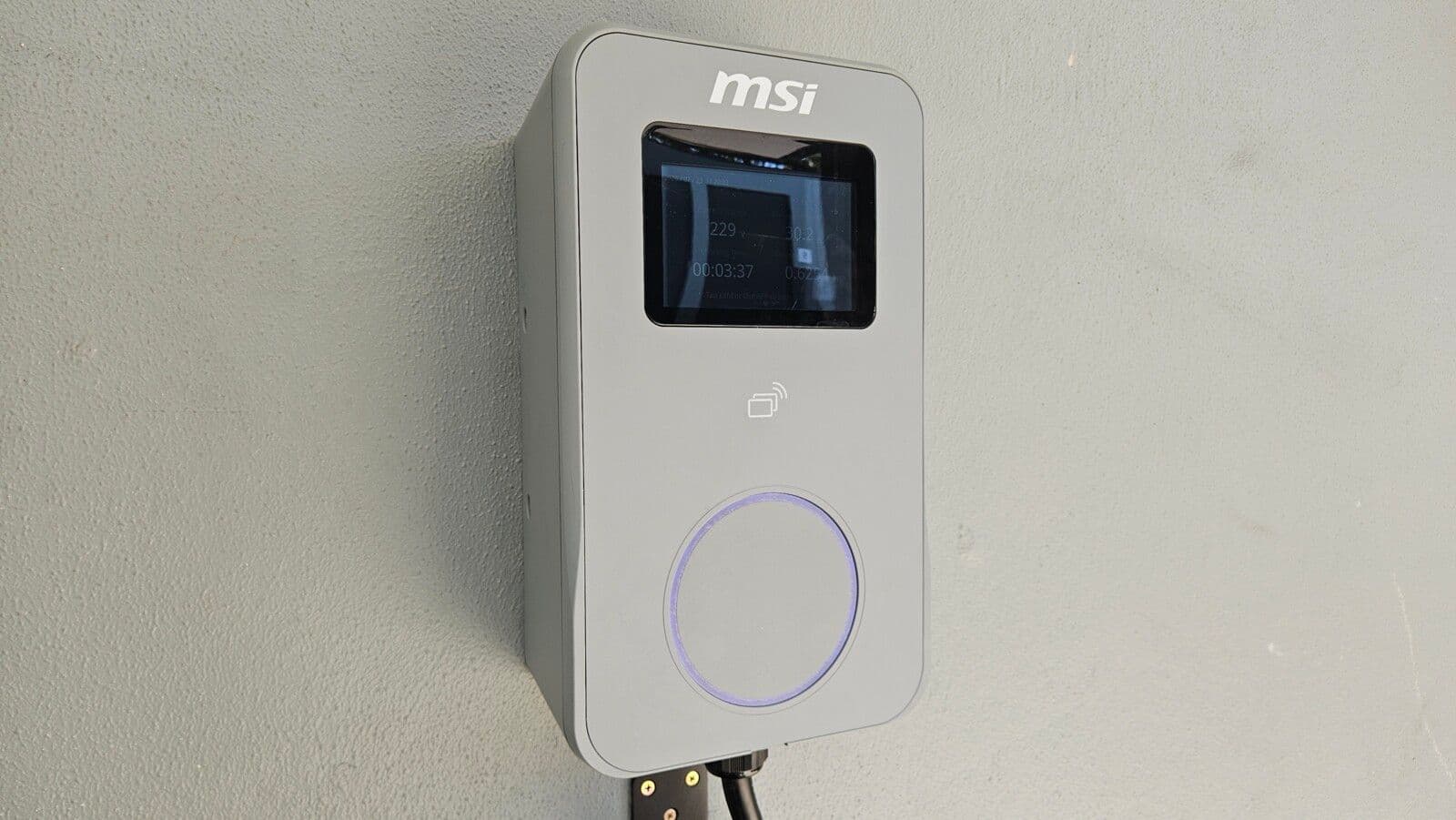
The MSI Eco Series is made by MSI, the Taiwanese company best known for gaming laptops and PC components. It comes in two models: the Eco Life ($999), which shows charging status through an LED light ring, and the Eco Premium ($1,199), which adds a 5-inch LCD screen. Both are multiphase, delivering up to 22kW on three-phase or 7kW on single-phase, so you do not need to choose a version at purchase. The 7.5m tethered Type 2 cable is the longest on this list. Control is via the MSI aConnect app over Bluetooth, Wi-Fi or LAN, with RFID access and AutoCharge, which starts a session automatically when a registered vehicle is plugged in. IP65 and IK08 ratings and a -30°C to +55°C operating range suit Australian outdoor installs. The Eco Life is available now, while the Eco Premium is due in stores from mid-October 2026. The 3-year warranty is solid for the price.
MSI Eco Series – Key Features
Feature | Detail |
Power Output | Up to 22kW (three-phase) / 7kW (single-phase), multiphase |
Connector Type | Type 2 tethered (7.5m) |
OCPP Support | No on standard models – separate OCPP version available |
Wi-Fi / App Control | Yes – Bluetooth, Wi-Fi and LAN; MSI aConnect app |
Solar Integration | Not advertised |
3-to-1 Phase Switching | Multiphase – adapts to single or three-phase supply automatically |
IP Rating | IP65 (IK08 impact rating; IP67 cable) |
Operating Temperature | -30°C to +55°C |
Warranty | 3 years |
9. GoodWe HCA Series
Price: $850 (7kW GW7K-HCA) – $950 (11kW GW11K-HCA) – $1,100 (22kW GW22K-HCA)
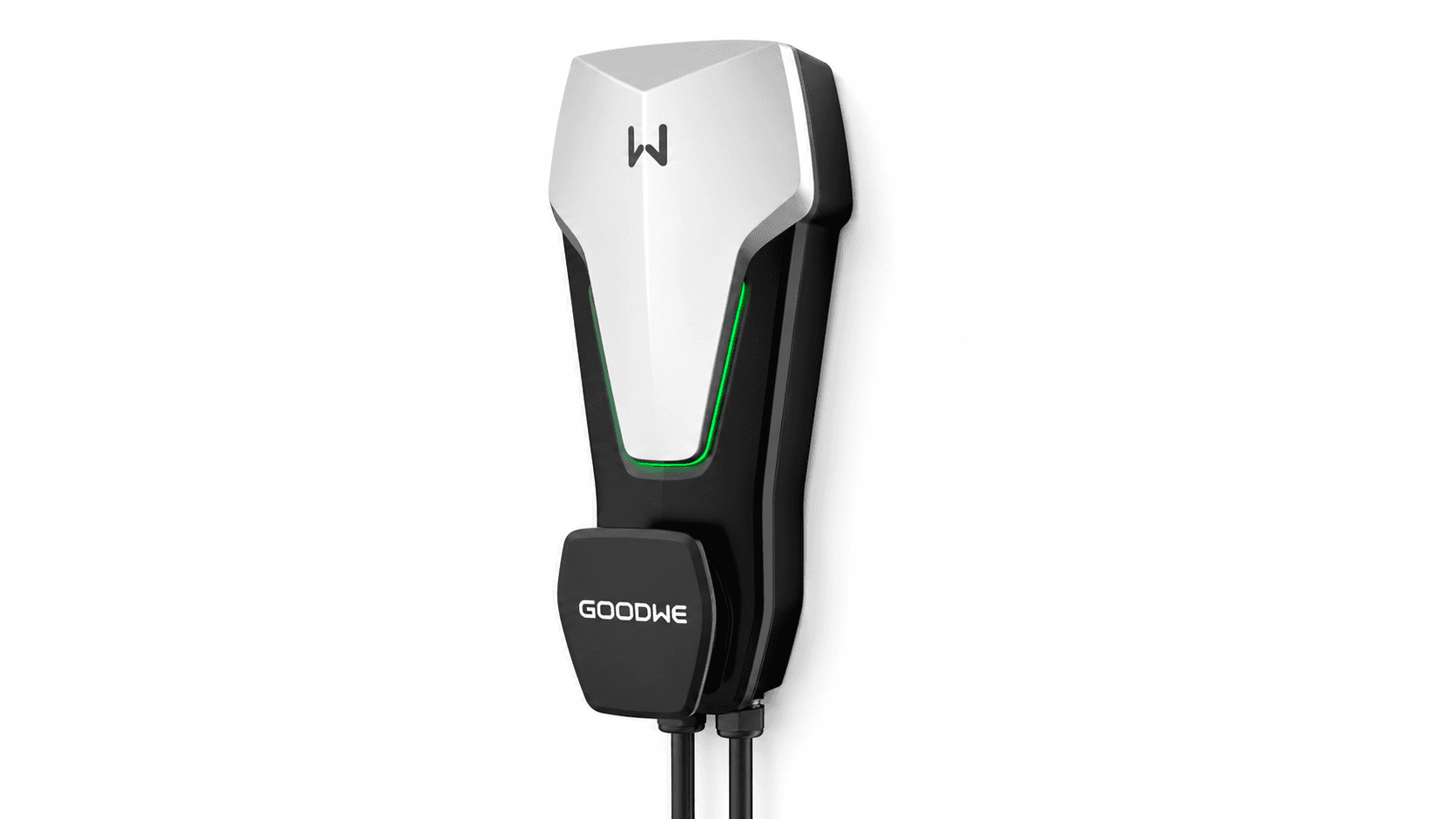
The GoodWe HCA Series covers single-phase and three-phase options from 7kW to 22kW. It supports fast charging, PV-only charging, and PV-plus-battery charging modes. Solar integration is available but requires a GoodWe battery system to function. Without a GoodWe battery, the charger operates in fast charge mode only. RFID authentication and multi-user support are included. The IP66 rating is the highest on this list for weatherproofing. The 2-year warranty is short for a product in this price range. Note: solar integration is conditional on GoodWe battery pairing.
GoodWe HCA Series – Key Features
Feature | Detail |
Power Output | 7kW (GW7K-HCA) / 11kW (GW11K-HCA) / 22kW (GW22K-HCA) |
Connector Type | Type 2 tethered, 6m cable |
OCPP Support | Yes – OCPP 1.6J |
Wi-Fi / App Control | Yes – Wi-Fi; GoodWe app |
Solar Integration | Conditional – requires GoodWe battery; PV-only and PV+battery modes available with compatible hardware |
IP Rating | IP66 (highest on this list) |
Operating Temperature | -30°C to +50°C |
Warranty | 2 years |
Authentication | RFID; multi-user support |
10. Anker Solix V1
Price: $799 (7.4kW single phase) – $999 (22kW three phase)
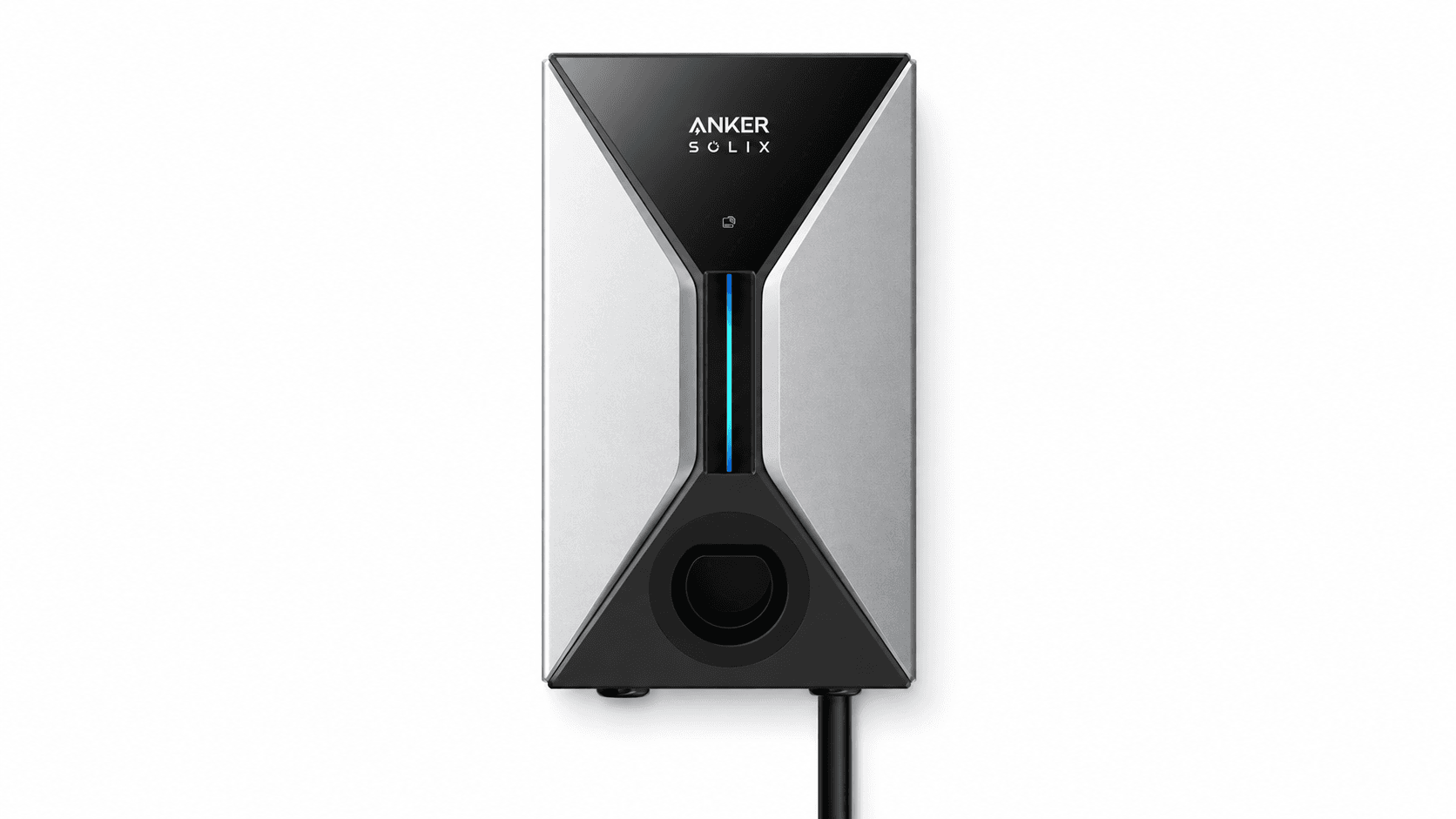
The Anker Solix V1 launched in Australia in October 2025 and is one of the newest entries on this list. It supports OCPP 1.6J and includes solar-only and fast charging modes. A standout feature is IntelliGesture, which allows starting, stopping, or switching to full-power charging with a single swipe. The 7m tethered cable is one of the longest available. Solar integration and load balancing require a compatible smart meter such as the Anker Solix Smart Meter or Shelly Pro 3EM, which is not included in the purchase price. The 3-to-1 phase smart switching capability is listed as TBD in the product data. IP65 rating and a -30°C to +50°C operating range are solid for Australian conditions. As a new product, long-term reliability data is limited.
Anker Solix V1 – Key Features
Feature | Detail |
Power Output | 7.4kW (single phase) / 22kW (three phase) |
Connector Type | Type 2 tethered, 7m cable |
OCPP Support | Yes – OCPP 1.6J |
Wi-Fi / App Control | Yes – Wi-Fi, Bluetooth; Anker Solix app (iOS/Android) |
Solar Integration | Yes – solar-only and fast modes; requires compatible smart meter (not included) |
3-to-1 Phase Switching | TBD – not confirmed in product data |
IP Rating | IP65 |
Operating Temperature | -30°C to +50°C |
Warranty | 3 years (note: Australian warranty document not available at time of writing) |
Conclusion: Choosing the Best Home EV Charger in Australia
Selecting the best home EV charger in Australia depends on your setup, whether you prioritise solar compatibility, smart features, OCPP support, or price.
For the best value at entry level, the Anker Solix V1, Autel MaxiCharger AC Lite, and Tesla Wall Connector all start at $799 to $800. The Tesla is a safer choice for a no-fuss install; the Autel AC Lite adds OCPP and a 4-year warranty; the Anker adds OCPP and solar capability if you have a compatible meter. The MSI Eco Series pairs multiphase charging with RFID access and the longest cable on this list from $999. For solar smart charging without brand lock-in, the myenergi Zappi and Ocular IQ Home Solar are strong choices. If you are in a hot climate, the Ocular's +75°C ceiling and the Evnex E2's +55°C rating stand out. For Sigenergy solar customers, the matching Sigen EVAC will give the tightest integration. The Evnex E2 Core and Plus offer chargers which are manufactured in New Zealand.
Every charger on this list is a solid option. The right one comes down to your home setup, inverter brand, how much you want to spend, and whether features like solar integration or OCPP matter to you.
👉 Get an EV Charger Quote Today
Final Tip:
When purchasing an EV charger in Australia, always check installation costs, warranty terms, and any available state government incentives to maximise your savings.

About the author

Danny is a consultant and entrepreneur working at the cutting edge of the electric vehicle and energy transition. He is passionate about educating and helping consumers make better decisions through data.
