Key Points
- Nio’s Firefly EV is expected to launch in Australia before the end of 2026.
- The compact electric hatch targets premium rivals like Mini, Volvo EX30 and Smart #1.
- Australian models are expected to offer up to 330km WLTP driving range.
- Firefly uses a rear-wheel-drive setup with up to 120kW of power.
- Pricing is expected to sit above $40,000 before on-road costs.
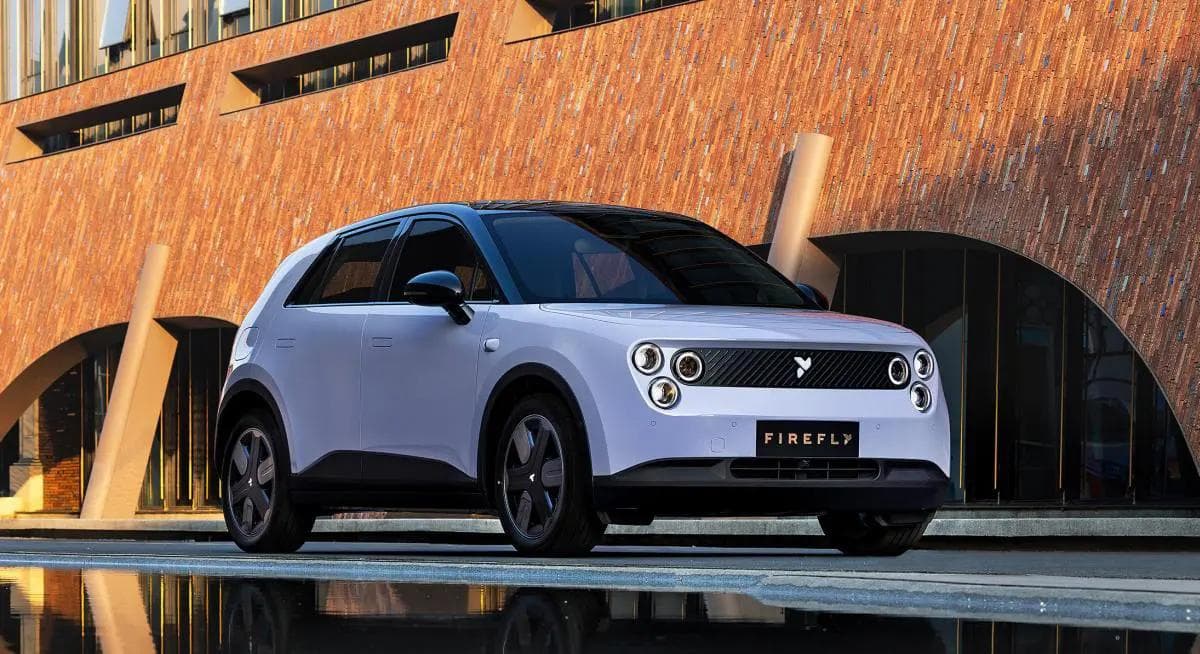
Nio’s quirky new Firefly electric hatchback is shaping up as one of the more interesting EV arrivals headed to Australia, with the Chinese brand now indicating local deliveries are likely to begin before the end of 2026.
The compact EV has already been spotted testing on Australian roads and is now being produced in right-hand drive for several global markets, including Australia, the UK, New Zealand, Singapore and Thailand.
But unlike many new Chinese EVs entering the market, Firefly is not chasing bargain-basement pricing. Instead, Nio says the brand is positioning itself as a premium small-car alternative aimed directly at the Mini Cooper, Volvo EX30 and Smart #1 rather than low-cost rivals from BYD, MG and Geely.
That means Australian pricing is expected to land above $40,000 before on-road costs, potentially making it one of the more expensive compact EV hatchbacks in the segment.
▶️MORE: Nio Firefly Confirmed In For Australia
When is the Firefly EV coming to Australia?
Nio’s global Firefly boss Daniel Jin says Australia has been part of the plan from the very beginning.
Speaking at the Beijing motor show, Jin confirmed the company had already started local homologation work and is currently discussing distribution opportunities with Australian partners.
“We planned right-hand drive from day one,” Jin said.
“As a result, Australia, UK, New Zealand, Singapore and Thailand are definitely our target markets.”
“Starting from last year, we started to do the homologation in Australia, and right now, we are also discussing with some local dealers to talk about the opportunity to bring Firefly into Australia as a general distributor model.”
While an exact launch date has not yet been locked in, the company says a 2026 arrival is now “highly likely”, rather than slipping into 2027 as previously expected.
The reference to a “general distributor” suggests Firefly may enter Australia through an independent importer model similar to Ateco or Inchcape rather than a direct factory-owned retail network.
▶️MORE: Nio Firefly Approved In Australia As First EV With Battery Swapping
Why is Firefly targeting Mini instead of BYD?
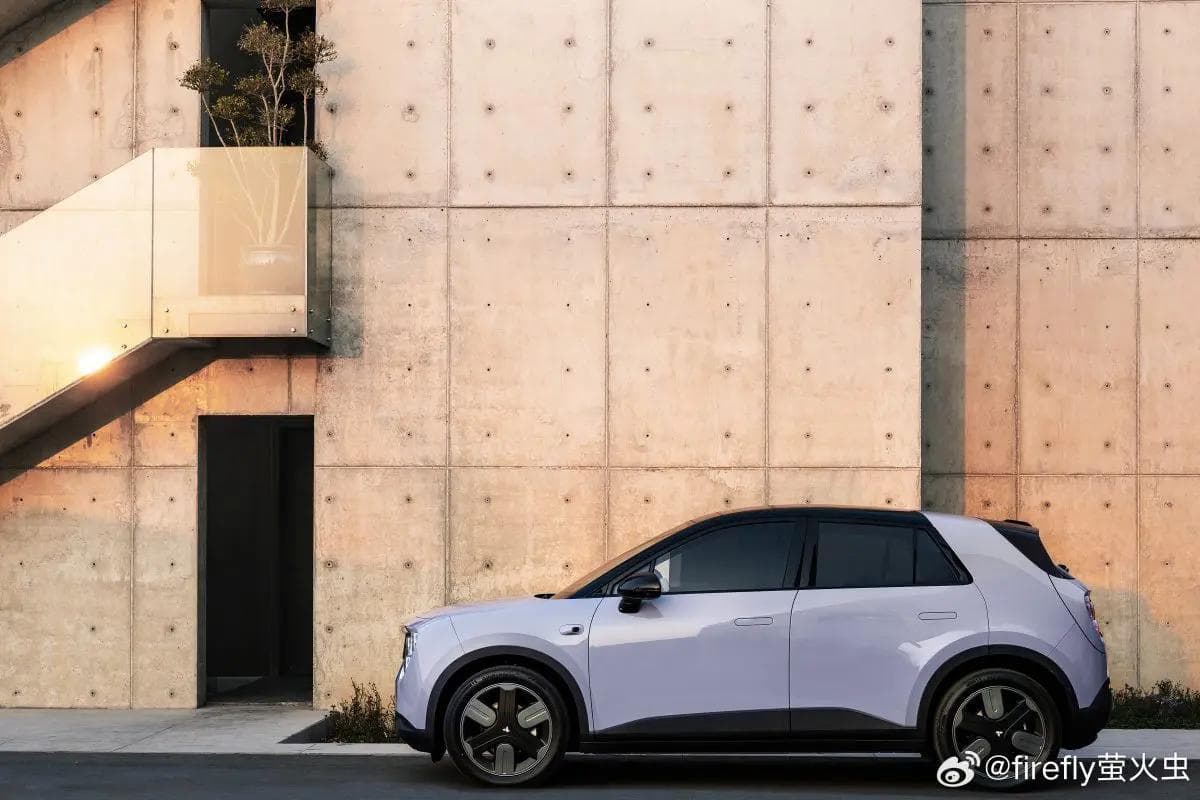
Despite its small footprint and city-focused design, Firefly is deliberately positioning itself above mainstream affordable EV brands.
In China, Jin says the brand competes in what Nio describes as the “premium small car” segment.
“We target the Mini in China. Mini, Volkswagen ID.3, Volvo EX30 and the Smart #1,” he explained.
“We don’t want to compete with BYD, with Geely, because in China it’s a completely different segment.”
That positioning becomes clearer when looking at pricing overseas.
In the Netherlands, the Firefly is priced between €29,990 and €32,500, equivalent to roughly A$48,700 to A$52,800. That places it much closer to premium European compact EVs than value-focused Chinese hatchbacks.
By comparison:
- MG4 Urban starts from around $34,990 drive-away in Australia
- Volvo EX30 starts from $49,990 plus on-road costs
- Smart #1 starts from $54,900 plus on-roads
- Mini Cooper EV pricing currently begins above $58,000
Jin acknowledged Firefly would likely need to undercut Mini slightly in Australia while the brand builds recognition.
“Mini has such a long heritage and it’s a BMW Group premium brand,” he said.
“We are nobody from day one, so we need some time.”
“Lower, a little bit lower, but definitely higher than those value-for-money brands.”


What specs and range will the Firefly offer?
The Firefly may focus on premium positioning, but it still arrives with competitive EV fundamentals for urban buyers.
Australian approval documents reveal the EV uses:
- A rear-wheel-drive layout
- Single electric motor
- 41.2kWh battery pack
- 320km to 330km WLTP driving range
Early models are equipped with a 105kW and 200Nm electric motor, although updated Chinese versions have already received a more powerful 120kW setup.
That newer drivetrain trims the claimed 0-100km/h acceleration time from 8.1 seconds to 7.9 seconds.
Fast charging capability also appears respectable for a compact EV. Nio claims European-market versions can recharge from 10 to 80 per cent in around 29 minutes using DC fast charging at up to 100kW.
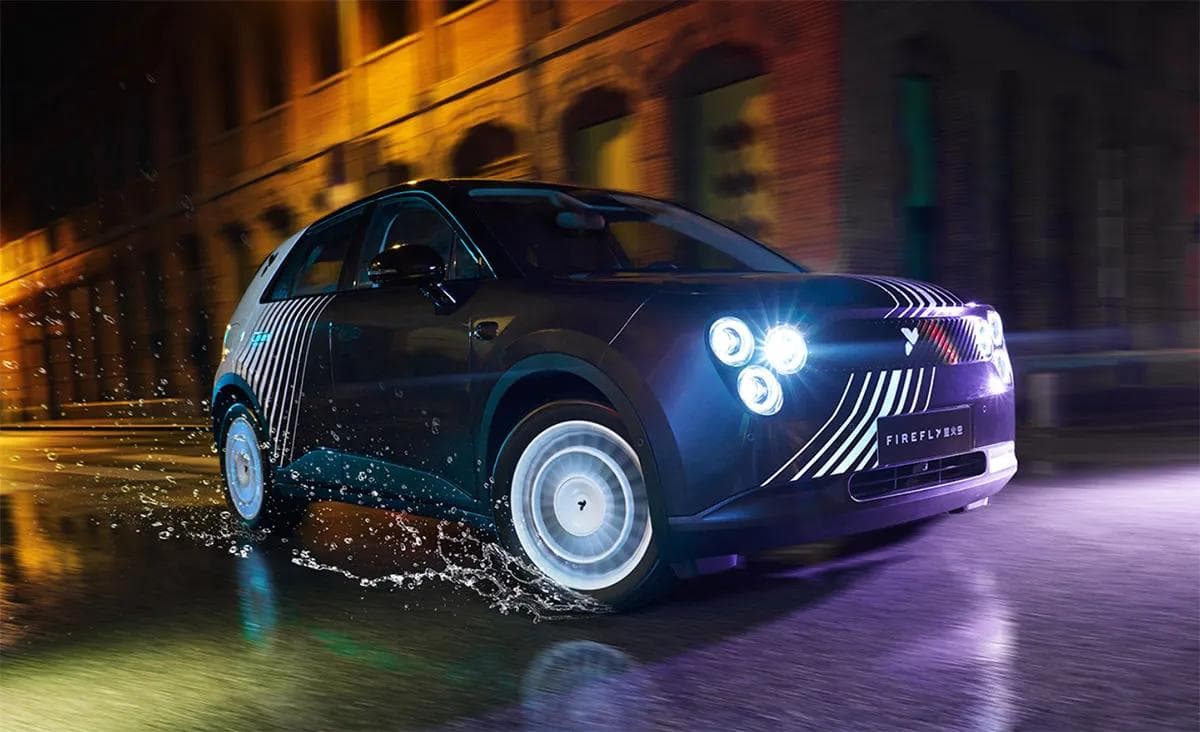
▶️MORE: Nio Firefly Unveils “Night Creature” Special Edition
Firefly EV preliminary specifications
| Category | Specification | Details |
| Vehicle | Firefly EV | Premium compact electric hatch |
| Brand | Firefly / Nio | New premium EV sub-brand |
| Australian arrival | Expected by end of 2026 | Right-hand drive confirmed |
| Drive layout | Rear-wheel drive | Single-motor setup |
| Standard motor output | 105kW | Australian approval version |
| Torque | 200Nm | Rear electric motor |
| Updated motor output | 120kW | New China-market version |
| Battery capacity | 41.2kWh | Lithium-ion battery |
| WLTP range | 320km–330km | European testing cycle |
| 0-100km/h | 7.9–8.1 seconds | Depending on motor version |
| DC fast charging | Up to 100kW | Rapid charging capability |
| Fast charge time | 10–80% in 29 minutes | Claimed figure |
| Market positioning | Premium small EV | Mini and EX30 rival |
| Key rivals | Mini Cooper EV | Volvo EX30, Smart #1 |
| European pricing | €29,990–€32,500 | Around A$48k–A$52k |
| Expected Australian pricing | Above $40,000 | Before on-road costs |
| Target markets | Australia, UK, NZ, Singapore, Thailand | Global RHD rollout |
| Distribution model | Independent distributor | Similar to Ateco/Inchcape |
What could Firefly mean for Australia’s EV market?
The arrival of Firefly would add another layer to Australia’s rapidly expanding EV market.
Until recently, many Chinese brands entering Australia focused heavily on affordability. Firefly is taking a different approach by targeting buyers who want compact dimensions and premium styling without stepping into luxury EV pricing territory.
That strategy could appeal particularly to urban Australian buyers looking for:
- Easier city parking
- Premium cabin design
- European-inspired styling
- Compact EV practicality
- Rear-wheel-drive dynamics
The timing is also important.
Australia’s small EV market is beginning to diversify beyond purely budget-focused offerings. Buyers are increasingly looking for vehicles that combine technology, style and efficiency rather than simply the lowest possible purchase price.
If Firefly can successfully position itself between mainstream Chinese EVs and premium European brands, it could carve out a unique niche in Australia’s growing compact EV segment.
For Nio, it also represents a softer entry point into Australia before potentially expanding with larger and more expensive EV models later on.
Add zecar as a preferred source on Google Search 🔍
