


Key Points
- The Honda Super-One starts at $36,900 drive-away, undercutting the Hyundai Inster's $39,000 before on-road costs price.
- Honda Australia says it has received more than 6500 expressions of interest, more than it received for the Civic Type R.
- Only 130 Super-Ones will reach Australian customers in 2026, with Honda promising higher volumes in 2027.
Honda has announced pricing for the Super-One, its first electric vehicle for Australia. The city-sized EV starts at $36,900 drive-away, undercutting the Hyundai Inster, and pre-orders opened today, August 4, ahead of showroom arrival in October 2026.
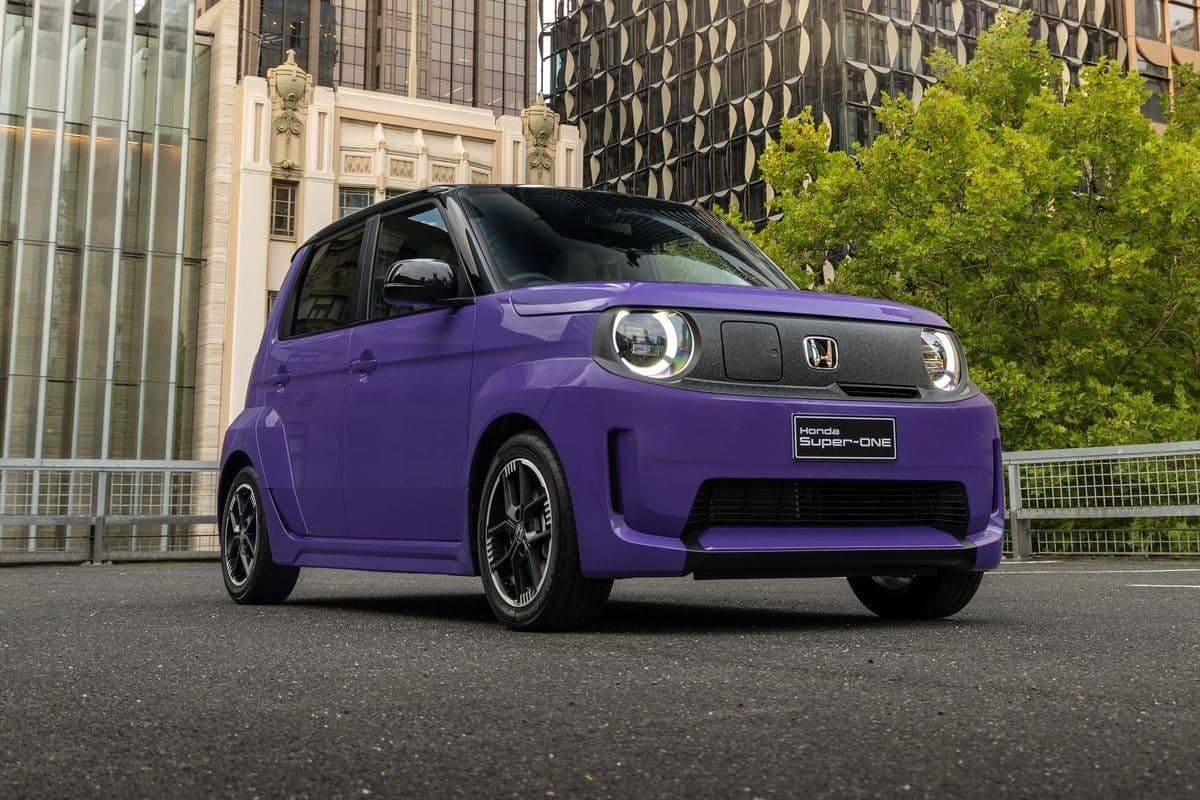
The Super-One is similar in size to the Hyundai Inster and BYD Atto 1. Its retro styling is inspired by the 1980s Honda City Turbo II, and it will also compete with the Mini Cooper SE and Fiat 500e.
Pricing and pre-orders now open
Two model grades are available. The base Super-One starts at $36,900 drive-away. A second version, revealed in a leak of Honda Australia's configurator last week, adds a black roof with Boost Violet exterior paint for an additional $500, taking the price to $37,400 drive-away.
Honda Australia said it has received more than 6500 expressions of interest ahead of pre-orders opening, more sign-ups than it received for the Civic Type R hot hatch. Only 130 examples will be available to Australian customers in 2026, with Honda saying supply will increase in 2027.
How the Super-One compares on price
The BYD Atto 1 remains Australia's cheapest EV, priced from $23,990 before on-road costs for the Essential grade. The Super-One undercuts the entry-level Hyundai Inster, which starts at $39,000 before on-road costs, though Hyundai is currently offering the Inster from $35,990 drive-away until September 30, 2026. The Honda is also considerably cheaper than the Fiat 500e La Prima, from $52,500 before on-road costs, and the Mini Cooper SE Favoured, from $58,990 before on-road costs.
Spec | Honda Super-One | Hyundai Inster (Standard Range) | BYD Atto 1 (Essential) |
Price | $36,900 drive-away | $39,000 before on-road costs ($35,990 drive-away offer to Sep 30, 2026) | $23,990 before on-road costs |
Motor power | 47kW (70kW in Boost mode) | 71.1kW | 65kW |
Torque | 162Nm | 147Nm | 175Nm |
Battery | 29.6kWh lithium-ion | 42kWh | 30kWh LFP |
WLTP range | 206km | 327km | 220km |
DC fast charge | 30 to 80% in 30 minutes | 10 to 80% in 30 minutes (120kW) | 10 to 80% in around 30 minutes (65kW) |

Powertrain, battery and range
The Super-One rides on a dedicated electric platform. A front-mounted electric motor produces 47kW and 162Nm in normal driving, rising to 70kW in Boost mode. It uses a 29.6kWh lithium-ion battery for a WLTP driving range of 206km, with DC fast-charging able to take the battery from 30 to 80 per cent in 30 minutes.
The official WLTP range is well short of earlier unofficial estimates. Reports based on the Japanese-market Super-One and leaked configurator data had suggested a range closer to 295km. Honda has not explained the gap, and Zecar has asked Honda Australia for clarification on Australian-spec testing conditions.
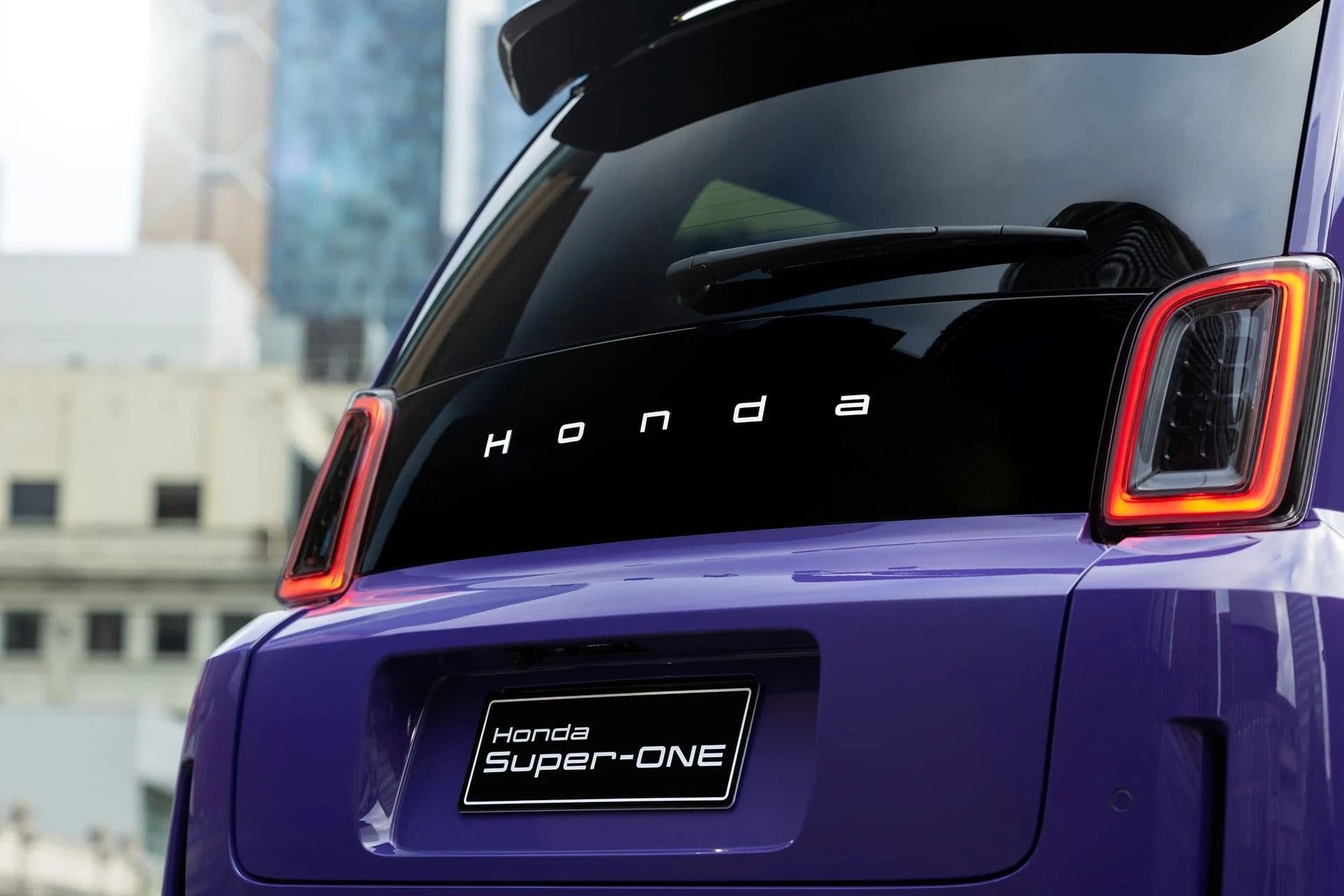
Honda has also confirmed a simulated seven-speed transmission that mimics gearshifts, along with an Active Sound Control system that generates an engine-like soundtrack. Suspension is MacPherson-type struts at the front and a torsion-beam rear axle.
Servicing capped at $199
Honda says each scheduled Super-One service during the first five years will cost no more than $199, a figure it is promoting as part of the car's ownership case against pricier rivals.
Design, equipment and Magic Seats
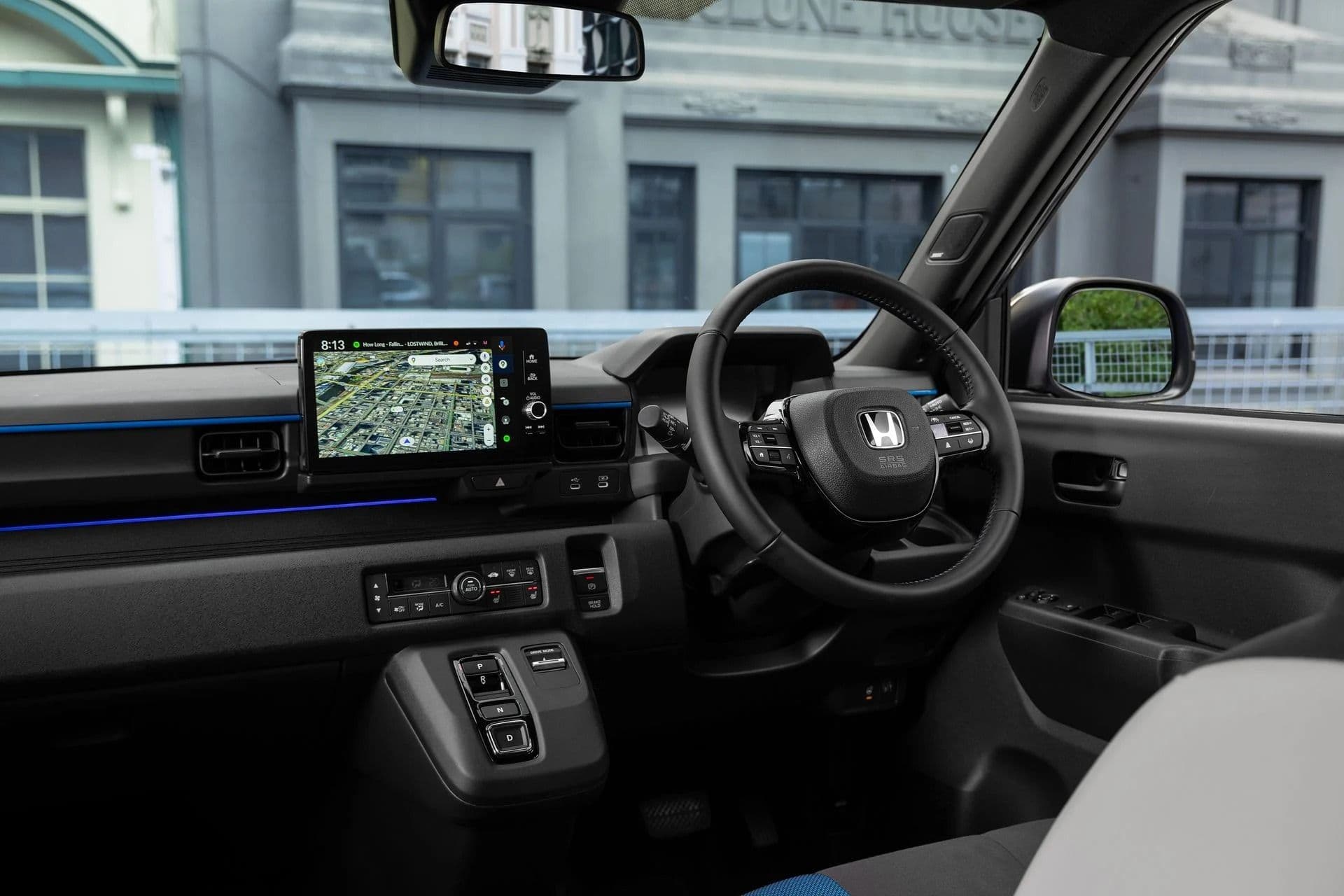
Detailed Australian equipment has not yet been announced. The Super-One comes with Honda's Magic Seats, a flexible rear-seat system, while a leaked configurator listing pointed to a Bose premium sound system and sports seats. Honda has not confirmed whether those features carry over to the local range.



About the author

Danny is a consultant and entrepreneur working at the cutting edge of the electric vehicle and energy transition. He is passionate about educating and helping consumers make better decisions through data.
