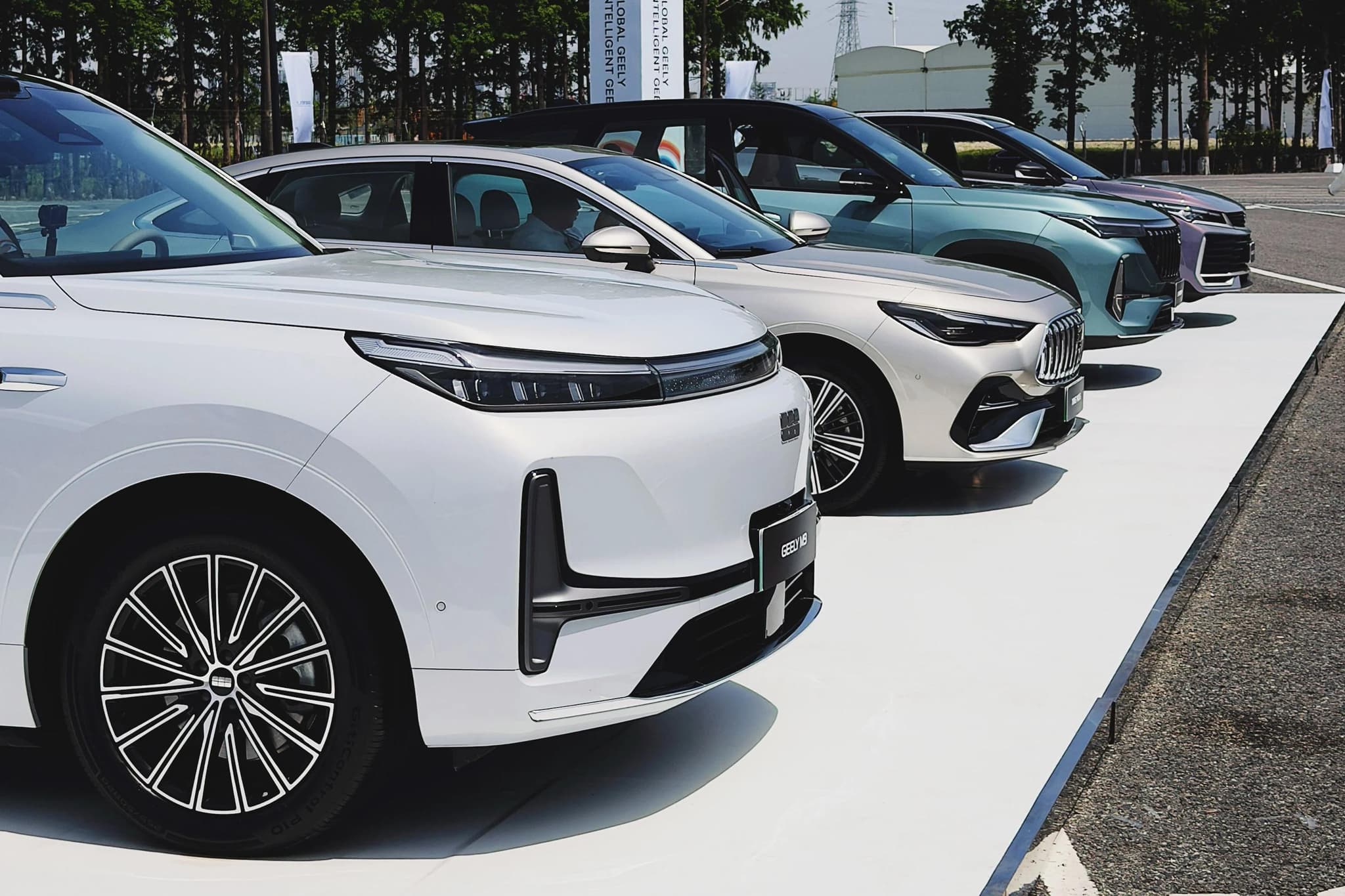
Chinese car giant Geely is continuing its rapid expansion in Australia, confirming plans to more than double its local model lineup by the end of 2027 with a strong focus on plug-in hybrid vehicles.
Speaking to Australian media in Hangzhou, Geely Auto vice president and local managing director Alex Gu outlined a roadmap that includes three new PHEV SUVs and a PHEV sedan, targeting some of the country’s most competitive segments.
The push will significantly broaden Geely’s footprint beyond its current EV and PHEV offerings, positioning the brand to compete more directly with mainstream and established rivals.
▶️MORE: Every Plug-in Hybrid (PHEV) in Australia (2026 Guide)
Five-seat and seven-seat SUVs to lead early 2027 rollout
Geely’s expansion will begin in the first half of 2027, led by two new family-focused SUVs.
A large five-seat SUV is expected to arrive first, potentially based on the Geely Galaxy M7 sold in China. While not officially confirmed, this model stands out as the most likely candidate given its size and positioning above the current Geely Starray EM-i.
If this is the case, Australian buyers could see:
- Up to 225km electric-only range (CLTC)
- Around 185km estimated WLTP equivalent
- A combined driving range of up to 1419km (converted estimate)
Alongside it, Geely is working to introduce a seven-seat SUV in the same timeframe, though the company has ruled out the existing Geely M9 EM-i currently sold overseas.
Together, these two models will anchor Geely’s push into the high-demand large SUV segment in Australia.
▶️MORE: Why Plug-In-Hybrids Are Surging In Australia Against Global Trends?
“Box-style” SUV to follow with off-road appeal
Arriving in the second half of 2027, Geely will introduce a more rugged, design-led SUV described as a “box-style” model.
This vehicle is expected to be the production version of the Geely Galaxy Cruiser, first shown at Auto China 2025.
Unlike the family-focused SUVs arriving earlier, this model is likely to target buyers looking for:
- A more distinctive, upright design
- Potential off-road capability with AWD
- Lifestyle-focused versatility
The addition of this model suggests Geely is not only chasing volume segments, but also niche lifestyle buyers traditionally drawn to vehicles like the LandCruiser or Defender.
▶️MORE: Cheapest Plug-in Hybrid (PHEV) in Australia (2026)
Camry-rivalling PHEV sedan confirmed for early 2027
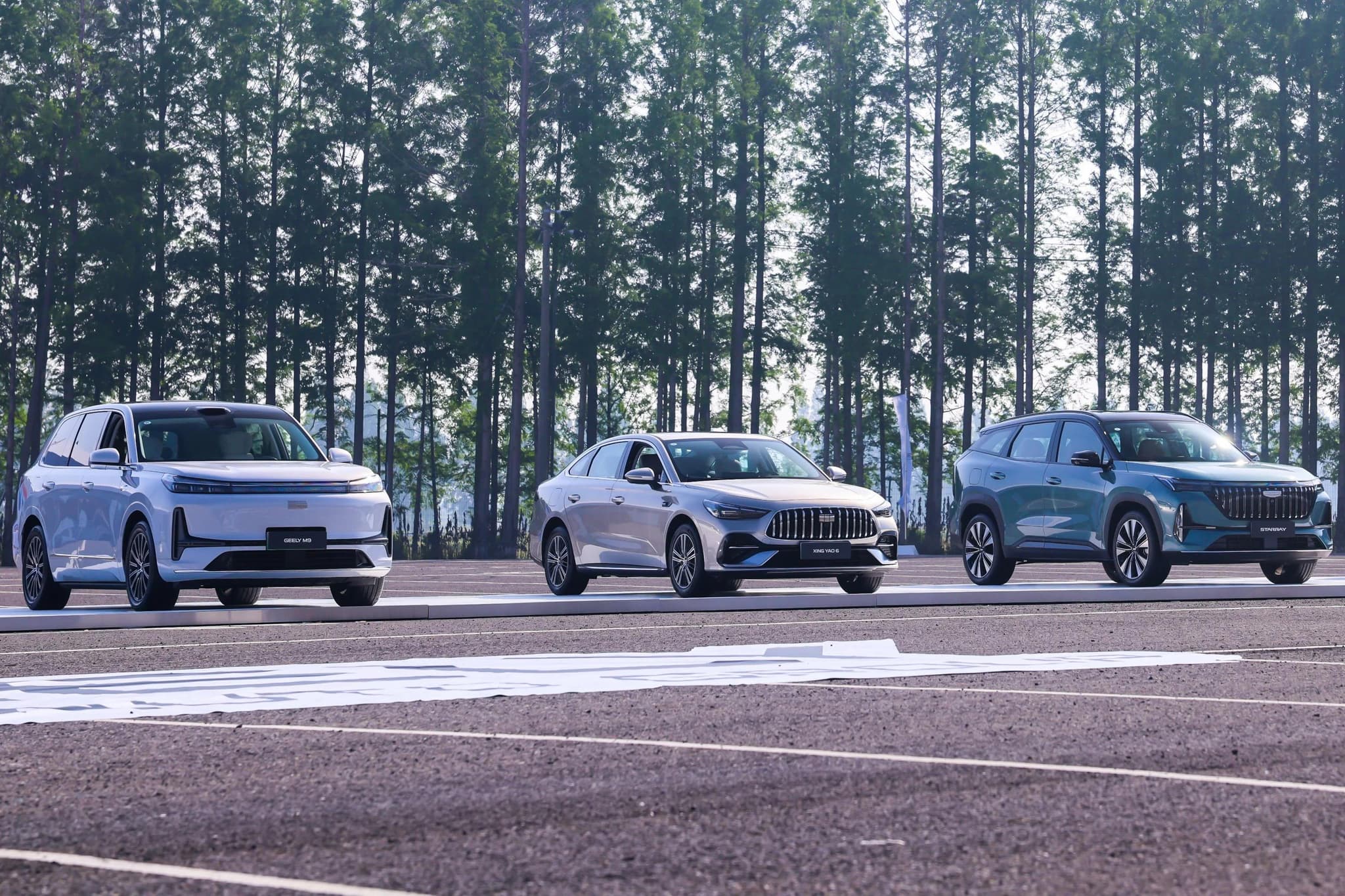
In addition to SUVs, Geely has locked in a new PHEV sedan for Australia in early 2027, the Geely Emgrand EM-i.
Sharing its drivetrain with the Starray EM-i, the sedan is being positioned as a direct rival to the Toyota Camry, but with plug-in hybrid capability.
Geely believes there is still untapped demand in the sedan segment, despite declining sales.
According to Alex Gu, the issue is not lack of interest, but lack of modern, high-tech offerings:
- Buyers still value sedans for comfort and efficiency
- Limited innovation has slowed segment growth
- A new generation of electrified sedans could revive interest
The Emgrand EM-i will also become Geely’s second non-SUV model in Australia, following the upcoming Geely EX2.
What this means for Australia?
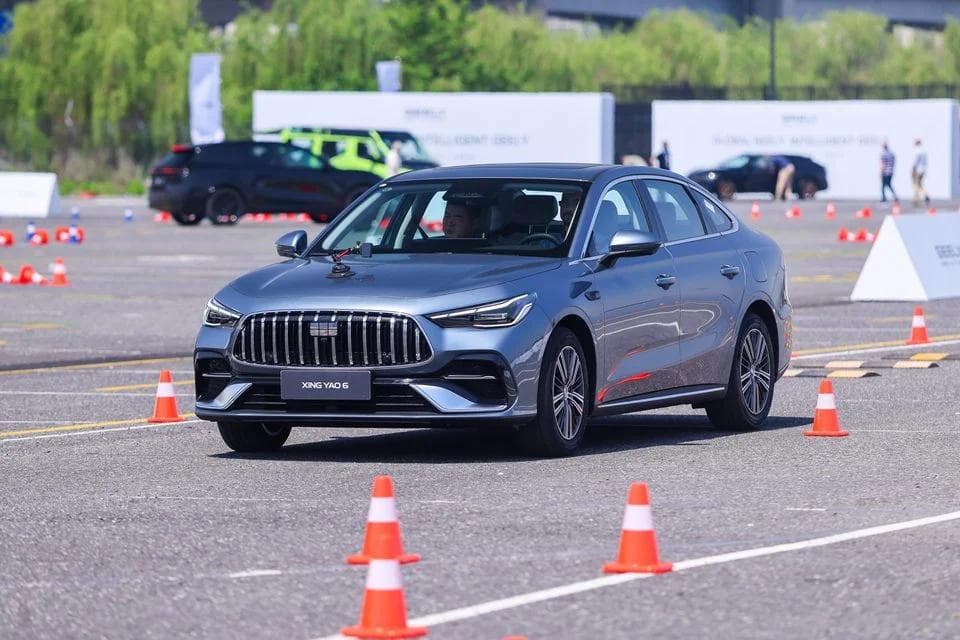
Geely’s aggressive rollout reflects its confidence in Australia’s growing EV market.
By the end of 2027, the brand expects to:
- More than double its local model range
- Expand across SUVs, sedans and EV hatchbacks
- Introduce both EVs and long-range PHEVs
This comes on the back of early momentum. In 2025, Geely delivered 5010 vehicles in Australia, led by the Geely EX5, which accounted for the majority of sales. The Starray EM-i PHEV followed later in the year. The Geely EX5 was the third best-selling EV in Australia for the month of April 2026.
By early 2026, both models are performing almost evenly, with a combined 2821 units sold by the end of March.
Looking ahead, Geely is also preparing:
- The EX2 as a volume entry-level EV, already a top seller in China
- A dual-cab ute expected within the next two years
For Australian buyers, this expansion could have several impacts:
Geely is targeting key gaps in the market, particularly affordable long-range electrified SUVs and sedans. Its mix of EVs and PHEVs also reflects a pragmatic approach, offering buyers flexibility as charging infrastructure continues to evolve.
If pricing remains competitive, the brand could put pressure on both established Japanese hybrids and newer Chinese EV rivals, accelerating competition across multiple segments.

