
Key Points
- More than 10 new EV and PHEV brands are confirmed or expected to launch in Australia by 2027.
- All are Chinese brands
- Models range from small electric hatchbacks to large plug-in hybrid SUVs and off-roaders.
Australia is already home to 50 EV brands but more are on the way. Over the next 12 to 18 months, a fresh wave of brands is set to arrive, bringing fully electric and plug-in hybrid models across a wide range of segments.
All of the new arrivals are Chinese or linked to a Chinese brand via a joint venture. Here is what we know so far.
New EV Brands Coming to Australia: At a Glance
Brand | Origin | Powertrain | Expected Launch |
Firefly (Nio) | China | EV | TBC |
Forthing | China (Dongfeng) | EV, EREV | June 2026 |
Lepas | China (Chery) | EV, PHEV | Late 2026 |
iCar | China (Chery) | EV, EREV | 2027 |
Freelander | China (Chery/JLR) | TBC (likely EV/PHEV) | 2027 |
Jetour | China (Chery) | Petrol, PHEV | 2026 (TBC) |
Dreame / Nebula | China | EV | Early 2027 |
Xiaomi | China | EV | 2027 |
Firefly
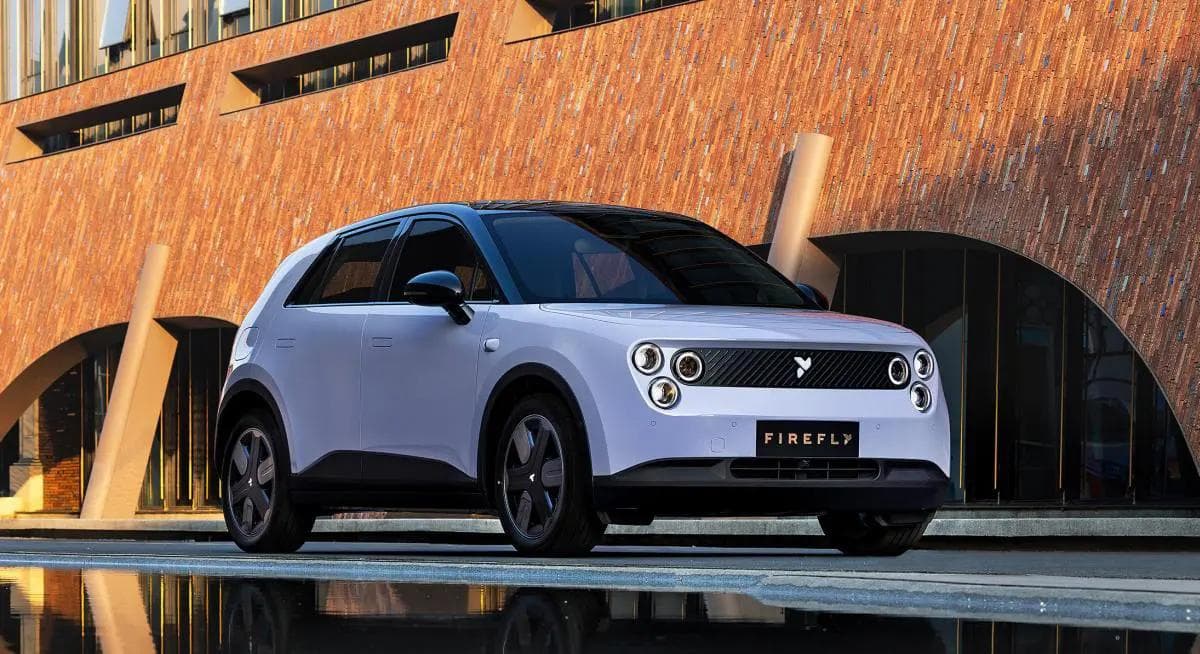
Firefly is a sub-brand of Chinese EV maker Nio. It is focused on smaller, more affordable electric cars.
The brand has submitted certification documents to the Australian Government and has been conducting local testing. It has confirmed it is in active discussions with local distributors, but has not yet announced who will sell its cars here.
The first model is a small electric hatchback, slightly larger than a Toyota Yaris. It would compete with the BYD Dolphin, MG4 and GWM Ora. No launch date has been confirmed.

Forthing
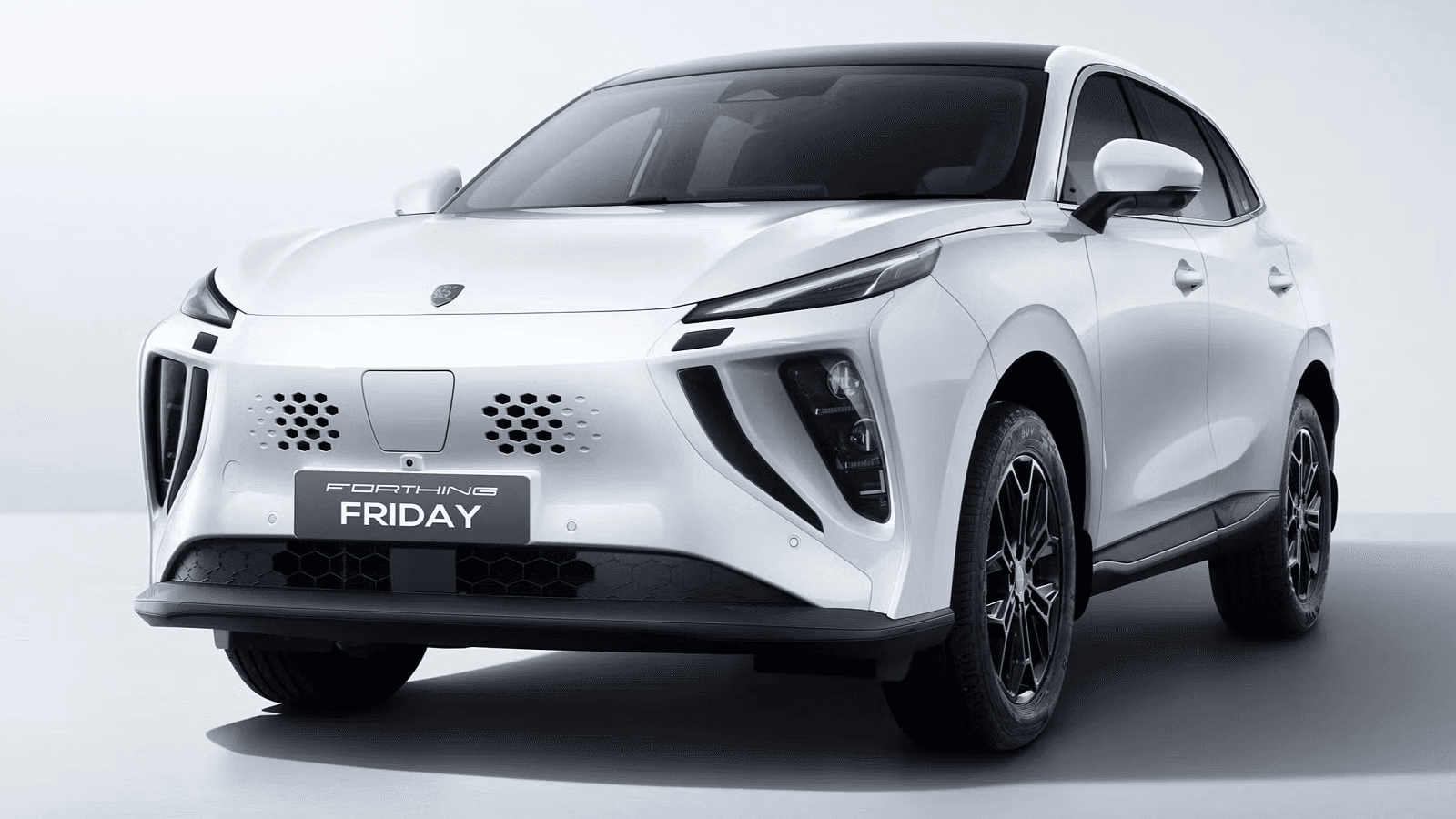
Forthing is a Chinese brand owned by Dongfeng Liuzhou Motor, a subsidiary of Dongfeng. It specialises in crossover SUVs.
Ateco Automotive, which already distributes LDV, Ram and Renault in Australia, has secured the local distribution rights for Forthing. From June 2026, it will sell the mid-size Forthing Taikon 5, available as either a full EV or an extended-range electric vehicle (EREV).
The Taikon 5 will take on rivals like the Leapmotor C10. Forthing has also promised more new-energy vehicles to follow, which could include PHEVs and additional EVs.

Lepas
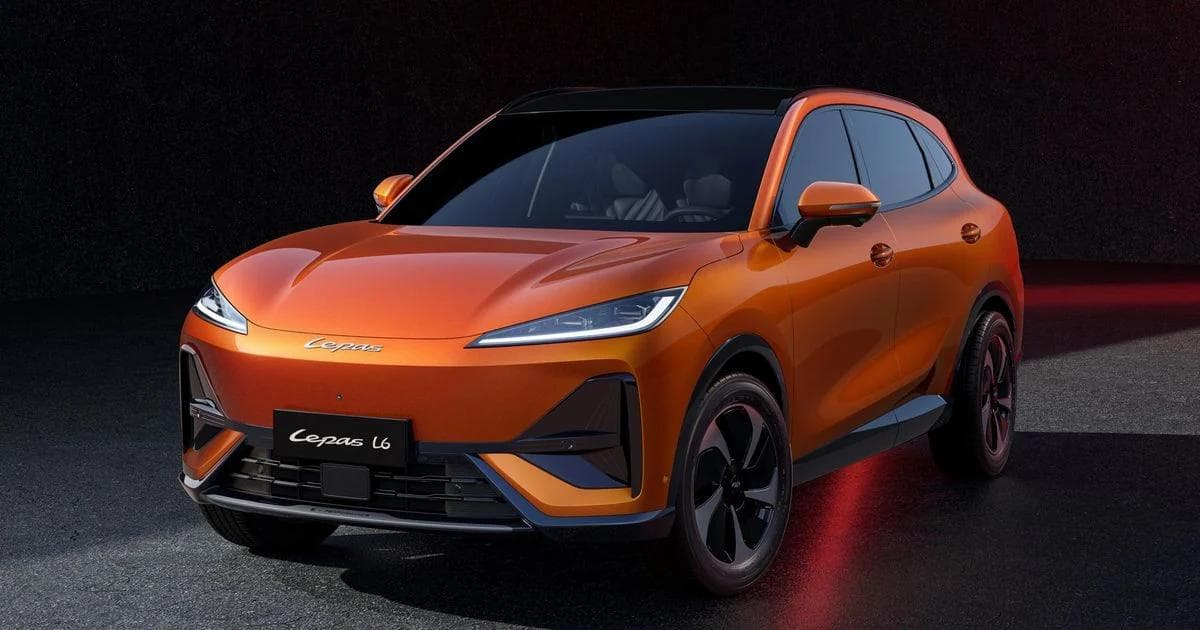
Lepas is another brand from Chery, the Chinese auto giant. It was developed specifically for export markets like Australia and Europe.
It is set to launch in Australia towards the end of 2026. The first models expected are the small L6 and mid-size L8 SUVs, with the smaller L4 likely to follow in 2027.
Lepas offers a range of electrification options, from PHEVs through to fully electric powertrains. Its point of difference is bold colours inside and out. The brand may also sell designer clothes and accessories in its showrooms.
iCar
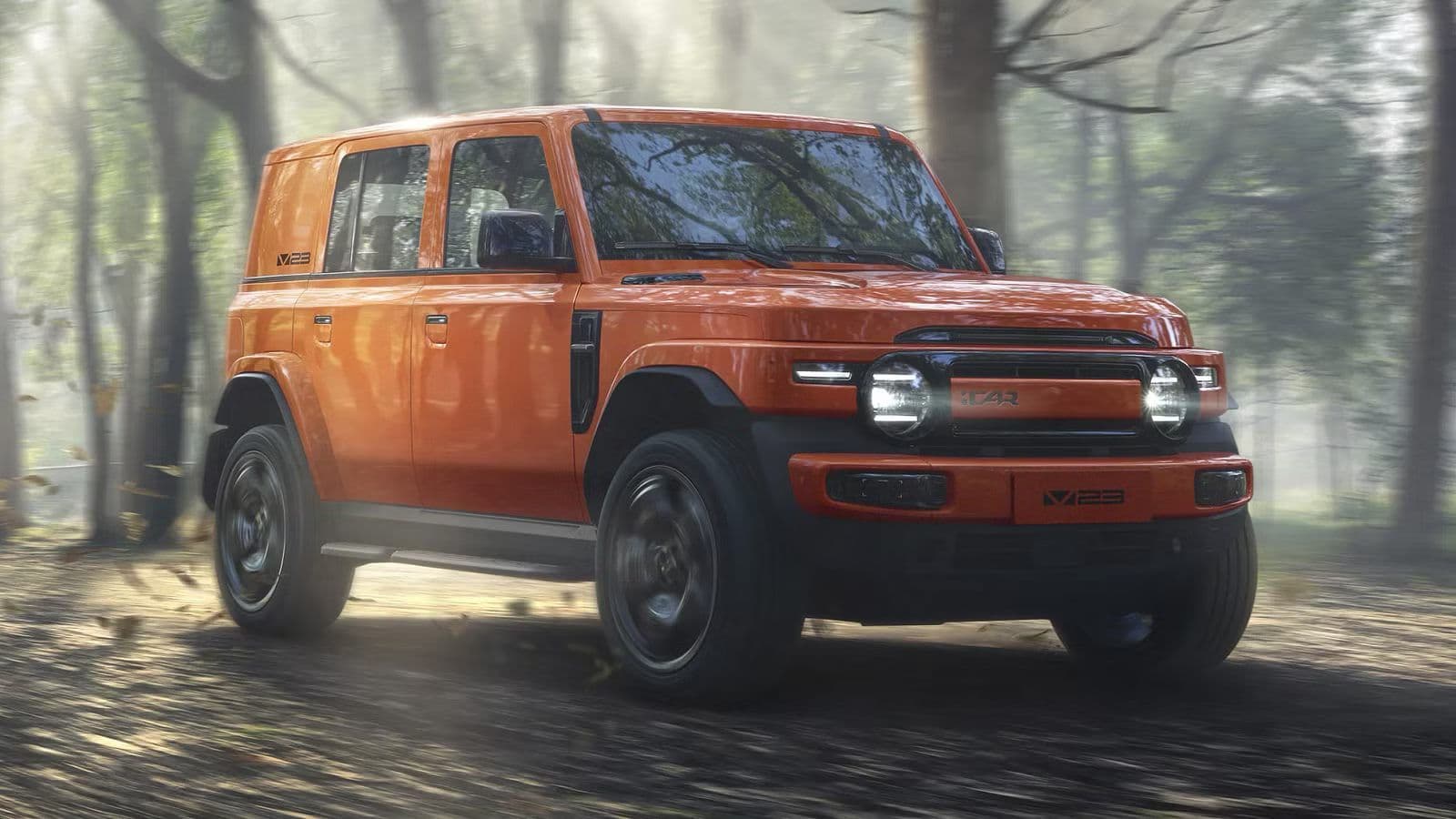
iCar is a Chery-owned brand established in 2023 as an export-focused EV label. It offers a range of boxy, retro-styled SUVs sold under the Chery Fulwin sub-brand in China.
Chery has filed to trademark the name iCar locally, though this has been opposed by an industry body. The final name used in Australia may differ.
The lineup starts with the compact electric V23, which is smaller than a Mazda CX-3, and goes up to the large V27 EREV, which is Toyota LandCruiser-sized. Some markets also get the small 03 electric SUV. An Australian launch is expected in 2027.
Freelander
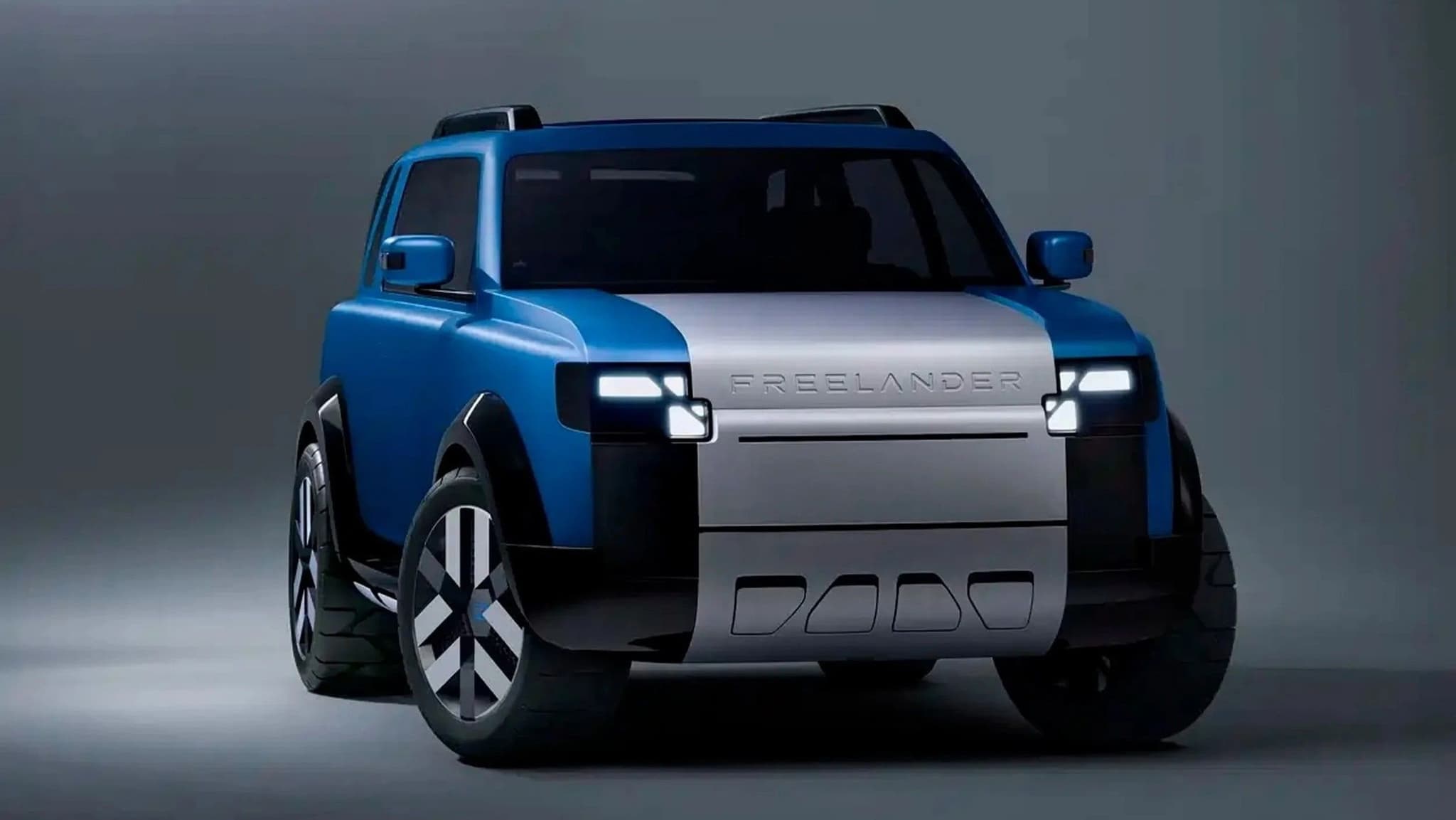
Freelander is a new SUV brand formed through a partnership between Chery and Jaguar Land Rover. Vehicles will be built at the Chery/JLR plant in Changshu, China, for both the Chinese market and global export.
The brand was previewed with the Concept 97, an SUV that draws design cues from the old Land Rover Freelander. A production version is expected to be revealed in June 2026, with an Australian launch planned for 2027.
Powertrain details have not been confirmed, but vehicles are expected to use Chery platforms. Given the brand's positioning and Chery's current lineup, EV and PHEV options are likely.
Jetour
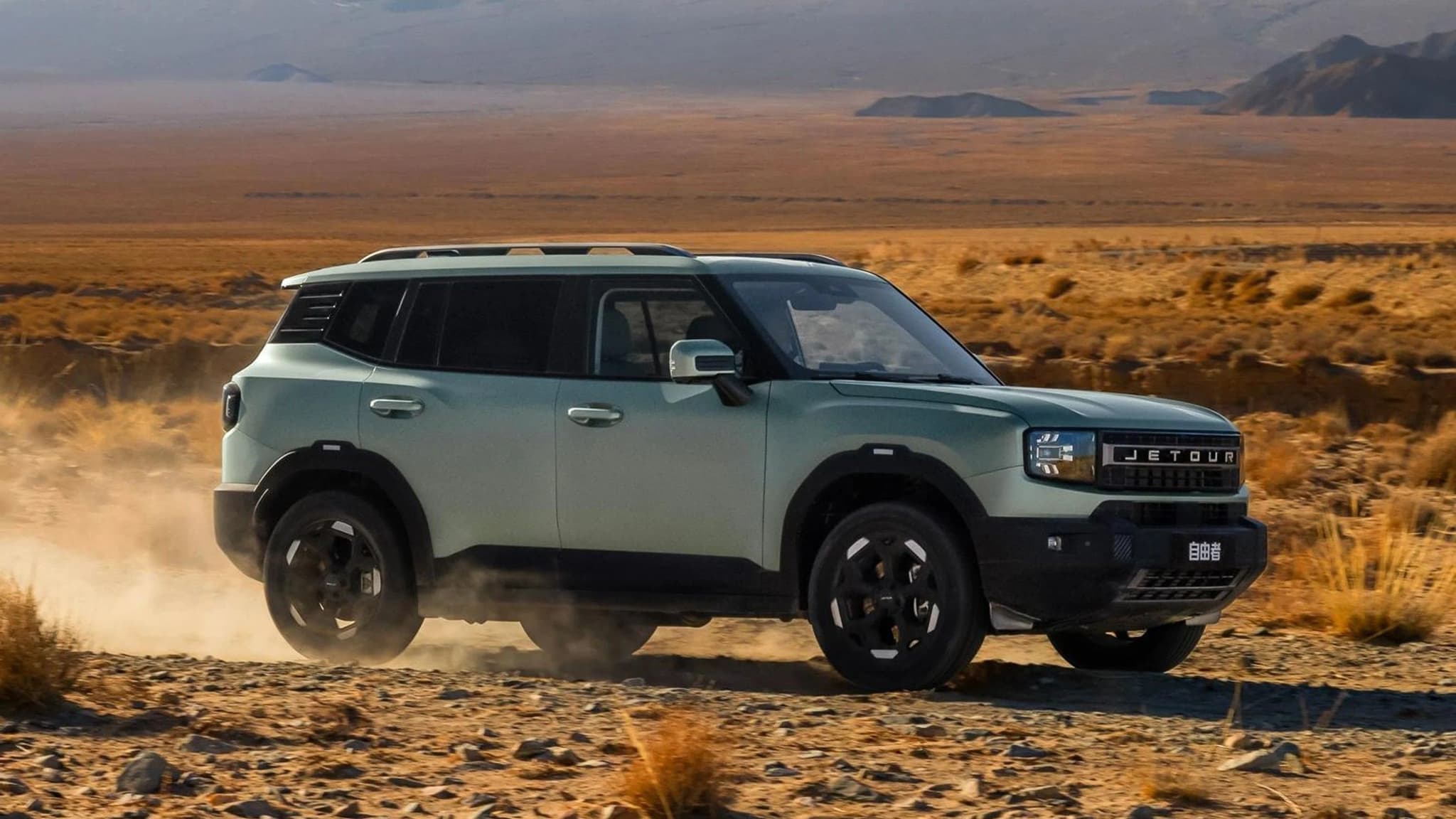
Jetour is one of Chery's oldest brands, established in 2018. It now operates in more than 100 markets and delivered 622,590 vehicles globally in 2025.
Unlike Chery's other Australian brands, Jetour is being set up as a separate entity with its own distribution. It has invited media to pre-launch events in June 2026 and says it is in the preparation phase for Australia.
Models expected for Australia include the Dashing compact SUV, the T1 and T2 mid-size SUVs, and the seven-seat X70 Plus. These are already on sale in South Africa in right-hand drive. Powertrains include petrol and plug-in hybrid options.
The flagship G700 is a large plug-in hybrid, ladder-frame SUV bigger than a Toyota LandCruiser 300 Series. It is not yet available in right-hand drive.
Jetour Global Sales
Year | Global Deliveries | Markets |
2025 | 622,590 | 100+ |
Xiaomi
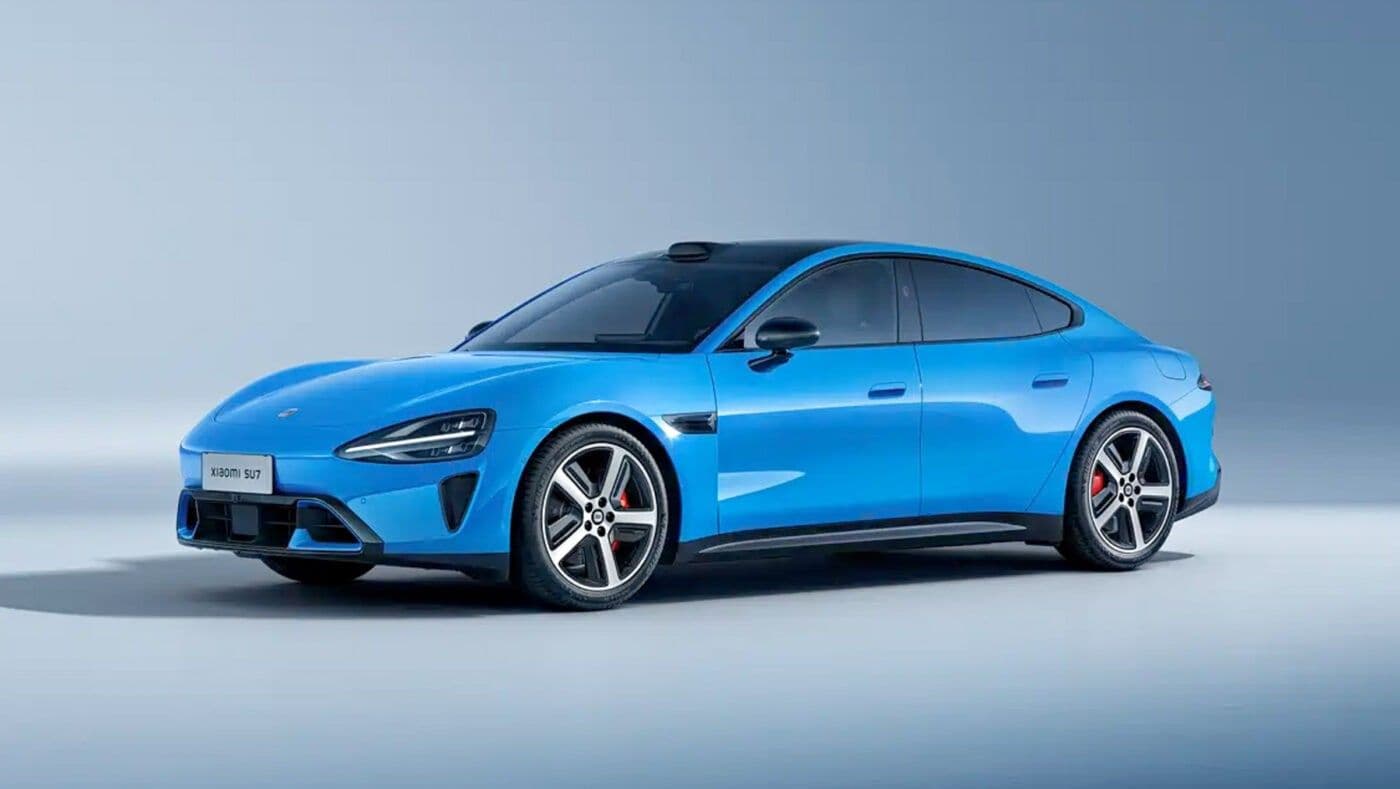
Xiaomi is best known as a smartphone and consumer electronics brand. It entered the car market in 2024 with the SU7, a fully electric sedan made in China.
An Australian launch has been confirmed for early 2027. The SU7 will be the first model to arrive. It has recently been refreshed with improved range, more standard safety features, and upgraded technology across all variants.
The updated SU7 is offered in three variants. The Standard uses a 73kWh battery with a claimed 720km range (CLTC). The Pro uses a 96.3kWh battery for 902km. The Max uses a 101.7kWh battery for 835km. All variants now include LiDAR, 9 airbags, and dual-chamber air suspension as standard.
No Australian pricing has been announced. In China, the SU7 starts at the equivalent of around AU$47,300.

Dreame and Nebula
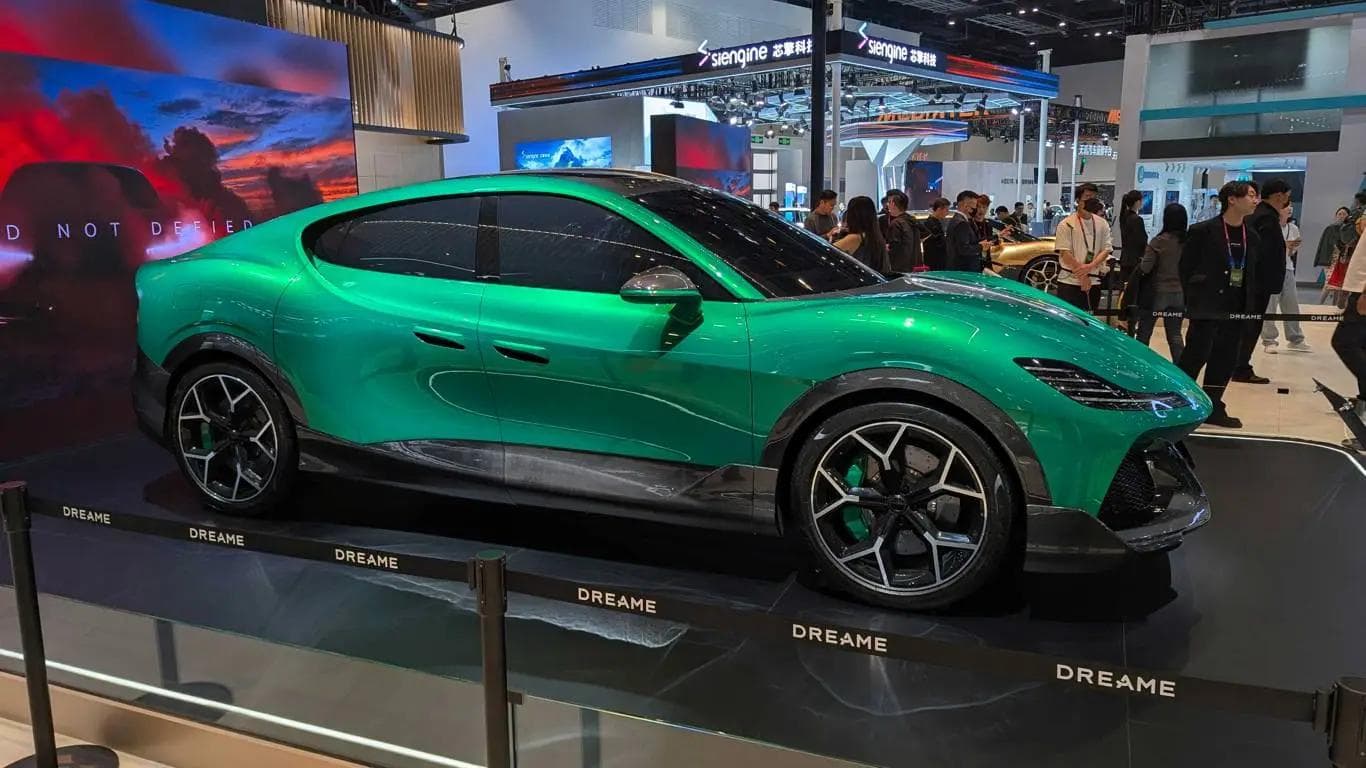
Dreame is a technology company, known for its robot vacuum cleaners, is not a traditional automaker. It has not yet delivered a production vehicle, but has confirmed plans to launch in Australia with customer deliveries targeted for early 2027.
Under its Nebula brand, Dreame has shown two concept cars: the Next 01 four-door hypercar and the 01X SUV. Both use a quad-motor electric platform with a claimed combined output of 1,399kW and 23,000Nm of torque. A claimed 0-100km/h time of 1.8 seconds is stated for the hypercar.
Dreame also plans a range of electric SUVs under the Star Motor brand. Both Nebula and Star Motor vehicles are planned for Australia. The company says it is currently tuning its first models for local roads and working on compliance with Australian regulations.
Production versions are expected to feature solid-state batteries and begin rolling off the line in 2027.
Other Brands to Watch
A few more brands are on the radar, though their Australian launches are less certain or further away.
212: A Chinese off-road brand from BAW (formerly part of BAIC Group). Its only model, the T01, is a Jeep Wrangler rival with live axles and a 2.0-litre turbo engine. It has been spotted testing in the Northern Territory. It does not currently produce vehicles in right-hand drive. A next-generation model with RHD is planned, but no launch date has been set.
JMC: JMC is returning to Australia after an earlier run from 2015 to 2018. It will offer the Vigus ute with a 3.3-litre turbo-diesel engine. JMC's newer Dadao ute range uses a platform co-developed with Ford and features more modern technology. It is unclear if these will follow.
Avatr: Changan's luxury EV brand has filed to trademark its name in Australia. No launch has been announced, but the brand sells premium electric SUVs and sedans in China.
Ridarra (Geely): Geely's Ridarra brand makes the RD6, an electric and plug-in hybrid unibody ute. It could be a future contender for Australia's growing ute market.
The list above covers brands that have officially announced or confirmed plans for the Australian market as of April 2026. The pace of new entries is fast, and this list is likely to grow.


About the author

Danny is a consultant and entrepreneur working at the cutting edge of the electric vehicle and energy transition. He is passionate about educating and helping consumers make better decisions through data.
