
Key Points
- The Farizon V7E starts from $49,990, making it the most affordable electric cargo van in Australia.
- Two battery options: 50 kWh (240 km WLTP) and 66 kWh (329 km WLTP), both with 110 kW motor.
- Deliveries begin May 2026, with a 6.95 m³ cargo volume and 1338 kg payload on the base variant.
The Farizon V7E has arrived in Australia with a starting price that undercuts every other electric cargo van on the market. At $49,990 drive-away, it is cheaper than the Kia PV5 Cargo, the LDV eDeliver 7 and even the Farizon Supervan. For businesses looking to electrify their fleet, the V7E makes a strong case on price alone.
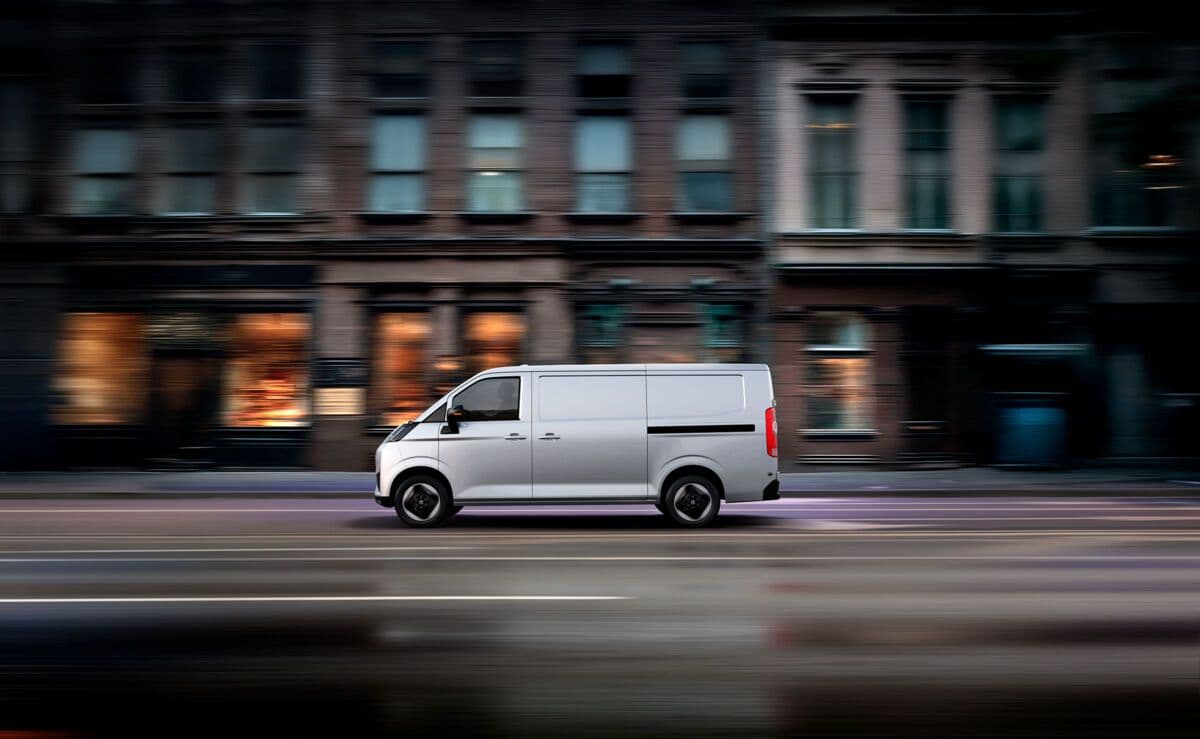
Farizon V7E: Key Specs
The V7E comes in two variants. Both share the same 110 kW motor and 230 Nm of torque. The difference is in battery size, range and payload.
Farizon V7E Specs
Specification | Standard Range | Extended Range |
Price (driveaway) | $49,990 | $53,990 |
Battery | 50 kWh (CATL LFP) | 66 kWh (CATL LFP) |
WLTP Range | 240 km | 329 km |
Motor Power | 110 kW | 110 kW |
Torque | 230 Nm | 230 Nm |
Payload | 1338 kg | 1208 kg |
Cargo Volume | 6.95 m³ | 6.95 m³ |
DC Fast Charging | 100 kW (26 min, 20-80%) | 100 kW (33 min, 20-80%) |
AC Charging | 11 kW (4 hrs) | 11 kW (5 hrs) |
GVM | 3150 kg | 3150 kg |
Towing | 750 kg unbraked / 1000 kg braked | 750 kg unbraked / 1000 kg braked |
Overall Length | 4995 mm | 4995 mm |
Overall Width | 1820 mm | 1820 mm |
Overall Height | 1985 mm | 1985 mm |
Wheelbase | 3200 mm | 3200 mm |
Cargo Bay Length | 2865 mm | 2865 mm |
Cargo Bay Width | 1690 mm | 1690 mm |
Cargo Bay Height | 1435 mm | 1435 mm |
Load Floor Height | 610 mm | 610 mm |
Side Door Opening | 1100 mm sliding | 1100 mm sliding |
Rear Doors | 270-degree barn doors | 270-degree barn doors |
Delivery | May 2026 | May 2026 |
The low 610 mm load floor height makes loading and unloading easier than most rivals. The rear barn doors open to 270 degrees, which helps when parking close to walls or in tight spaces.

How It Compares to Electric Van Rivals
The V7E is the cheapest electric cargo van available in Australia. It undercuts the Farizon Supervan, the Kia PV5 Cargo and the LDV eDeliver 7 by a significant margin.
V7E vs Electric Van Rivals
Model | Price (before on-road costs) | Battery | WLTP Range |
Farizon V7E Standard Range | $49,990 | 50 kWh | 240 km |
Farizon V7E Extended Range | $53,990 | 66 kWh | 329 km |
Kia PV5 Cargo S Long Range | $55,990 | 71.2 kWh | 416 km |
LDV eDeliver 7 SWB | $63,990 | 82 kWh | 310 km |
LDV eDeliver 7 LWB | $69,990 | 93 kWh | 362 km |
Farizon Supervan SWB | $71,490 | N/A | N/A |
The Kia PV5 Cargo offers more range at 416 km WLTP, but costs more than the V7E Extended Range. The LDV eDeliver 7 starts at $63,990, which is $14,000 more than the base V7E. The Farizon Supervan starts at $71,490, making the V7E $21,500 cheaper.

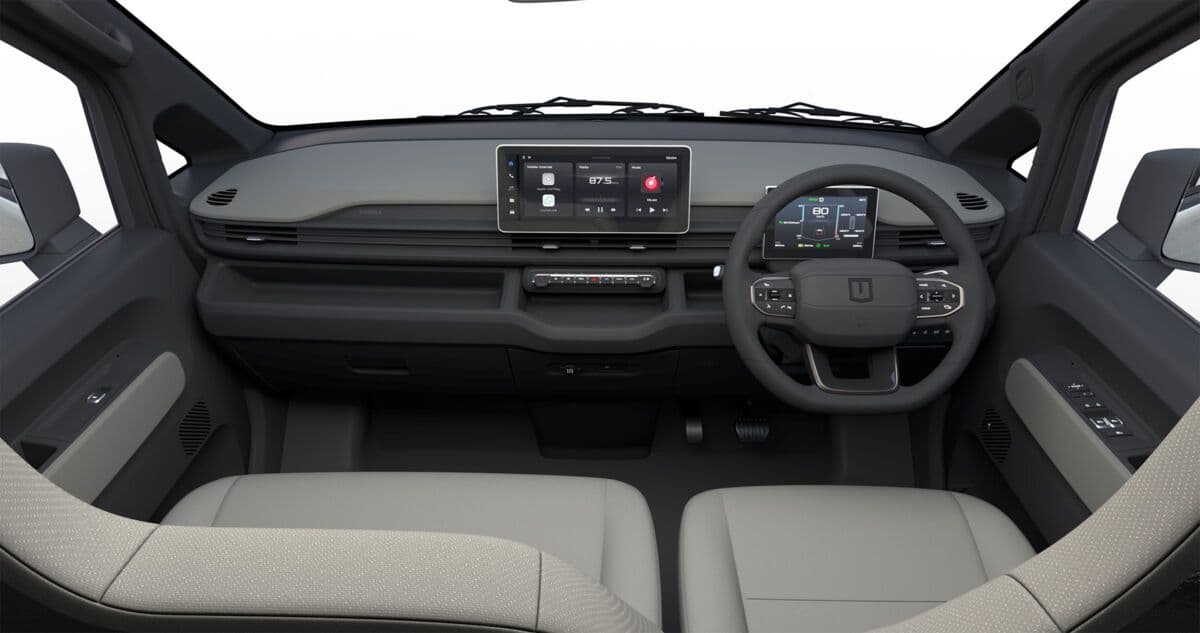
How It Compares to Petrol and Diesel Vans
For businesses switching from petrol or diesel, the V7E is competitive on price. The Toyota HiAce starts from $56,188, the Ford Transit Custom from $61,292 and the Hyundai Staria Load is priced similarly. The V7E undercuts all three on entry price, and running costs on electricity are lower than fuel.
V7E vs Petrol and Diesel Vans
Model | Starting Price | Fuel Type | Cargo Volume | Payload | Overall Length |
Farizon V7E Standard Range | $49,990 | Electric | 6.95 m³ | 1338 kg | 4995 mm |
Toyota HiAce | From $56,188 | Diesel | 9.3 m³ | 1095 kg | 5265-5915 mm |
Ford Transit Custom | From $61,292 | Diesel / PHEV | 6.0 m³ (LWB) | N/A | 5050-5450 mm |
Hyundai Staria Load | N/A | Diesel | 4.9 m³ | 1072 kg | 5253 mm |
The Toyota HiAce offers more cargo volume at 9.3 m³, but the V7E's 6.95 m³ is still practical for most delivery and trade use cases. The V7E also has a lower load floor at 610 mm, which reduces fatigue during frequent loading.
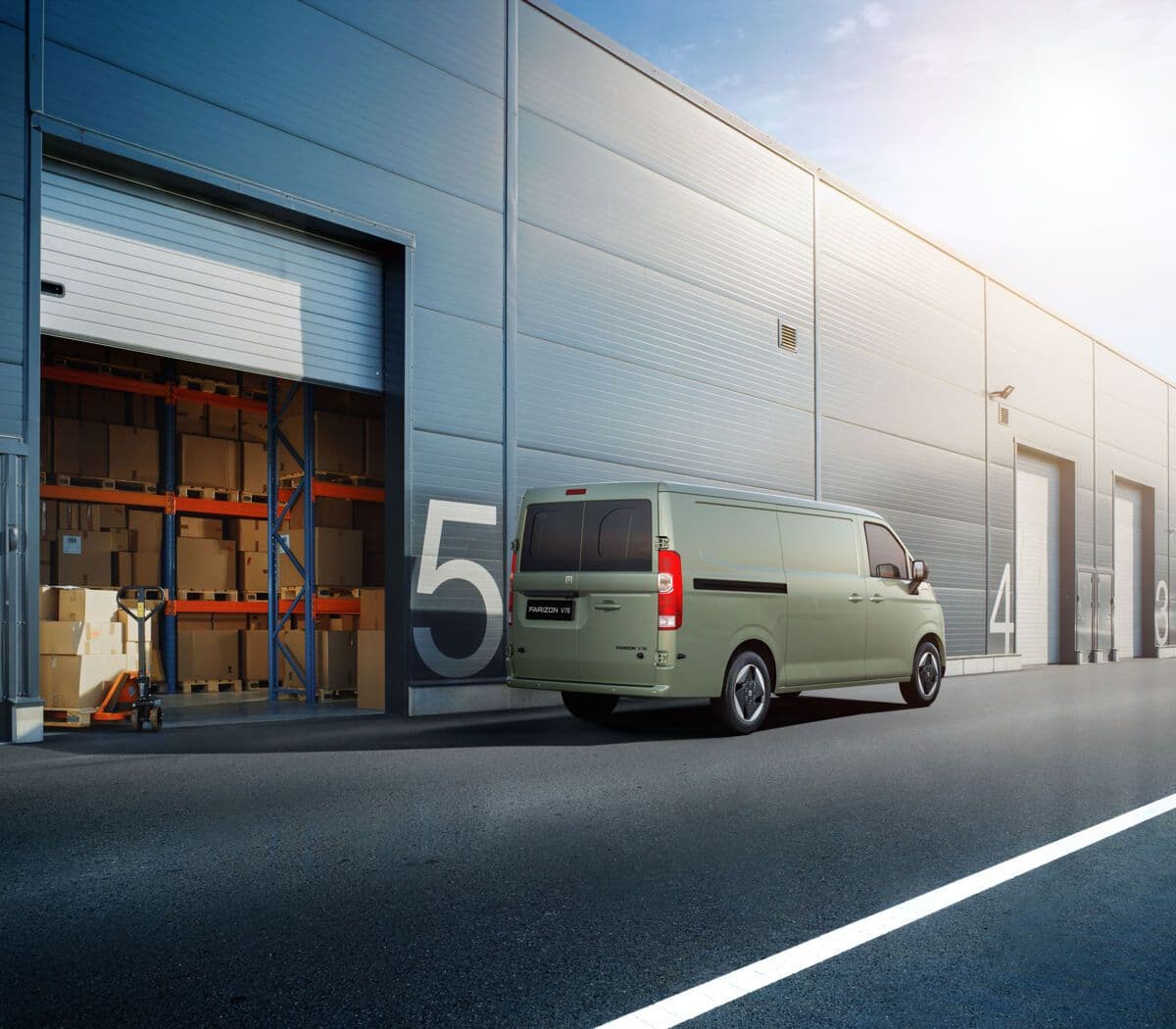
What to Expect at Delivery
Farizon has confirmed deliveries will begin in May 2026. The V7E will be sold through Farizon's Australian dealer network. Both the Standard Range and Extended Range variants will be available from launch.
The V7E comes with a CATL LFP battery, which is known for long cycle life and stability in hot climates. LFP chemistry also allows charging to 100% regularly without degrading the battery as quickly as other chemistries.
For businesses that need a reliable, low-cost electric van for daily deliveries, the V7E is worth a close look. The price, payload and cargo volume make it one of the most practical options available in Australia right now.

About the author

Danny is a consultant and entrepreneur working at the cutting edge of the electric vehicle and energy transition. He is passionate about educating and helping consumers make better decisions through data.
