Key Points
- Cadillac’s best-selling XT5 has gained PHEV power in China.
- It combines 385kW with 155km of WLTC electric range.
- Momenta assisted driving tech joins Cadillac’s Super Cruise expertise.
- The XT5 PHEV can charge from 30 to 80 per cent in 15 minutes.
- Australia could get Chinese-built Cadillac models, but nothing is confirmed.
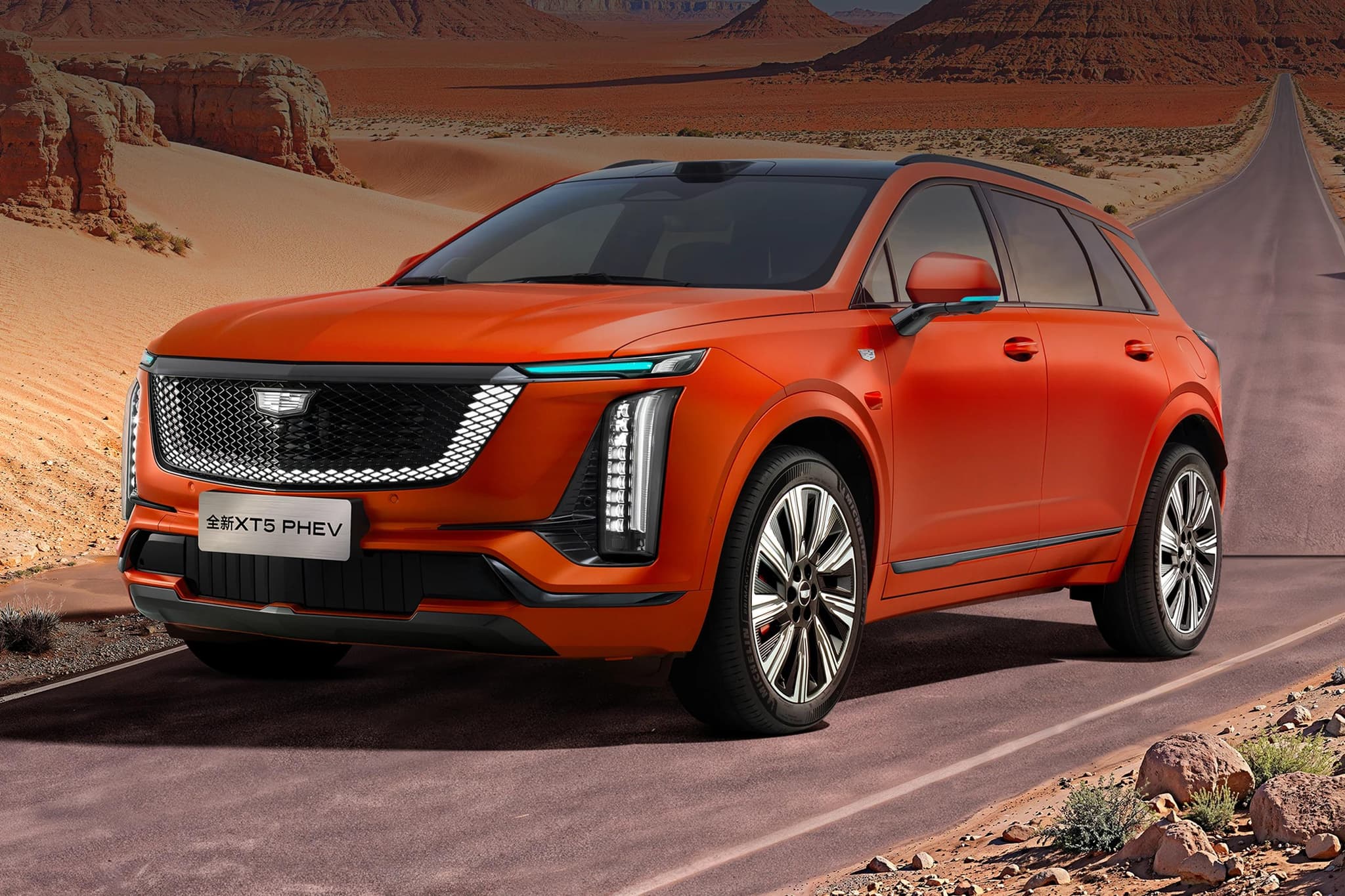
Cadillac has added plug-in hybrid power to its best-selling XT5 SUV in China, giving the luxury crossover a potent new powertrain, up to 155km of electric driving range and a suite of advanced driver-assistance technology.
The new Cadillac XT5 PHEV will open for pre-sales in China on August 21, 2026, and could eventually become relevant to Australia as General Motors increasingly looks to its Chinese operations as a potential export hub.
For now, however, there is no confirmation that the XT5 PHEV will be sold locally.
The new model combines a turbocharged 1.5-litre petrol engine with front and rear electric motors and a 35.5kWh battery. Total system output stands at 385kW and 740Nm, allowing the SUV to accelerate from 0-100km/h in a claimed 4.8 seconds.
Cadillac says it can maintain performance even when the battery is depleted, with the company claiming its acceleration is comparable with a turbocharged 3.0-litre V6.
MORE: Every Plug-in Hybrid (PHEV) in Australia (2026 Guide)
385kW PHEV power meets 155km of electric range
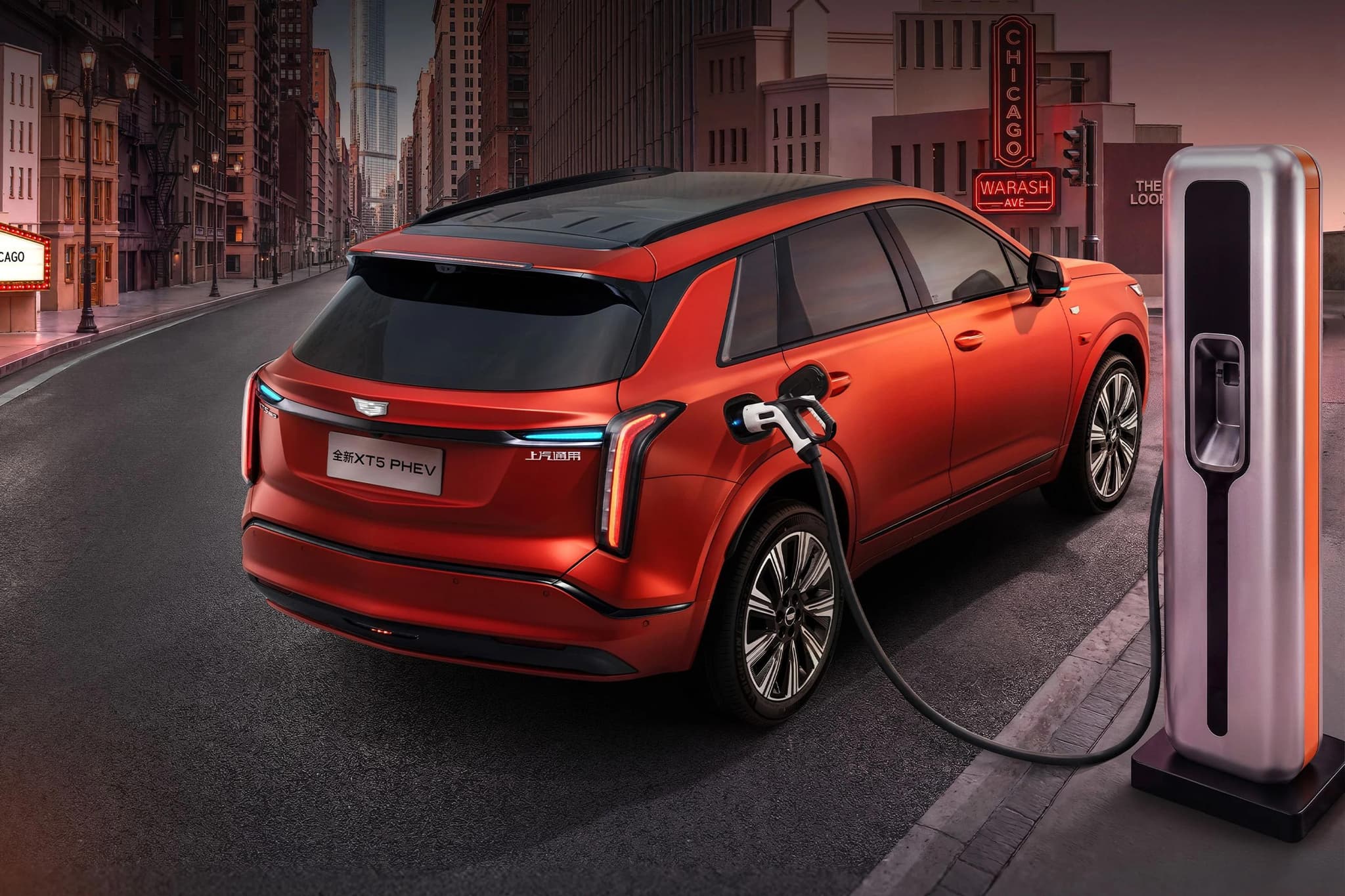
The XT5 PHEV uses a two-speed direct hybrid transmission and all-wheel drive, with its 35.5kWh battery providing a claimed 155km of WLTC electric range.
Once the battery is depleted, Cadillac claims combined fuel consumption of 6.05L/100km, which it says is the lowest figure among comparable vehicles.

The SUV also gets 5C fast-charging capability. Cadillac claims a 30 to 80 per cent charge takes just 15 minutes, while 6kW vehicle-to-load capability allows the battery to power external electrical equipment.
The PHEV's performance remains strong even at a low state of charge, although the claimed 0-100km/h time increases from 4.8 seconds to 5.4 seconds.
| Specification | Cadillac XT5 PHEV | Standard XT5 | Cadillac Lyriq AWD |
| Powertrain | 1.5L turbo + dual electric motors | 2.0L turbo petrol + 48V mild hybrid | Dual electric motors |
| Drive | AWD | FWD/AWD | AWD |
| System power | 385kW | 174kW | 373kW |
| System torque | 740Nm | 350Nm | 610Nm |
| Battery | 35.5kWh | — | — |
| Electric range | 155km WLTC | — | — |
| Fuel consumption | 6.05L/100km | 7.71–8.23L/100km WLTC | — |
| 0-100km/h | 4.8sec | 8.0–8.3sec | 5.3sec |
| DC charging | 30–80% in 15min | — | — |
| V2L | 6kW | — | — |
| Length | 4888mm | 4888mm | — |
| Width | 1957mm | 1957mm | — |
| Wheelbase | 2863mm | 2863mm | — |
Momenta brings a new layer of driver assistance
The XT5 PHEV also marks an interesting technology shift for Cadillac.
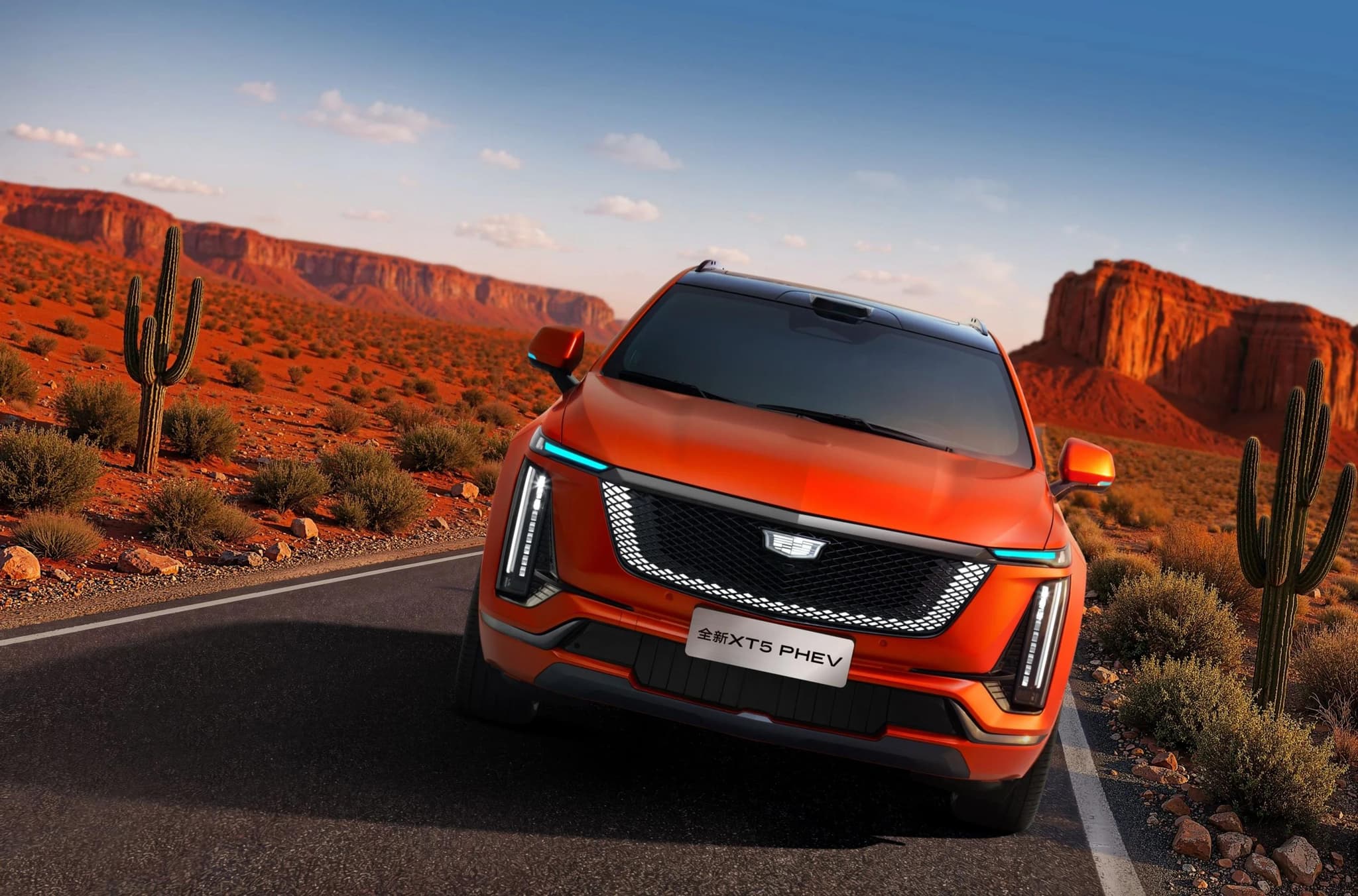
While General Motors already has its Super Cruise system, the Chinese-market XT5 PHEV uses a version incorporating Momenta's R7 world model, which the Chinese autonomous-driving company says is based on more than 15 billion kilometres of real-world driving data.
The system uses a combination of LiDAR, an 8-megapixel high-definition camera and millimetre-wave radar to monitor the surrounding environment.

Cadillac claims the system can handle complex urban situations, including determining when it is appropriate to enter a bus lane, yielding to other road users and dealing with temporary roadworks, unexpected obstacles and even doors opening from parked vehicles.
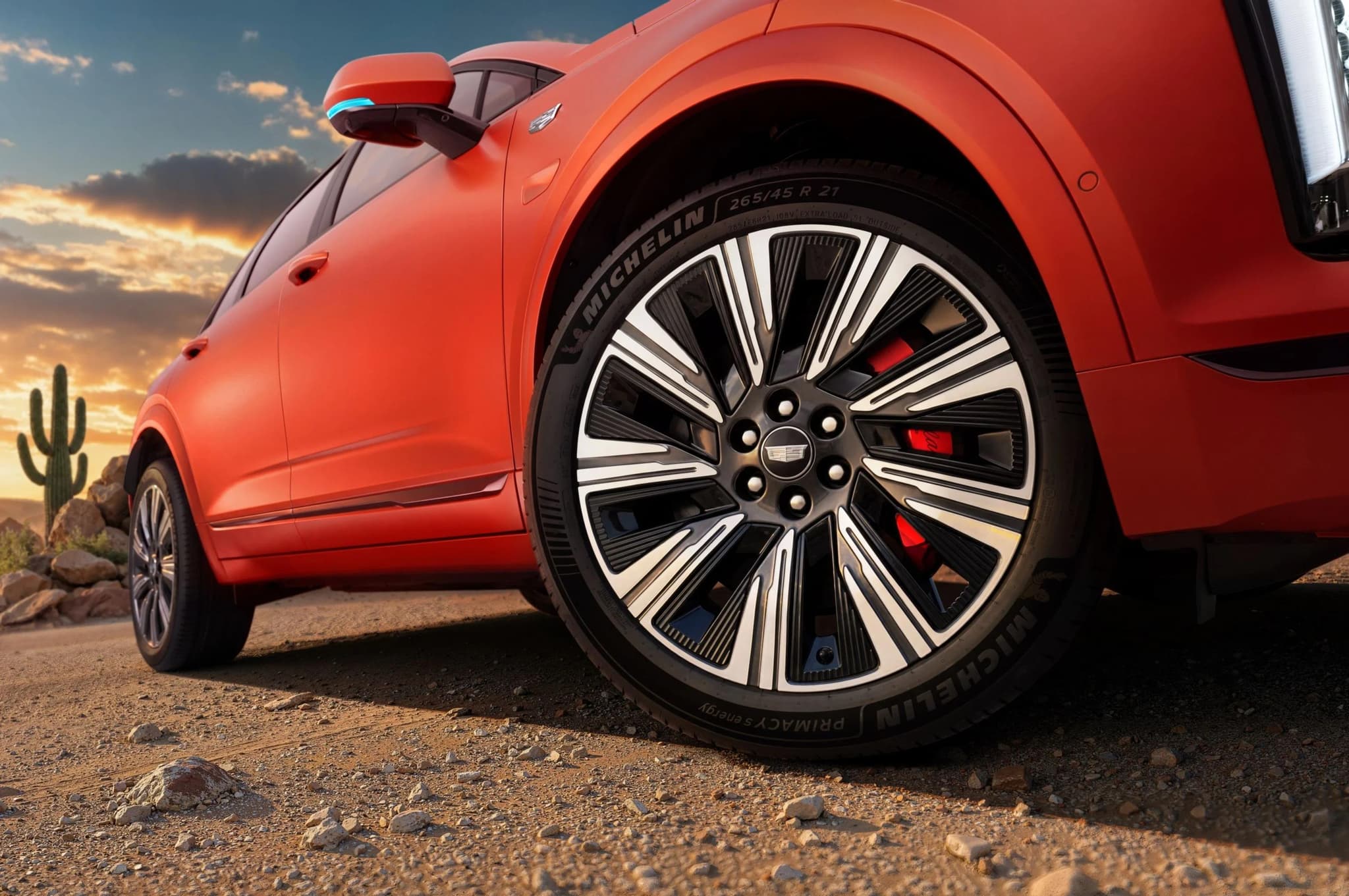
The XT5 PHEV also gets intelligent continuously variable damping suspension. The system is claimed to scan the road up to 20 metres ahead and make 500 adjustments per second.
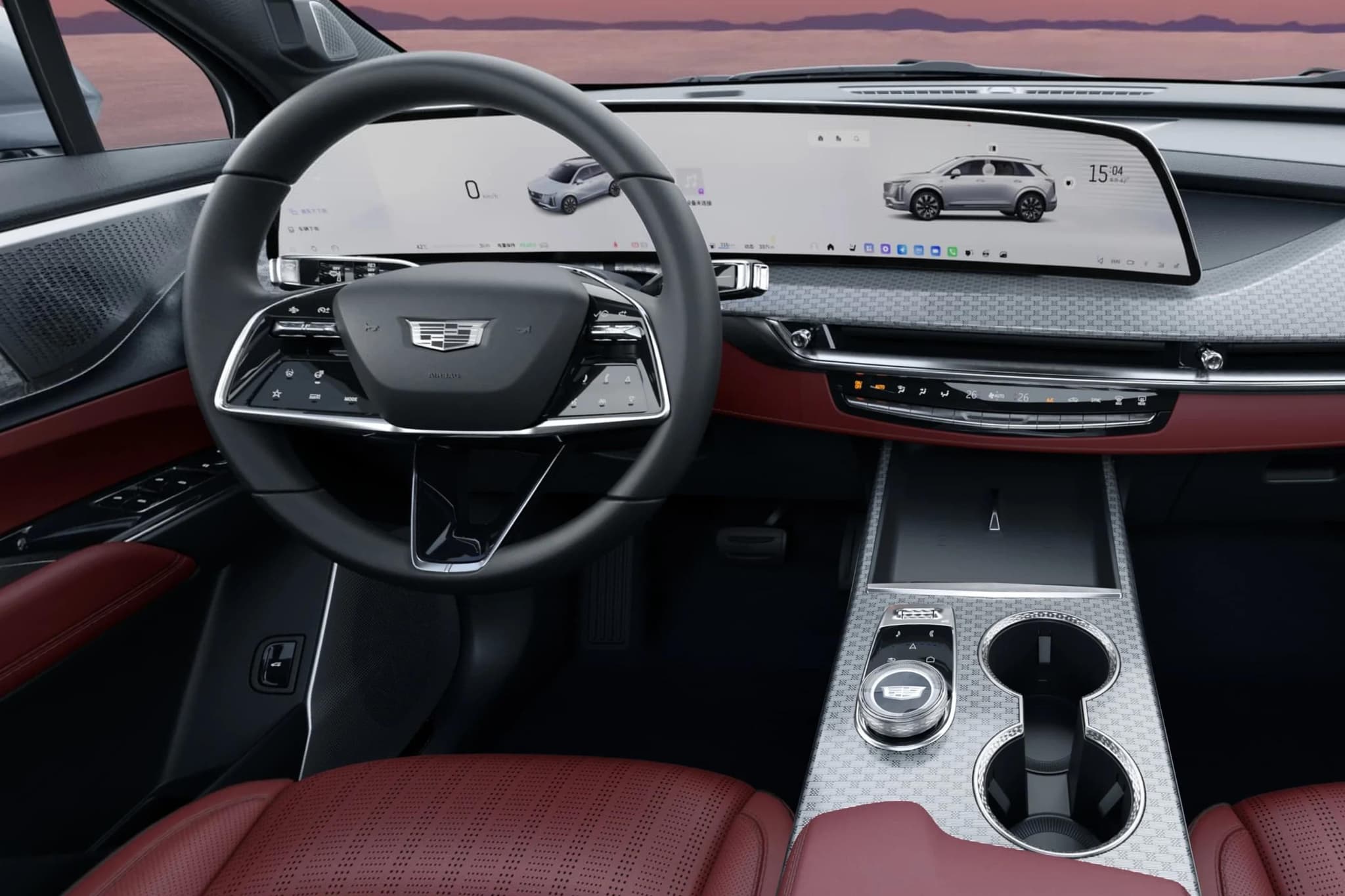
Inside, the cabin retains the design language of the latest XT5, including a large 33-inch curved display spanning the infotainment and digital instrument functions.
The second-generation XT5 is also offered with technology and styling cues shared with Cadillac's electric models, including the Lyriq.
Could the XT5 PHEV come to Australia?
The biggest question for Australian buyers is whether this Chinese-built Cadillac could eventually make the trip Down Under.
The Chinese-market XT5 is manufactured by the SAIC-GM joint venture in Shanghai, and GM is increasingly positioning its Chinese operations as a potential production and export hub.
The SAIC-GM joint venture, established in 1997, has had its agreement extended through to 2047. Chevrolet production in China is being wound down, while greater emphasis is being placed on Buick and Cadillac.

GM says it is exploring exports from China to regions including the Middle East, Africa, South America and Asia-Pacific. Exports of the Buick Electra E7 large PHEV SUV are due to begin in October.
That makes Australia a potential destination, particularly as GM has already confirmed that its Chinese joint venture will play a greater role in supplying vehicles to global markets.
However, GM Australia and New Zealand has not confirmed the XT5 PHEV for Australia.
“At this time, we have no announcements to make about future vehicles for the ANZ market,” a GM Australia and New Zealand spokesperson said.
There is also an interesting distinction between the Chinese and US markets. Cadillac launched this second-generation XT5 in China in 2024, but the model has yet to reach the US.
GM CEO Mary Barra said in July that the company will begin rolling out next-generation versions of the US-market XT5 and XT6 SUVs, along with the CT5 sedan, from the first half of 2027. Those launches are expected to continue through to 2028.
The US will therefore receive a locally built version of the XT5, while the Chinese-market version is produced in Shanghai.
For Australian buyers, the Chinese-built XT5 PHEV is therefore possible, but far from confirmed.
If GM does decide to expand Chinese-built Cadillac exports into Australia, the XT5 PHEV's combination of strong performance, meaningful electric range and fast charging could give it an interesting position in the premium SUV market.

