Key Points
- BYD Blade Battery 2.0 can charge from 10% to 70% in just 5 minutes
- BYD plans to build 20,000 flash charging stations in China in 2026, including 2,000 on highways
- The Seal 07 is the only BYD model with the new battery likely to come to Australia
BYD has officially unveiled its second-generation Blade Battery and a new flash charging system at a BYD tech event held on 5 March 2026. The next generation battery technology will now charge the next generation of BYD EVs as quickly as a quick stop at a petrol station
What Is the Second-Generation Blade Battery?
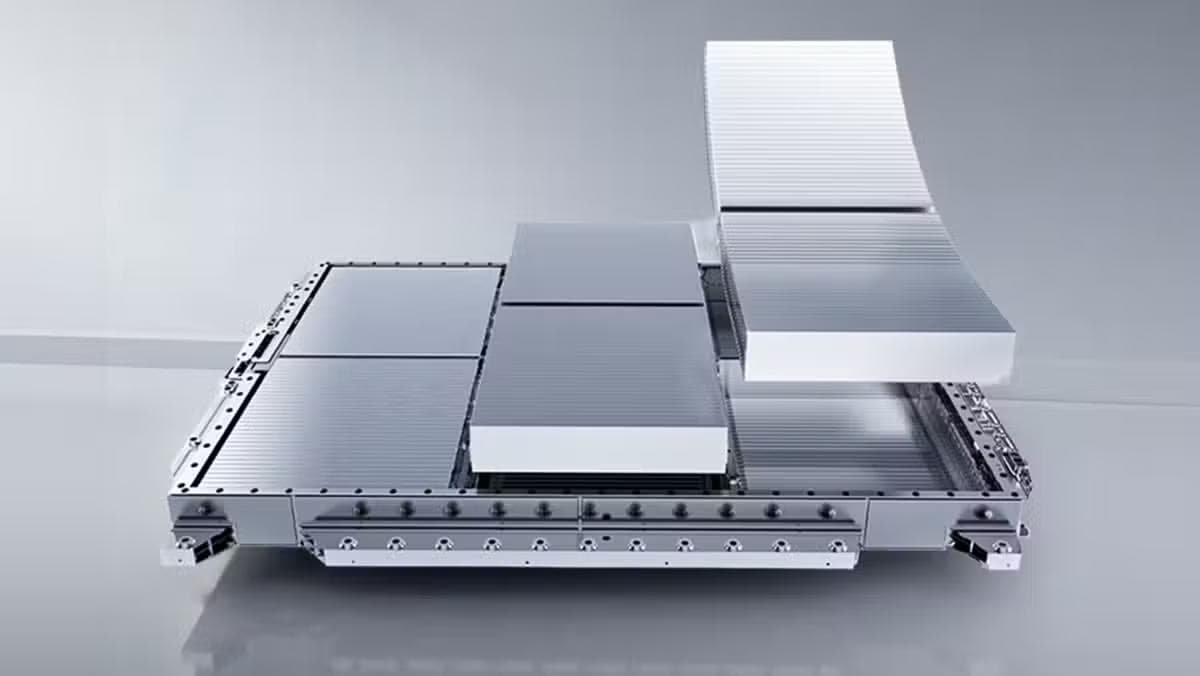
The new Blade Battery builds on BYD's existing lithium iron phosphate (LFP) chemistry. It delivers 5% higher energy density than the first generation, a longer lifespan and stricter safety standards.
The Denza Z9GT, fitted with the new battery, achieves a claimed range of 1,036 km (CLTC) on a single charge.
How Fast Does It Charge?
Charging speed is the headline feature. The second-generation Blade Battery charges from 10% to 70% in 5 minutes and from 10% to 97% in 9 minutes. On standard charging piles, it charges 30-50% faster than conventional EV batteries.
Cold weather performance is also strong. At -20 degrees Celsius, a 20% to 97% charge takes 12 minutes. At -30 degrees Celsius, the same charge takes 12 minutes as well, only 3 minutes longer than at room temperature.
The table below shows the 10% to 70% charging times for compatible BYD models:
Model | 10%-70% Time |
Yangwang U7 | 4m 54s |
Denza N9 | 4m 58s |
Fang Cheng Bao 3 | 4m 59s |
Seal 07 | 5m 01s |
Great Tang (Datang) | 5m 02s |
Sealion 06 | 5m 02s |
Song Ultra | 5m 03s |
Fang Cheng Bao Ti7 | 5m 09s |
Denza Z9GT | 5m 11s |
Yangwang U8L | 5m 11s |
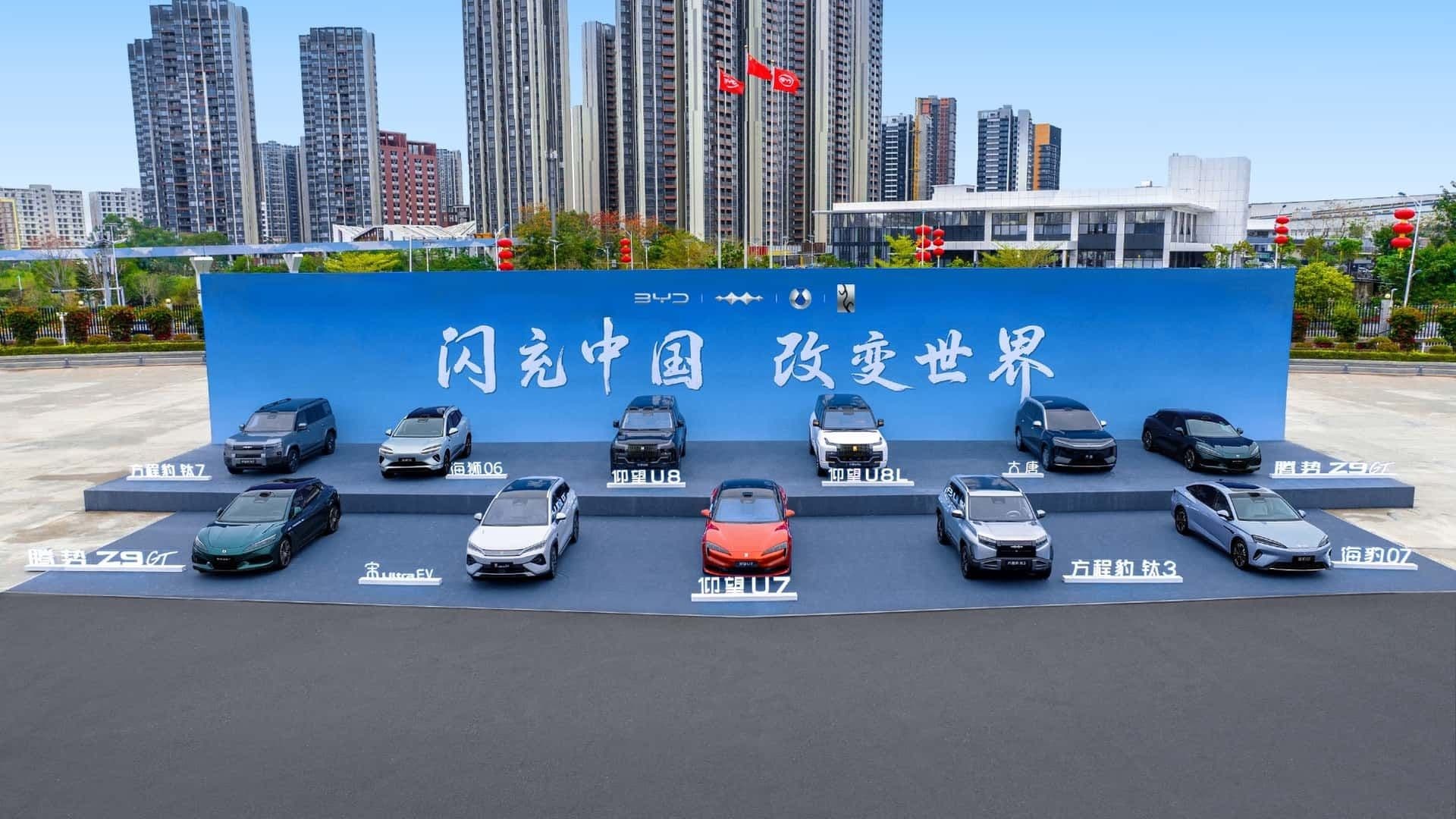
The table below shows the 10% to 97% charging times:
Model | 10%-97% Time |
Fang Cheng Bao 3 | 8m 45s |
Song Ultra | 8m 47s |
Sealion 06 | 8m 47s |
Seal 07 | 8m 47s |
Denza N9 | 9m 03s |
Fang Cheng Bao Ti7 | 9m 05s |
Yangwang U8L | 9m 07s |
Denza Z9GT | 9m 08s |
Yangwang U7 | 9m 23s |
Great Tang (Datang) | 9m 24s |
The New Flash Charging Stations
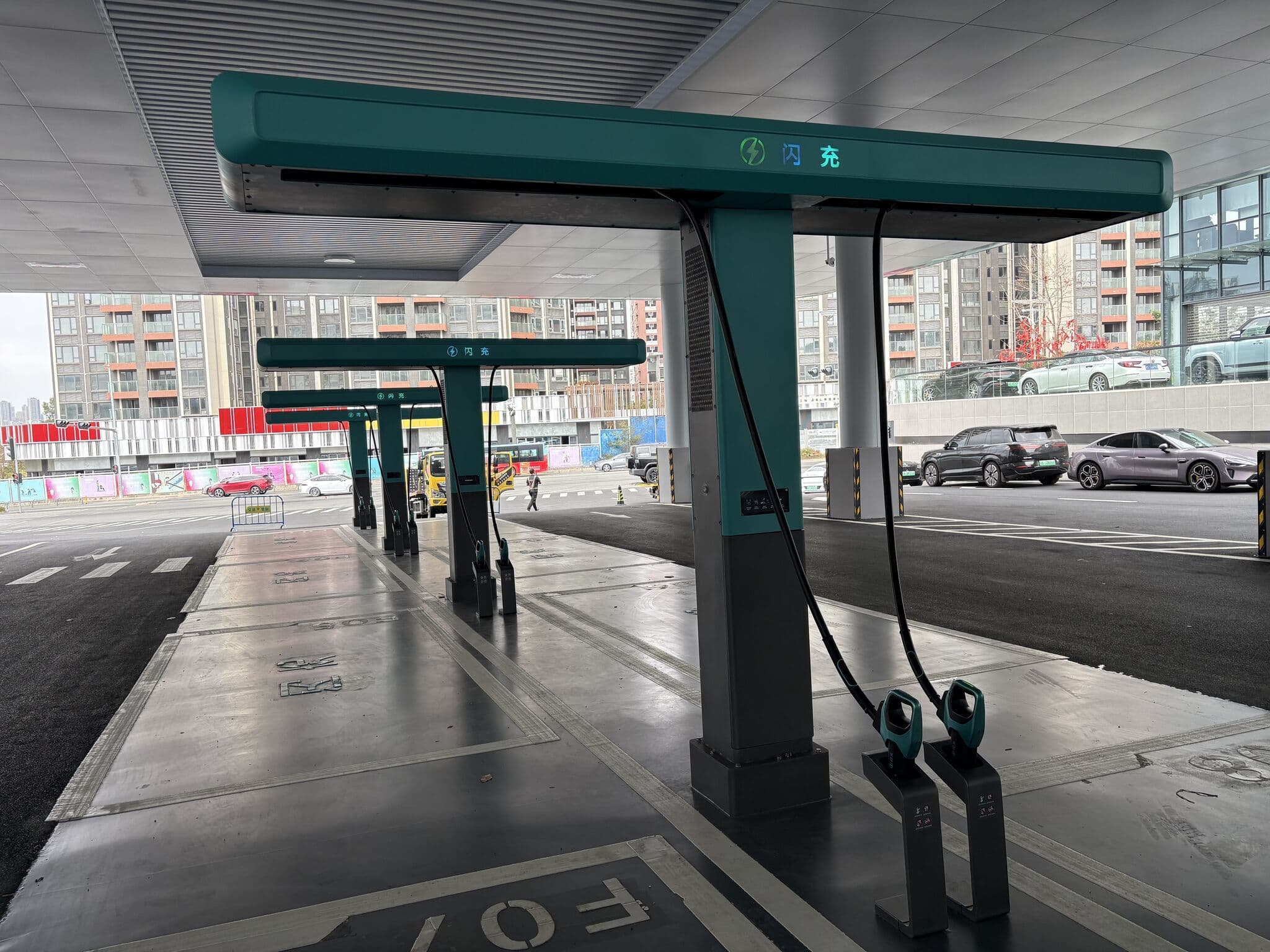
BYD is rolling out a new generation of flash charging stations to support the new battery. Each charging gun delivers up to 1,500 kW and operates at 1,000V. The stations use a T-shaped design with an upper sliding rail, making the charging gun easier to reach. The gun is more compact and includes waterproof protection.
![BYD second-generation flash charging station with T-shaped design]](/_next/image?url=https%3A%2F%2Fcdn.sanity.io%2Fimages%2Fo5m1ex7g%2Fproduction%2F37d36a1b1adb7f6a52586be8536dc9e2d369edd6-1368x770.webp&w=2048&q=75 "BYD second-generation flash charging station with T-shaped design]")
Like petrol stations, BYD flash charging stations will charge an idle fee for vehicles that stay connected after charging is complete.
Compatible vehicles will carry a dedicated flash charging badge on the tail to identify them.
How BYD Plans to Avoid Grid Overload
BYD CEO Wang Chuanfu acknowledged that ultra-fast charging puts pressure on the power grid. BYD's solution is to use energy storage batteries at each station. The stations will draw power from the existing public charging network to top up their storage batteries, then use that stored energy to deliver fast charges. This means BYD can expand its network without adding load to the grid.
The 2026 Rollout Plan
BYD aims to open 20,000 flash charging stations in 2026. Of those, 18,000 will use the station-within-a-station model, sitting inside existing public charging sites. Wang Chuanfu said installation is as simple as fitting an air conditioner.
In the first two months of 2026, BYD had already completed 4,239 stations. A further 2,000 highway stations are planned by year end, covering one-third of highway service areas and placing a flash charger every 100 km.
What About Australia?
BYD Australia has been building its EV charging network business in preparation for deployment over the next 12 to 18 months. Some of these chargers could be deployed at BYD and Denza dealerships across the country.
BYD’s new flash charging stations will have charging times that rival a quick stop at a petrol station. The system can add roughly two kilometres of driving range every second.
Of the BYD models compatible with the new Blade Battery 2.0, the Seal 07 is model that is likely to come to Australia. It was recently unveiled with a 705 km WLTP range and is seen as a strong candidate for the next generation of the BYD Seal in Australia.
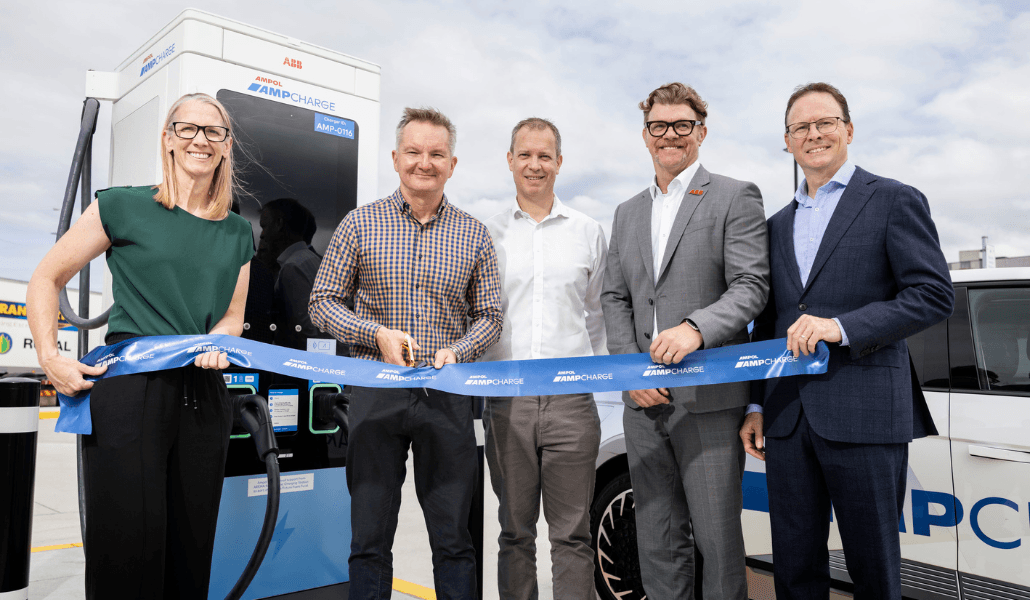
For Australian EV drivers, the fastest public charging site currently available is the Ampol site at Eastern Creek in Sydney, which supports up to 400 kW charging. The table below shows the fastest-charging EV models currently on sale in Australia.
# | Model | DC Charge Power | WLTP Range | Battery Size | Fast Charge (10-80%) |
1 | Zeekr 7x RWD | 450 kW | 480 km | 71 kWh | 13 min |
2 | Zeekr 7x Long Range RWD | 420 kW | 615 km | 95 kWh | 16 min |
3 | Zeekr 7x Performance AWD | 420 kW | 543 km | 95 kWh | 16 min |
4 | IM IM6 Platinum | 396 kW | 555 km | 96.5 kWh | 21 min |
5 | IM IM6 Performance | 396 kW | 505 km | 96.5 kWh | 21 min |
6 | IM IM5 Platinum | 396 kW | 655 km | 96.5 kWh | 21 min |
7 | IM IM5 Performance | 396 kW | 575 km | 96.5 kWh | 21 min |
8 | Lotus Eletre | 355 kW | 600 km | 109 kWh | 20 min |
9 | Lotus Eletre R | 355 kW | 450 km | 109 kWh | 20 min |
10 | Lotus Eletre S | 355 kW | 535 km | 109 kWh | 20 min |
The Zeekr 7x leads the list of fast charging EVs at 450 kW DC charging. None of the current Australian EV models can match the 1,500 kW output of BYD's new flash chargers.

About the author

Danny is a consultant and entrepreneur working at the cutting edge of the electric vehicle and energy transition. He is passionate about educating and helping consumers make better decisions through data.
