


Key Points
- The fully electric BMW iX5 60 xDrive has a claimed WLTP range of up to 845km and is due in Australia by mid-2027.
- The BMW X5 50e xDrive plug-in hybrid gets a bigger electric motor and up to 102km of WLTP electric range, also arriving here by mid-2027.
- BMW Australia will not sell the hydrogen-powered iX5 offered overseas, with petrol and diesel X5 variants landing first in the fourth quarter of 2026.
BMW has revealed the fifth-generation X5, confirming a fully electric iX5 and a plug-in hybrid X5 50e for Australia alongside the petrol and diesel line-up. The electric and PHEV versions are due here by mid-2027, after the combustion variants arrive in the fourth quarter of 2026.
The new X5 is built on BMW's Neue Klasse architecture and design language, already seen on the smaller iX3. Local pricing and detailed specifications for the electric and PHEV variants are yet to be confirmed.
iX5 60 xDrive: BMW's biggest battery yet
The iX5 60 xDrive is BMW's first fully electric X5 and uses sixth-generation BMW eDrive technology on an 800-volt architecture. It produces 425kW and 805Nm, enough for a claimed 0-100km/h time of 4.6 seconds.
The car runs the largest battery BMW has fitted to a production vehicle, at 144kWh in US specification and 141kWh for Europe. On the standard 21-inch wheels, BMW claims a WLTP driving range of up to 845km. DC charging tops out at 460kW.
BMW has not confirmed whether Australian-spec cars will use the US or European battery capacity. The iX5 also introduces BMW's Symbiotic Drive and Heart of Joy control systems, which the brand says sharpen throttle and brake response.

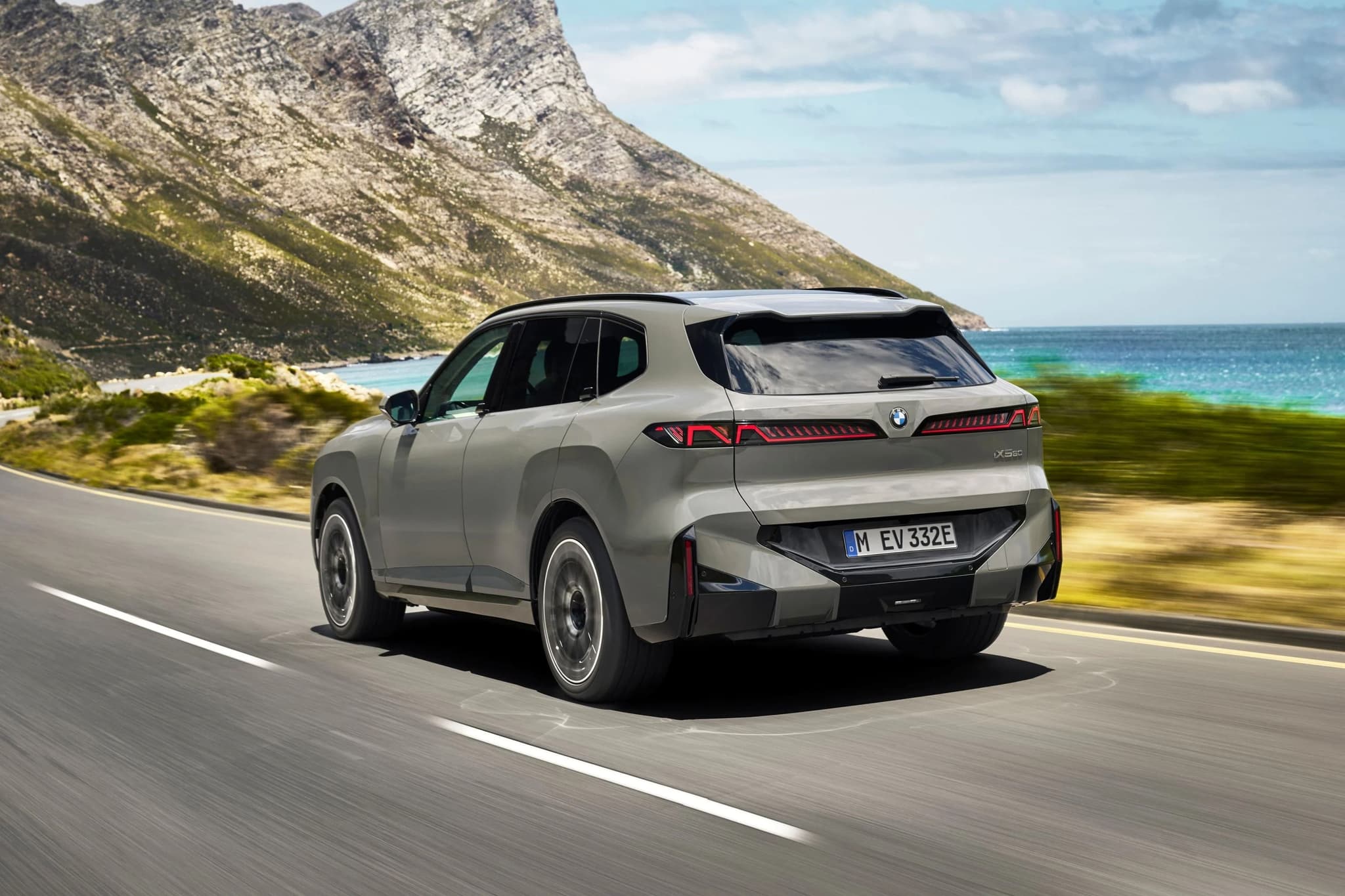
X5 50e xDrive: a bigger plug-in hybrid battery
The X5 50e xDrive plug-in hybrid carries over its combined outputs of 360kW and 700Nm, including a 145kW and 280Nm electric motor. WLTP electric-only range is rated at between 86km and 102km depending on wheel size, up from a best of 101km on the outgoing model.
BMW claims a 0-100km/h time of 5.0 seconds, 0.2 seconds slower than the current car, with the new PHEV weighing 145kg more at 2640kg in European specification. Claimed combined fuel consumption is listed at 5.2L/100km WLTP, a large jump from the outgoing model's 1.9L/100km claim.
BMW X5 electric and plug-in hybrid variants
Variant | Power and torque | Electric range (WLTP) | 0-100km/h | Australian arrival |
iX5 60 xDrive | 425kW / 805Nm | Up to 845km | 4.6 seconds | Mid-2027 |
X5 50e xDrive (PHEV) | 360kW / 700Nm combined | 86-102km electric-only | 5.0 seconds | Mid-2027 |
Australian timing and what's still unconfirmed
The petrol X5 40 xDrive and diesel X5 40d xDrive arrive in Australia first, during the fourth quarter of 2026, with pricing to be announced in the third quarter of 2026. The X5 50e xDrive PHEV and iX5 60 xDrive EV follow by mid-2027, though BMW has not yet released Australian pricing or final specification for either.
BMW Australia has also ruled out a local launch of the hydrogen fuel-cell iX5, which will be sold overseas only. Production of the new X5 range begins in August 2026 at BMW's Spartanburg plant in the United States, with the iX5 the first fully electric model to be built there.

Design and cabin changes shared across the range
The electric and PHEV variants share the same Neue Klasse-influenced exterior as the rest of the new X5 line-up, including a more upright kidney grille, adaptive LED headlights with double-X light signatures, and a drag coefficient as low as 0.29, down from 0.33 on the outgoing model.
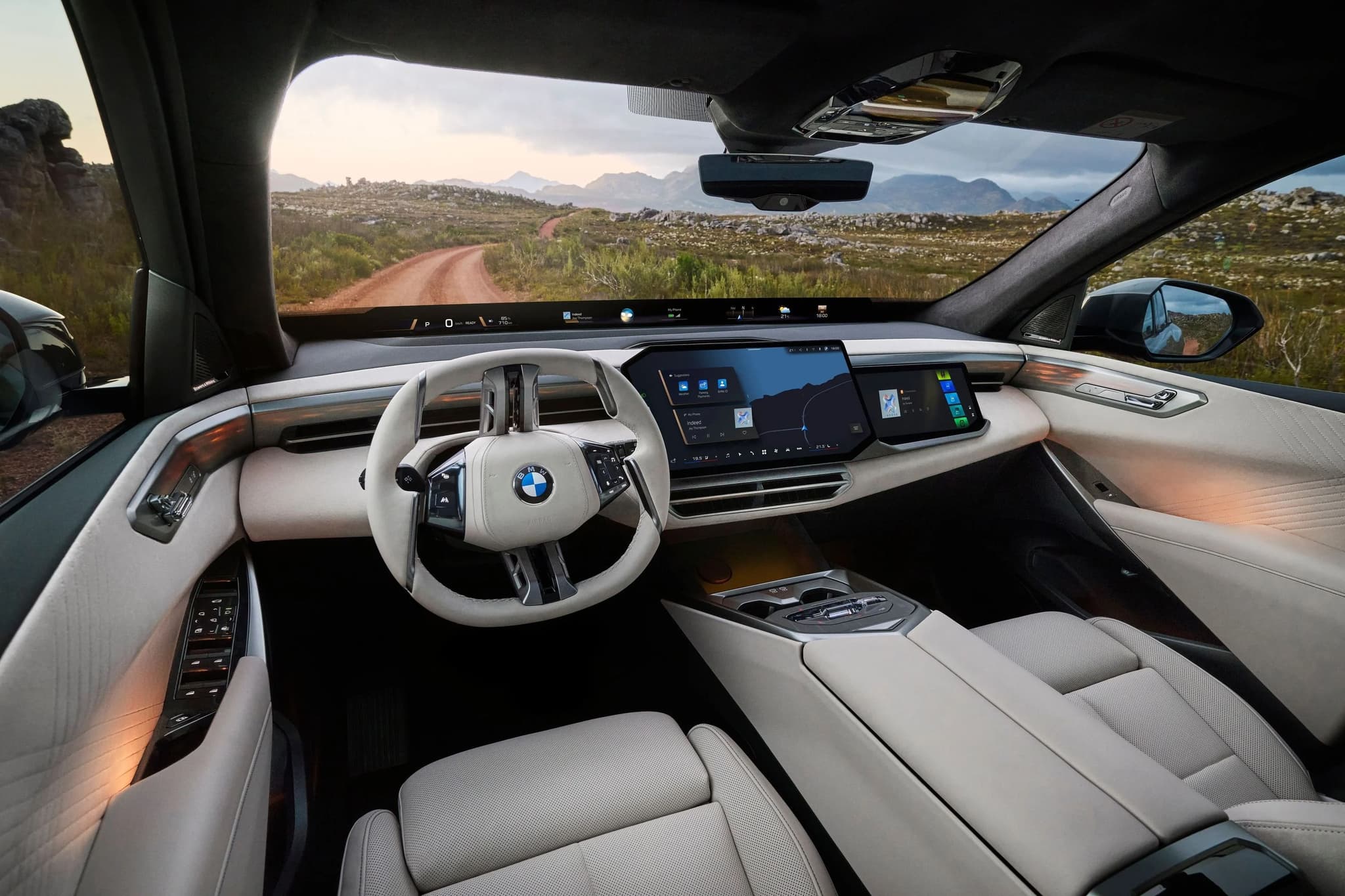
Inside, all variants get BMW's Panoramic iDrive running on BMW Operating System X, a 17.9-inch central display, a 3D head-up display, and projected information across the lower windscreen via BMW Panoramic Vision. An optional 14.6-inch passenger display, shared with the updated 7 Series, lets the front passenger stream video or use apps without needing to log in.



About the author

Danny is a consultant and entrepreneur working at the cutting edge of the electric vehicle and energy transition. He is passionate about educating and helping consumers make better decisions through data.
