
Key Points
- Federal government reviewing EV tax discount introduced in July 2022.
- Almost 100,000 Australians have benefited from the FBT exemption.
- Public submissions open until February 6, 2026.
The federal government will review the electric vehicle tax discount that has helped almost 100,000 Australians buy EVs over the past three years.
Public submissions on the policy's effectiveness are open until February 6, 2026.
What the Current Discount Offers
The discount started on July 1, 2022. It removes Fringe Benefits Tax (FBT) for EVs costing below $91,387. This is the Luxury Car Tax threshold for fuel-efficient vehicles.
The policy also removed tariffs on vehicles imported from countries without a Free Trade Agreement with Australia.

EV Discount Key Details
Policy Feature | Details |
Start Date | July 1, 2022 |
FBT Exemption Threshold | $91,387 |
Buyers Benefited | Almost 100,000 |
EV Market Share (End 2022) | 3.8% |
EV Market Share (November 2025) | 8.2% |
The Australian Treasury says EV sales share grew from 3.8 per cent at the end of 2022 to 8.2 per cent by November 2025.
Government Position on the Review
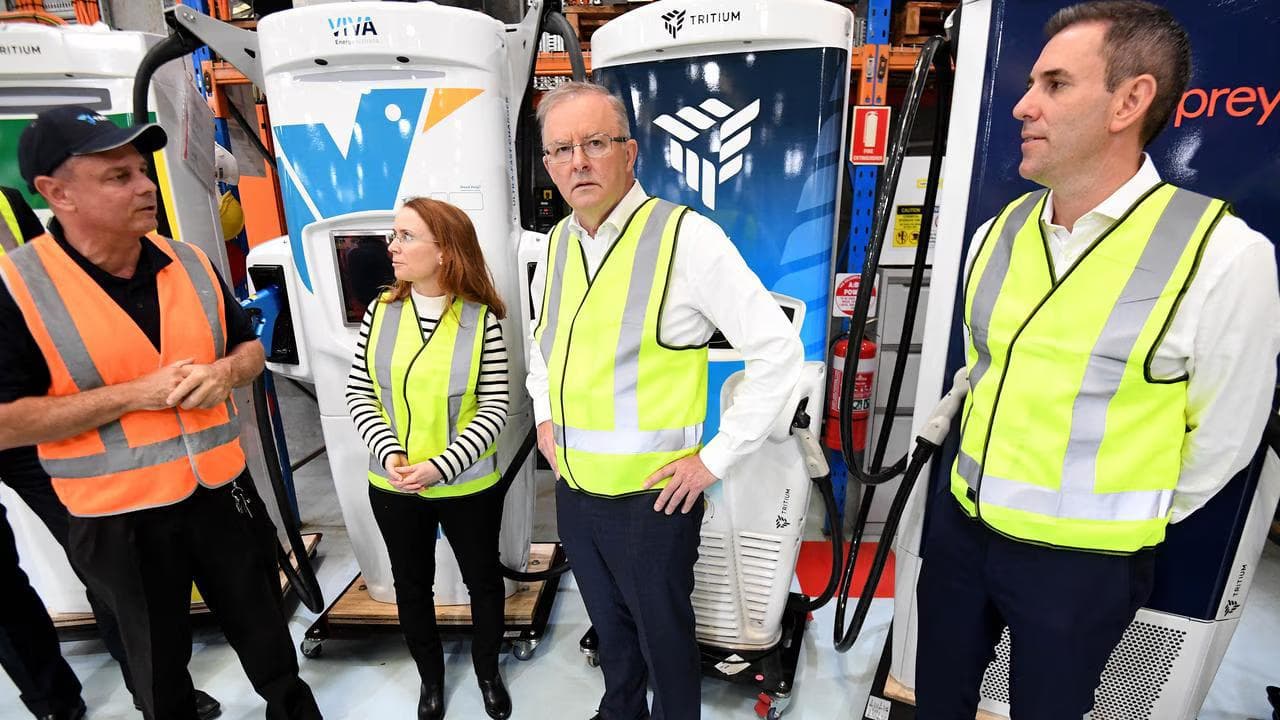
Treasurer Jim Chalmers said EV uptake has exceeded expectations.
'The take-up of electric vehicles over the past few years has exceeded expectations and that's been good for drivers, good for business and good for the climate,' Chalmers said.
'The electric car discount has made EVs cheaper to support early adoption, and the next step is to review the policy as we committed to do when we legislated it.'
The government has not suggested the discount will end. It also has not committed to renewing it.
Changes to PHEV Eligibility
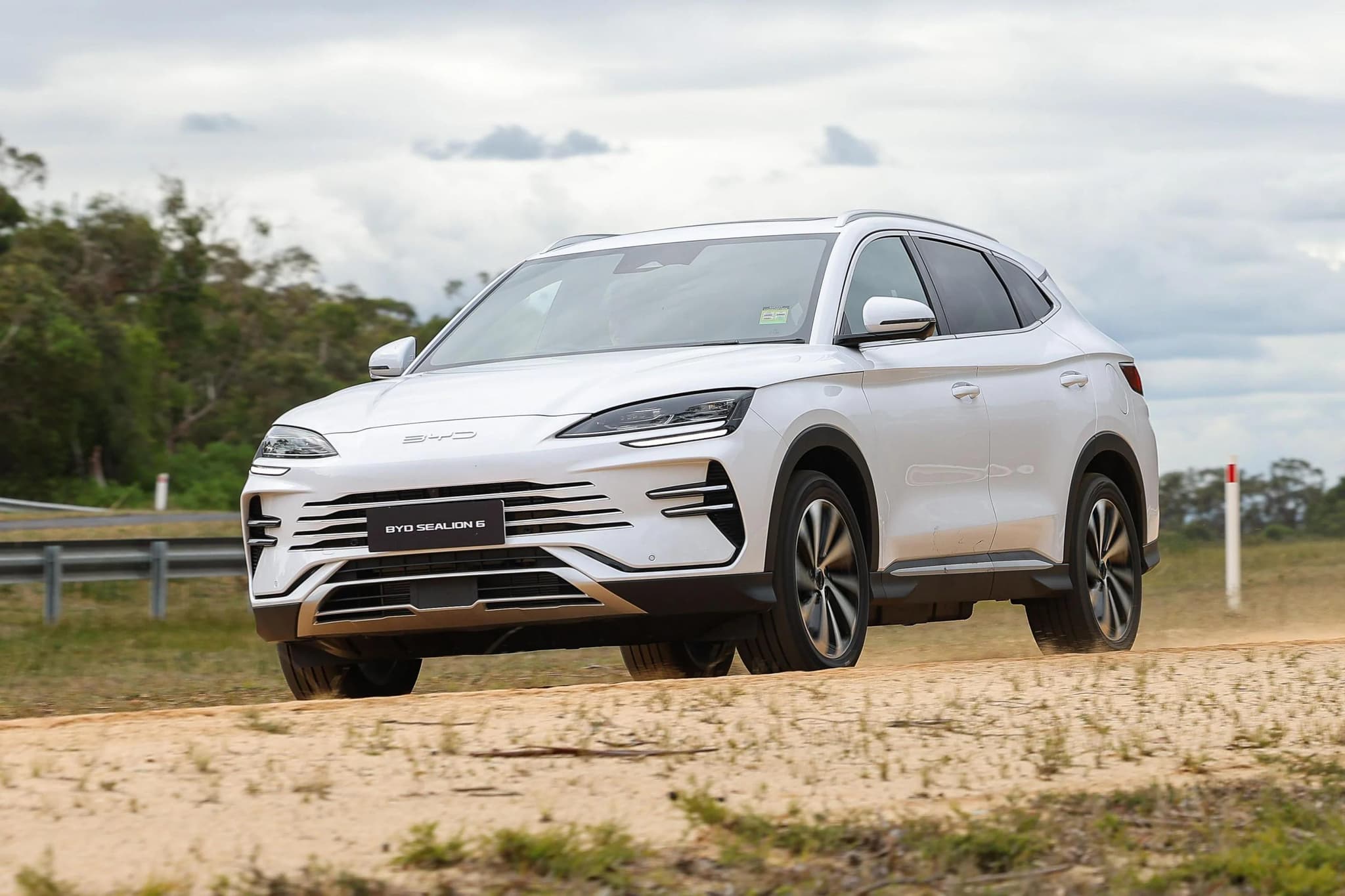
Plug-in hybrid vehicles (PHEVs) lost eligibility on April 1, 2025. This change received widespread criticism.
Popular PHEV models like the BYD Sealion 6 and Mitsubishi Outlander PHEV no longer qualify for the discount.
➡️MORE: PHEVs Lose Fringe Benefits Tax Exemption

Broader Government Emissions Strategy
The review comes as the government takes several steps to reduce carbon dioxide emissions.
The National Vehicle Emissions Standard (NVES) started on January 1, 2025. Automakers face fines if they breach strict carbon dioxide limits across all models they sell in Australia.
The government also launched the Vehicle-to-Grid Network (VGN) this week. The program encourages PHEV and EV owners to feed electricity back into the national grid.
Luxury Car Tax Discussion
Prime Minister Anthony Albanese recently suggested dropping Luxury Car Tax entirely. This would apply to all vehicles, not just low and zero-emission models.
The suggestion came during negotiations on a Free Trade Agreement with the European Union.
Impact on the Australian Market
The FBT exemption has been a major driver of EV adoption in Australia. The market share more than doubled from 3.8 per cent to 8.2 per cent in three years.
Removing or changing the discount could slow EV uptake. This would affect Australia's emissions reduction targets and the transition to cleaner transport.
The salary packaging industry has grown significantly around the discount. Changes could impact businesses and workers who rely on this benefit for cost-of-living relief.
Used EV prices may also be affected. The discount has helped create a stronger secondary market as more EVs enter the fleet.
What Happens Next
The government will accept public submissions until February 6, 2026. This gives stakeholders time to provide feedback on the policy's effectiveness.
The review will examine whether the discount should continue, be modified, or end. The government will consider the policy's impact on EV adoption, emissions reduction, and cost-of-living relief.
A decision is expected after the submission period closes.

About the author

Danny is a consultant and entrepreneur working at the cutting edge of the electric vehicle and energy transition. He is passionate about educating and helping consumers make better decisions through data.
