
Key Points
- New AADA-commissioned research shows 41% of Australian drivers would consider an EV for their next main vehicle, up from 38% in November 2025.
- The average price premium drivers say they'd accept for an EV has fallen to 2%, down from 6% in January 2024, as more affordable EV models enter the market.
- Cost of living pressure is a bigger factor in delaying car purchases than fuel prices or fuel supply insecurity, according to the same survey.
The Australian Automotive Dealer Association (AADA) has released the fifth wave of its Vehicle Market Sentiment Study, prepared by Zing Insights. The research surveyed 1,000 Australian drivers between 9 and 21 June 2026, with the sample representative by age, gender and household location.
The study tracks how Australians feel about replacing their next vehicle, with a particular focus on electric and hybrid vehicles. It finds EV consideration continuing to build slowly, even as inflation and global uncertainty make Australians more cautious about buying a new car at all.
Cost of living is delaying new car purchases
Over two in five Australian drivers (41%) say general inflation has caused them to reconsider or postpone their decision to buy a new car. A further 34% say uncertainty about global issues, such as conflicts or instability, has delayed their decision. Increased borrowing costs and interest rates were cited by 33% of drivers.
By comparison, rising fuel prices and fuel supply insecurity had a smaller effect on purchase timing. The same proportion of drivers said rising fuel prices delayed their purchase as said it brought their decision forward, suggesting fuel prices alone have only a weak influence on when people buy.
Factor | Made me reconsider or postpone | Had no impact on me | Brought forward my decision |
General inflation | 41% | 41% | 19% |
Global uncertainty (wars, instability) | 34% | 46% | 20% |
Increased borrowing costs/interest rates | 33% | 51% | 16% |
Increased RBA cash rate | 30% | 54% | 16% |
Rising fuel prices (petrol + diesel) | 29% | 43% | 28% |
Fuel supply insecurity | 25% | 46% | 29% |
Drivers are shifting toward SUVs, away from cars
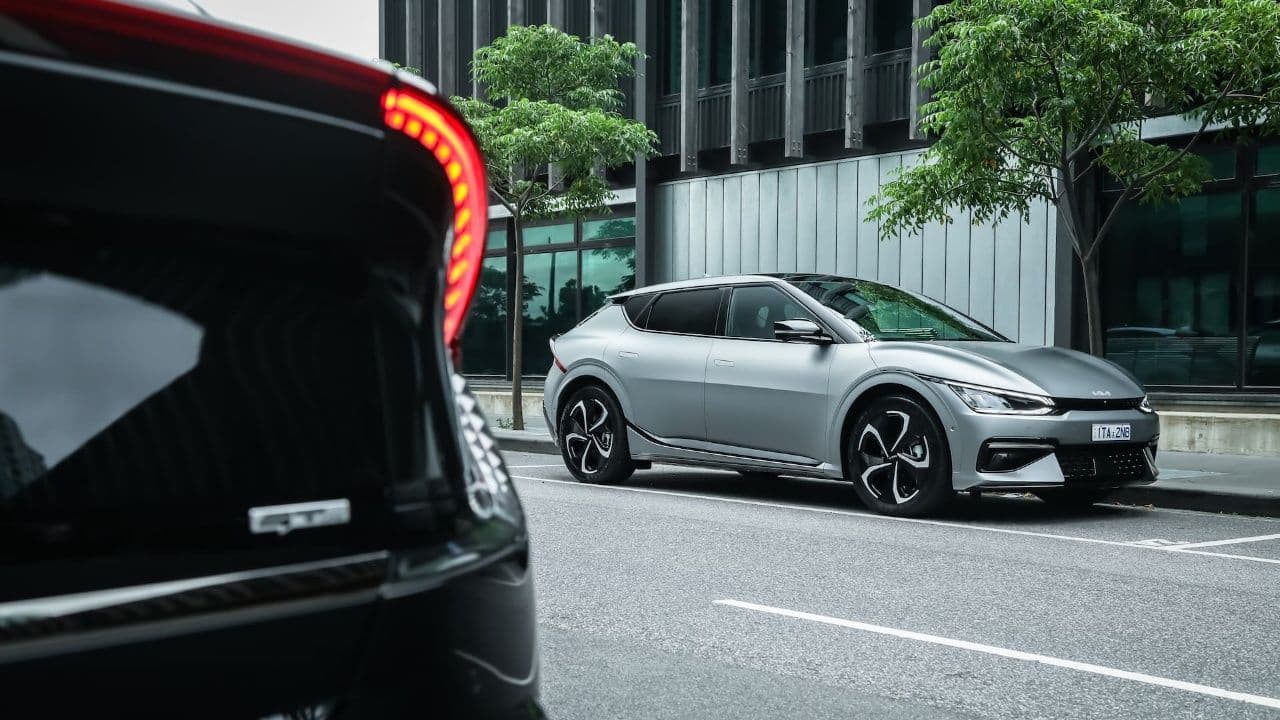
Future purchase intention shows a continued shift toward SUVs. Compared with the vehicles Australians currently drive, intention is trending toward small SUVs (11% currently owned vs 15% intended) and medium SUVs (27% vs 32%), and away from small cars (19% vs 12%) and medium cars (17% vs 13%). AADA notes this trend has held for three years running.
Vehicle type | Currently driven | Intend to drive next |
Small SUV | 11% | 15% |
Medium SUV | 27% | 32% |
Large SUV | 7% | 11% |
Light car | 6% | 3% |
Small car | 19% | 12% |
Medium car | 17% | 13% |
Large car | 5% | 4% |
People mover | 1% | 1% |
Sports car | 1% | 2% |
Utility | 5% | 5% |
Fuel type intentions are shifting too. Unleaded remains the most likely choice for a next vehicle (59%), down from 75% who currently drive an unleaded car. Consideration of EVs for a next vehicle sits at 26%, up from 22% in the previous wave, while plug-in hybrids are at 27% and traditional hybrids at 35%.
Fuel type | Currently driven | Would consider next |
Unleaded | 75% | 59% |
Diesel | 13% | 16% |
Traditional hybrid | 1% | 35% |
EV | 6% | 26% |
Plug-in hybrid | 3% | 27% |
EV consideration climbs to 41%
Asked specifically about their next main vehicle, 41% of drivers say they'd consider an EV, up from 38% in November 2025. Between 2022 and late 2025, this figure held steady between 38% and 39%, so the June 2026 result marks the first meaningful shift in over three years.
The average price premium drivers say they'd accept for an EV over an equivalent petrol vehicle has fallen to 2%, down from 6% in January 2024. Posed as a hypothetical (a $40,000 petrol vehicle available as an EV), the average price drivers would pay is $40,800. Only 2.8% of drivers said they'd pay nothing extra, down from 4.8% in the previous wave.
Measure | Nov 2024 | Nov 2025 | Jun 2026 |
Likelihood to consider an EV for next main vehicle | 39% | 38% | 41% |
Not open to an EV due to cost | 55% | 53% | 48% |
Agree governments should incentivise EV transition | 62% | 60% | 62% |
Agree less willing to pay more for an EV due to economic times | 64% | 63% | 60% |
Price premium willing to pay for an EV | +6% | +2% | +2% |
What's now driving EV consideration
The most common reasons drivers give for considering an EV are cheaper running and recharging costs compared with petrol or diesel (45%) and a sense that EVs represent the future of vehicles (45%). Being better for the environment ranks third (44%), but that figure has fallen from 49% in November 2025 and 67% in January 2024. It's the third consecutive wave to record a decline in the environment as a motivating factor.
Higher fuel prices are cited by 43% of drivers as a reason to consider an EV, while insecurity of fuel supply was raised by 31%. Further down the list: cheaper servicing (26%), good value for money (26%), improved charging infrastructure (22%), suitability for driving needs (17%) and government incentives (17%).
AADA's own summary of the data puts it plainly: the customer narrative for considering an EV has shifted from a social or environmental benefit to a more personal financial one, as fuel costs, pricing and broader economic conditions have changed.
Cost remains the biggest barrier
Among drivers unlikely to consider an EV, cost is still the top reason, cited by 48%, though that's down from 53% in November 2025 and 62% in January 2024. A perceived lack of charging infrastructure (46%) and not having the right setup at home to charge (42%) were the next most common barriers. EV recharge times (36%) and driving range (36%) also featured.
Barrier | % citing this barrier |
They cost too much | 48% |
Lack of charging stations/infrastructure | 46% |
Don't have the right home setup | 42% |
EV recharge times are too long | 36% |
Range/driving distance before recharge | 36% |
Costs of repair are too high | 33% |
Not necessary to change to EV | 28% |
Cost of insuring EVs is too high | 26% |
Resale value won't hold up | 24% |
When drivers were asked to name the three most important factors in a future EV purchase, purchase price came first (52%), followed by battery lifespan (46%) and driving range (33%). Warranty (25%) and short charge times (22%) rounded out the top five. Tech and features, service and aftersales offers, and dealer experience ranked lowest.

How intention varies by vehicle, timeline and buyer type
EV consideration is higher among drivers intending to buy a medium SUV (28%), large SUV (30%), light car (26%) or small car (29%), and lower among those planning a small SUV (24%) or large car (23%). Compared with November 2025, consideration grew significantly among those looking to buy a medium SUV, small car, light car and medium car.
Drivers planning to buy new are far more likely to consider an EV (32%, up from 26% in November 2025) than those planning to buy used (13%). Consideration is also highest among drivers looking to replace their vehicle within the next 12 months (35%) or in 2 to 3 years' time (28%).
Replacement timeline | 2025 | 2026 |
Within next 12 months | 30% | 35% |
2-3 years' time | 22% | 28% |
4-5 years' time | 22% | 21% |
Greater than 5 years' time | 14% | 20% |
Who's most likely to consider an EV
Men (47%) are more likely than women (35%) to say they'd consider an EV, and drivers under 35 (56%) are far more open to one than those aged 65 and over (23%). Drivers in above-average income households (56%) are also more likely to consider an EV than those in below-average income households (28%).
Consideration is highest among drivers in Sydney (53%), Melbourne (52%), Perth (43%) and Brisbane (38%). Compared with November 2025, consideration has grown significantly in outer metro areas (48%, up from 40%) and rural areas (26%, up from 19%), while consideration in inner metro areas has eased slightly (45%, down from 51%).

How EV buyers research and buy
Among the small cohort of current EV owners in the sample (25 respondents), research timelines varied widely. 40% researched for less than 3 months before buying, while 24% took longer than 12 months to decide.
For those open to buying an EV in future, the clear preference is to buy new (71%), rather than used (25%) or ex-demo (23%). Fewer than one in ten are thinking about vehicle finance (9%) or a lease (8%) as their buying method.
Online search is the most useful information source when researching an EV (73%), ahead of dealers (53%), word of mouth from friends or family (41%), online forums and reviews (31%) and media articles (21%).
Who should pay for charging infrastructure
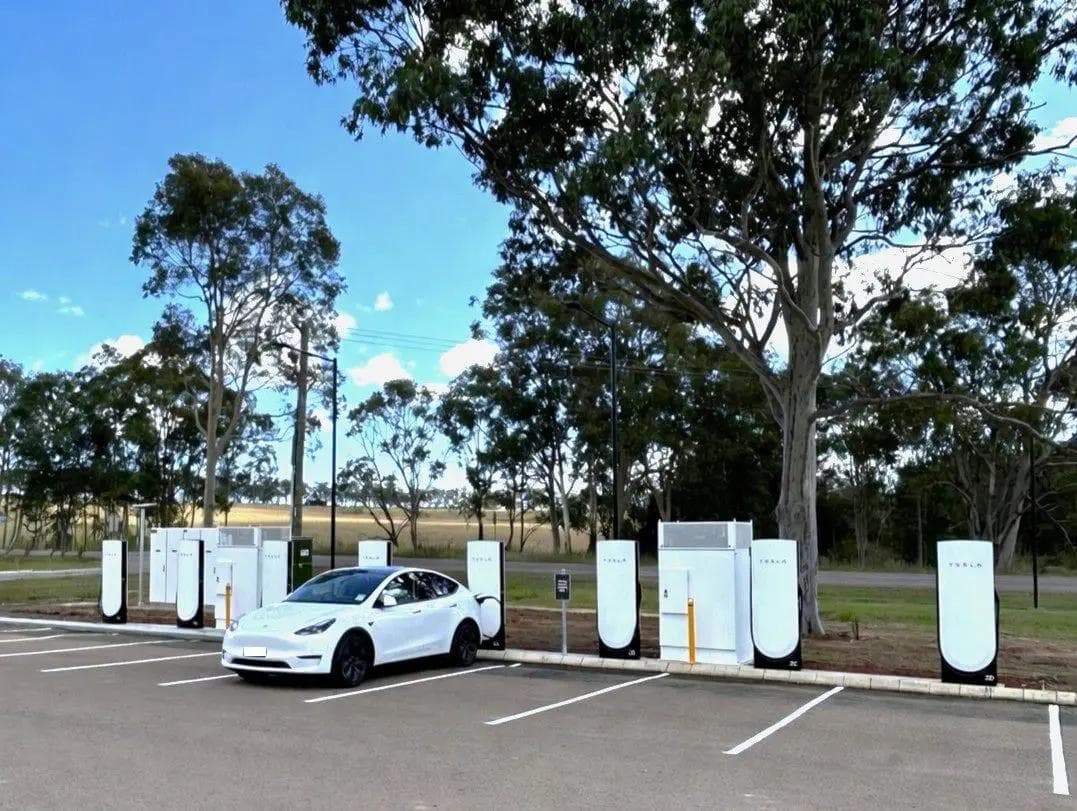
Drivers are split on who should be primarily responsible for rolling out new EV charging infrastructure: 33% say the Federal Government, 25% say private companies and 22% say state governments. Another 18% say they don't know.
On where people buy, 58% of drivers say they still like to look at vehicles from dealers close to home. But when it comes to the actual purchase, 47% say they don't really care how far away a vehicle is sold from, so long as they can find the vehicle they want at the lowest price.

Where to next
AADA frames the overall picture as a slow but real shift. EV consideration has grown from 38% to 41% over six months, environmental motivation continues to decline, and price sensitivity remains high. The report notes that EV growth still looks confined to specific driver cohorts, including younger drivers, men, higher income households and capital city residents, rather than becoming a mass market trend at this stage.


About the author

Danny is a consultant and entrepreneur working at the cutting edge of the electric vehicle and energy transition. He is passionate about educating and helping consumers make better decisions through data.
