Australia’s shift toward cleaner vehicles is accelerating at a pace the country has not seen in decades. A new report from the National Transport Commission reveals that light-vehicle emissions recorded in 2023 and 2024 fell faster than at any time in the past twenty years, a trend closely linked to the rapid rise of hybrid and electric vehicles across the nation.
Industry groups say this is no coincidence. They argue that one policy in particular is doing the heavy lifting: the Electric Vehicle FBT exemption.
▶️MORE:Electric Car FBT Exemption Explained (2025)
The Policy Fueling Australia’s EV Momentum
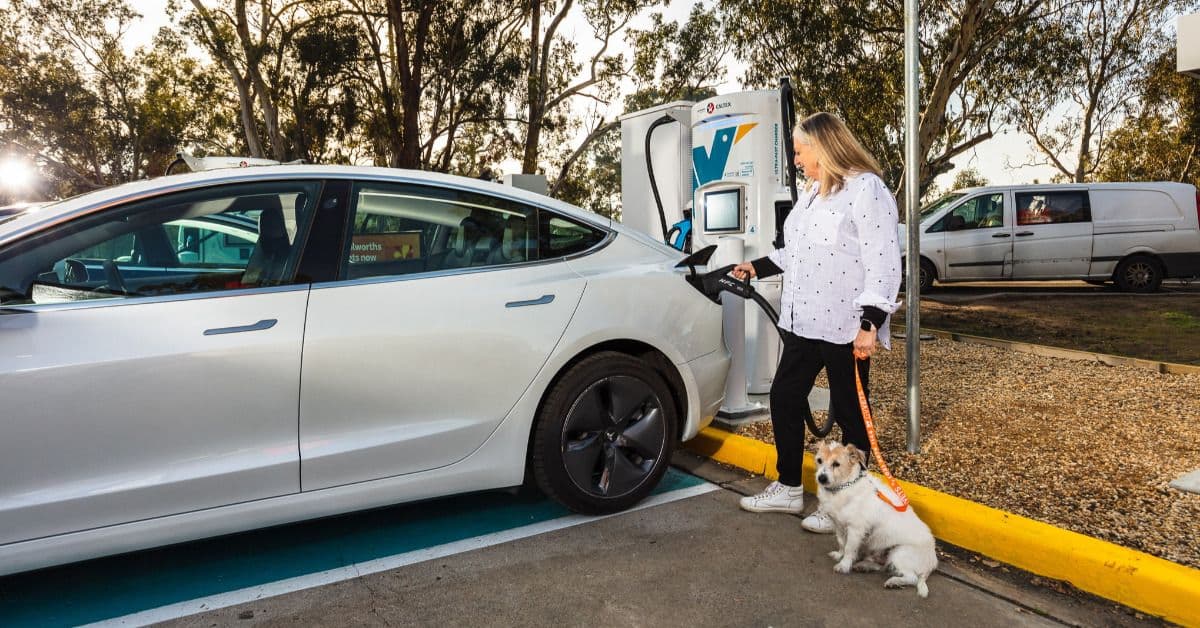
Battery electric vehicles made up 13%of new light-vehicle registrations in 2024. Even more striking, 94% of all BEVs currently on Australian roads arrived after 2021, aligning almost perfectly with the introduction of the Federal EV FBT exemption.
For the National Automotive Leasing and Salary Packaging Association, that alignment is no accident.
Rohan Martin, the association’s CEO, said the numbers match what leasing data has shown for years.
- The EV tax cut reduces upfront costs for everyday buyers
- Essential workers, including teachers and nurses, often credit the exemption as the deciding factor
- Families in outer-metropolitan areas are adopting EVs at the fastest rate
Martin explained that long commutes and rising fuel prices make the move to electric especially appealing for these households.
▶️MORE: Introduction to Electric Vehicles: BEV vs PHEV vs HEV

Australia Still Behind Global Leaders
Despite the progress, Australia is far from an electrification success story. Only around 2% of the total fleet is currently electric, keeping the country well behind global front-runners.
The average new Australian passenger vehicle still emits 35% more CO₂ than a typical European one. Martin believes that continued support through novated leasing and the EV tax cut is essential if Australia hopes to hit its emissions targets.
He also noted that novated leasing plays a surprisingly powerful role. It pushes more Australians into newer cars more frequently, helping bring cleaner vehicles into the fleet at a faster rate than traditional private purchases.
▶️MORE: Why EVs Still Win the Emissions Battle – Even With Battery Production
Why Keeping the EV Tax Cut Matters
Independent modelling from Magenta Advisory suggests that extending the EV tax cut for the next decade could drastically change Australia’s emissions trajectory. Their findings show:
- A ten-year extension could halve light-vehicle emissions
- Every dollar invested in the EV Discount currently returns more than two dollars in economic, health and environmental benefits
- That return could climb to three dollars by 2030
Martin said extending the policy would not only boost new EV sales but also build a stronger second-hand EV market, which is crucial for broader accessibility.
He pointed to global examples where widespread EV adoption occurred only after sustained incentives were paired with supply-side measures.
“The world’s most successful EV markets never cut incentives early,” he said. “They keep support in place until the tipping point is well behind them. Australia is nowhere near that yet.”
