
Key Points
- The Tesla Model Y became Australia's best-selling vehicle in May 2026, the first time an electric vehicle has ever topped the VFACTS national sales chart.
- Battery electric vehicles reached 22.0% of all new-car sales in May 2026, up 111.7% year-on-year, with 21,303 units delivered.
- PHEV sales grew 202.3% year-on-year to 9,315 units, meaning plug-in vehicles of all types made up nearly one in three new cars sold.
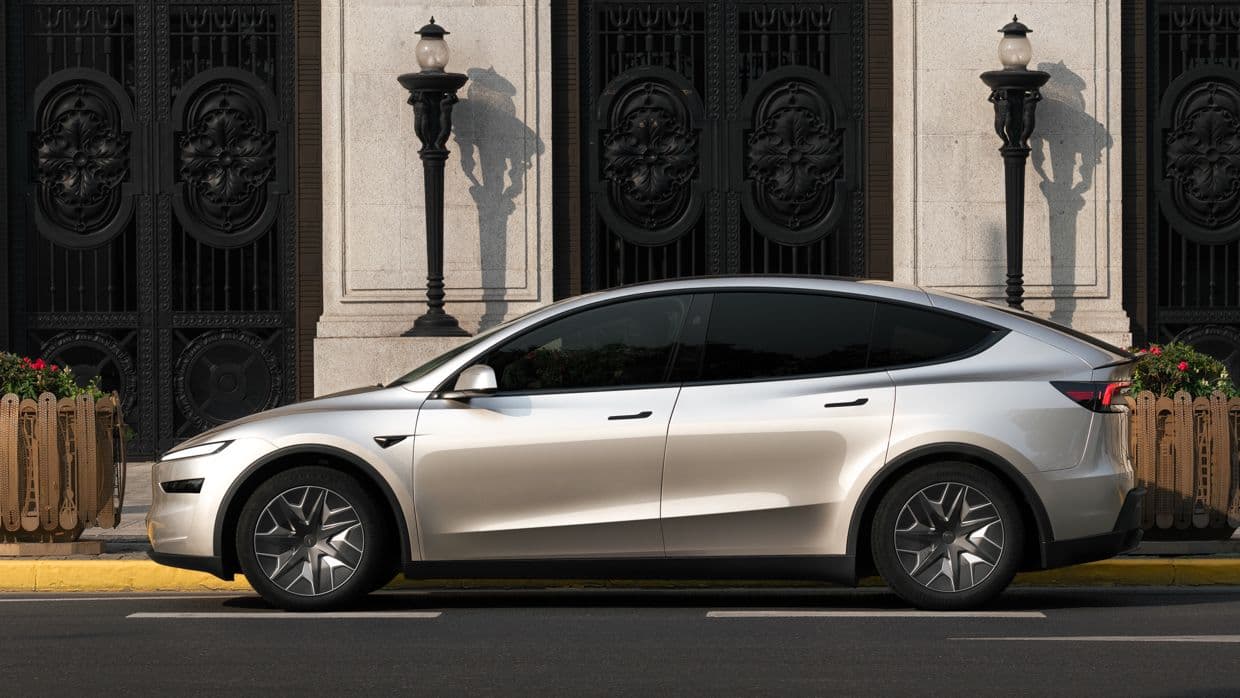
Australia recorded 21,303 battery electric vehicle sales in May 2026, up 111.7% on year-on-year and up 37.8% on April 2026. For the first time in Australian automotive history, the best-selling vehicle for the month was a battery electric car: the Tesla Model Y. BEV sales now account for 22.0% of the new-car market.
Total new vehicle sales (excluding heavy commercial vehicles) came in at 103,525 for the month, down 2.6% on May 2025. Petrol fell 30.3% year-on-year to 28,692 units and diesel dropped 26.2% to 25,191 units. Against that backdrop, plug-in hybrids (PHEVs) added 9,315 units, up 202.3% year-on-year. Together, BEVs and PHEVs accounted for 31.7% of all new cars sold.
The continued fossil fuel supply crisis remains the primary structural driver. FCAI chief executive Tony Weber said the data demonstrates that new vehicle efficiency standards (NVES) are encouraging manufacturers to bring more low-emissions vehicles to Australia, increasing both consumer choice and technology availability. Chinese brands continued to expand their share of the BEV market, with Geely placing 13th overall as a brand in its best month yet in Australia, and BYD recording its second consecutive month as Australia's second-best-selling brand, up 154.6% year-on-year.
Drivetrain Performance
BEVs and PHEVs were the only drivetrains to post meaningful year-on-year growth in May. Petrol fell 30.3% and diesel dropped 26.2% on May 2025 levels. Hybrids grew 11.3%, continuing a steady upward trend, but the pace of growth was well below BEV and PHEV. Combined, BEV, PHEV, and HEV deliveries made up 50.7% of all new-car sales.
The PHEV result stands out. A 202.3% year-on-year increase to 9,315 units is exceptional by any measure, and it suggests the fuel crisis is driving buyers toward plug-in options regardless of whether they are ready to go fully electric.
Sales by Drivetrain - May 2026
Drivetrain | May 2026 Sales | Market Share | MoM Growth | YoY Growth |
Petrol | 28,692 | 29.7% | +13.0% | -30.3% |
Diesel | 25,191 | 26.0% | +12.4% | -26.2% |
Hybrid (HEV) | 19,024 | 19.7% | +4.7% | +11.3% |
PHEV | 9,315 | 9.6% | -3.3% | +202.3% |
Electric (BEV) | 21,303 | 22.0% | +37.8% | +111.7% |
2026 YTD
Latest Month (September 2026)BEV and PHEV Sales Breakdown
BEV sales reached 21,303 units in May 2026, up 111.7% on May 2025 and up 37.8% on April 2026. That is the strongest year-on-year BEV result on record. BEVs now hold a 22.0% share of the total new-car market.
PHEVs added 9,315 units at 9.6% market share, down 3.3% month-on-month but up 202.3% year-on-year. The extraordinary year-on-year figure partly reflects how weak PHEV volumes were in May 2025. Combined, BEVs and PHEVs made up 31.7% of all new cars sold in May.
The ongoing fossil fuel supply disruption is the key factor. The Driven reports that Tesla's record May result came as EV interest surged in response to the global fuel crisis. New model arrivals across multiple brands also contributed, with the Hyundai Elexio (103 units), IM IM5 and IM6 (63 and 51 units respectively), and Deepal S07 and E07 (89 and 82 units respectively) all registering meaningful first or early deliveries.
BEV vs PHEV - May 2026
Powertrain | May 2025 | May 2026 | YoY Growth | Market Share |
BEV | 10,063* | 21,303 | +111.7% | 22.0% |
PHEV | 3,081* | 9,315 | +202.3% | 9.6% |
EV Sales in Australia

Top Selling BEV Models
The Tesla Model Y delivered 5,605 units and topped the overall VFACTS chart for the first time ever, making it the first electric vehicle to become Australia's best-selling car in a single month. The Geely EX5 was second among BEVs with 1,814 units, contributing to Geely's best month yet in Australia. The BYD Sealion 7 held third with 1,538 units, up 215.2% year-on-year according to CarExpert.
BYD placed five models in the top ten. The Atto 2 (778 units) and Atto 1 (768 units) both ranked among the top seven, with the Atto 1 also claiming the title of Australia's best-selling light car for the month. The Zeekr 7X continued its strong run with 966 units, placing fourth overall among BEVs.
Top 10 BEV Models - May 2026
Rank | Model | May 2026 |
1 | Tesla Model Y | 5,605 |
2 | Geely EX5 | 1,814 |
3 | BYD Sealion 7 | 1,538 |
4 | Zeekr 7X | 966 |
5 | Tesla Model 3 | 828 |
6 | BYD Atto 2 | 778 |
7 | BYD Atto 1 | 768 |
8 | BYD Atto 3 | 627 |
9 | BYD Seal | 581 |
10 | MG MG4 | 580 |
Top BEV Brands
Tesla was the top BEV brand in May with 6,433 combined deliveries across the Model Y and Model 3, this is Tesla's best-ever monthly result in Australia. Tesla placed sixth overall in the national brand chart, tied with June 2023 for its highest-ever placing. The Model Y's status as the only six-seat BEV on sale in Australia, from $74,900, appears to be a factor in its continued dominance according to EVC data.
BYD was second with 4,612 units across six models, led by the Sealion 7. BYD was also Australia's second-best-selling brand overall in May for the second consecutive month, up 154.6% year-on-year. Geely took third position in the BEV brand table with 1,814 units, all from the EX5, and placed 13th in the national brand chart in its best month to date. Zeekr (1,043 units) and Kia (1,026 units) rounded out the BEV top five. EVC CEO Julie Delvecchio called May an important moment for Australia's EV transition, noting that when fuel prices hurt, buyers look for alternatives.
Top 10 BEV Brands - May 2026
Rank | Brand | May 2026 |
1 | Tesla | 6,433 |
2 | BYD | 4,612 |
3 | Geely | 1,814 |
4 | Zeekr | 1,043 |
5 | Kia | 1,026 |
6 | MG | 838 |
7 | Volkswagen | 452 |
8 | Hyundai | 205 |
9 | Toyota | 203 |
10 | BMW | 192 |

May 2026 marks three consecutive months of record or near-record BEV market share in Australia. FCAI's Tony Weber said regulatory stability and growth in public charging infrastructure are now critical to maintaining investment and consumer confidence, particularly during a period of global economic uncertainty.


About the author

Danny is a consultant and entrepreneur working at the cutting edge of the electric vehicle and energy transition. He is passionate about educating and helping consumers make better decisions through data.
