Quick answer: Charging an electric car at home costs about $18 for a full 60 kWh charge at 30c per kWh. Public fast chargers cost $24 to $42 for the same charge. Per 100 km, charging costs between $0.76 and $9.09 depending on the source, and home grid charging is about 77 per cent cheaper than petrol.
Electric cars have become increasingly popular in Australia, achieving record growth over the last few years. Fuelling this growth are generous government incentives, falling EV prices, and record petrol costs.
If you're considering the switch to an electric car, it's important to know how much it costs and how long it takes to fully charge it. In this article, we'll answer the most frequently asked questions about the cost to charge an electric car in Australia.
➡️TRY: EV Charging Calculator
How Much Does it Cost to Charge an Electric Car?
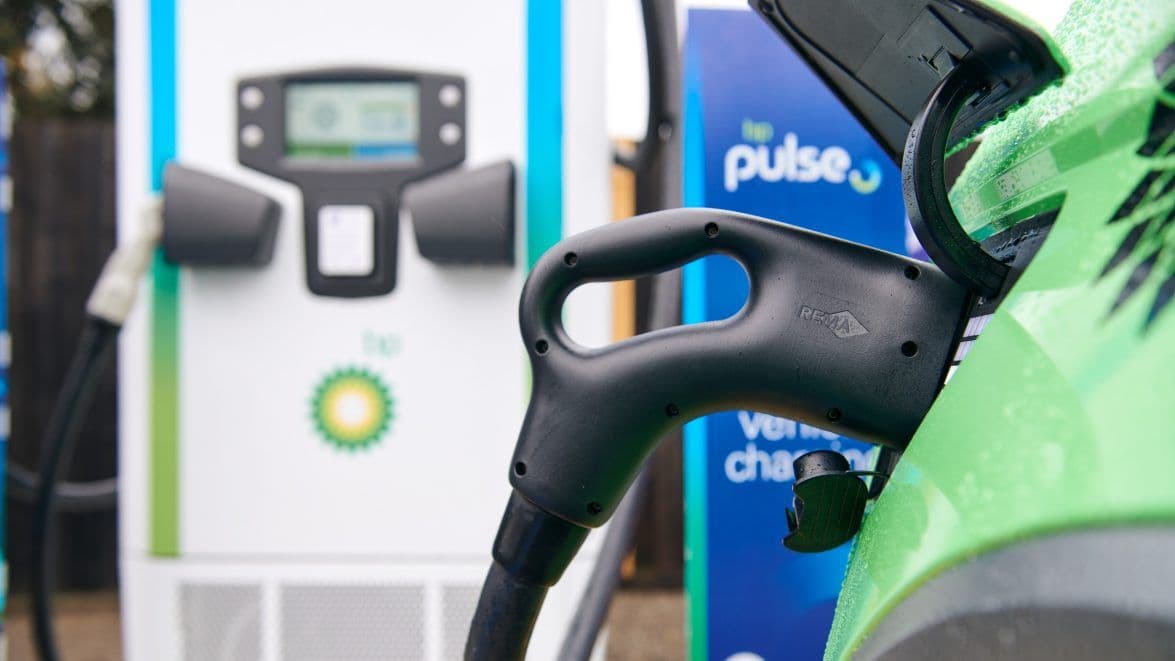
The cost of charging an electric car depends on the model and the source (charging station used). To illustrate the difference in cost, we've analysed the cost per 100km based on average prices you would typically from each source. We have chosen a BYD Atto 3 Extended Range and the Nissan Qashqai as the electric and petrol vehicles we'll compare.
Compared to petrol options, charging an electric car is substantially cheaper for the same distance covered. Using public fast chargers will yield a 53 per cent saving, charging from the grid at home is 77 per cent cheaper, but if you're lucky enough to charge from your own solar system, the saving is 96 per cent.
Based on this example, the cost of charging an electric car costs between $0.76 to $9.09 per 100km, depending on how it is charged.
Cost to charge a 60 kWh EV by charging source
Charging source | Price per kWh | Full charge (60 kWh) | Saving vs petrol |
Public fast charger | $0.40 to $0.70 | $24 to $42 | 53% |
Home (grid, standard plan) | $0.30 | $18 | 77% |
Home (own solar) | Lowest ($0.76 per 100 km) | Lowest | 96% |
For a personalised calculation, use our charging calculator to determine the time and cost of charging your EV.
A few clarifications to note with regards to the above analysis:
- The range you get from a full battery in an electric car is generally less than a full tank in a petrol car. It is therefore not a like-for-like comparison.
- The best way to compare the cost of filling up a petrol car and fully charging an electric car is by comparing the cost of covering the same distance. In this case, we’ve used 100km as the measurement basis.
- Petrol prices generally operate within a given range irrespective of type or geography. Electricity prices on the other hand can vary significantly, depending on where the electricity is sourced (i.e. public fast chargers, the grid, solar).
How Much Does it Cost for an Electric Car to be Fully Charged?
The cost to fully charge an electric car will depend on the size of the battery and the electricity rate of the charging station being used. As we mentioned earlier, on average, you can expect to pay between $0.40 and $0.70 per kWh at public fast charging stations. This means that a 60kWh battery, such as the one found in the BYD Atto 3 Extended Range, would cost between $24 and $42 to fully charge, providing about 450km of range.
Fully charging an electric car at home would be significantly cheaper. For example, paying a flat tariff of $0.30 per kWh on a standard electricity plan would mean the same electric car would cost $18 for a full charge. An off-peak EV plan can cut that further. Compare the best EV electricity plans in Australia, or find the right home charger with our charger match calculator.
Full charge cost for a 60 kWh battery at different electricity rates
Electricity rate | Cost for a full charge |
$0.10 per kWh | $6 |
$0.20 per kWh | $12 |
$0.30 per kWh (standard home plan) | $18 |
$0.40 per kWh (public, low end) | $24 |
$0.55 per kWh | $33 |
$0.70 per kWh (public, high end) | $42 |
EV Charging Calculator: Time and Cost of Charging an Electric Car
Calculate how much it will cost and how long it will take to charge your electric car (EV).
➡️TRY: EV Charging Calculator
What Are the Annual Fuel Savings From Going Electric?
The annual fuel savings from going electric is directly correlated with the distance driven. On the above assumptions, the electric option (if charged from home) will yield a $14 saving for every 100km compared to the equivalent petrol vehicle. Essentially, the more you drive, the more you save.
In the chart below we’ve analysed the annual cost over distances ranging from a few thousand to seventy thousand kilometres per annum.
For example, the average Australian who drives 37km a day would save anywhere between $1465 to $2228 per annum, depending on how they charged their electric car.
Fuel savings step up substantially the more you drive. This does not include the savings from maintenance and service, which will also be substantial. For more ways to cut your bill, read our guide on how to save money on EV charging, and see whether Tesla Superchargers are worth it in Australia.
Are EV Charging Stations Free in Australia?
Free public EV charging stations are sometimes free but not always. Below is a guide to where you'll likely find free EV charging stations in Australia.
🛍️Shopping centres and businesses
Several businesses, universities, and shopping centres or markets offer free charging to its customers and visitors. These may include slow AC and fast DC charging points.
Of course, it's courtesy to support the business in exchange. For example, a three-hour shopping trip could provide more than 50 per cent charge on a Tesla Model 3 RWD when connected to a 11kW AC charger.
However, you should consider if deliberately driving there is worth the range consumed (if it's out of your local area or commute) and the likely time needed to queue for the free charger (as it's bound to be popular). The best way to check if there are free electric vehicle charging facilities is:
- Search using the Plugshare app;
- Check the website of the business, university or shopping centre; or
- Search using Google Maps and filter "electric vehicle charging"
🏨Hotels and motels
Hotels, motels and Airbnb hosts are increasingly providing EV destination charging facilities for guests. These can range from a standard powerpoint outlet to a Level 2 charge point capable of 22kW AC power.
If you plan on parking your car overnight, why not charge it at the same time and take advantage of free charging (or for a small fee)? It could save you $20 to $40 for a full charge compared to using public fast chargers. The best way to check if your accommodation provides electric vehicle charging facilities is:
- Search using the Plugshare app;
- Check the website/listing or contact the accommodation provider; or
- Search using Google Maps and filter "electric vehicle charging"
⚡️Jolt charging stations
Every Jolt charging station provides up to 7kWh of free charging per day, with standard rates applying thereafter. This equates to 30 to 40 km of range enough to cover the daily distance of most Australian drivers.
🔋NRMA charging stations
All NRMA fast DC chargers operated by Chargefox in New South Wales with some in Victoria and South Australia are currently free to all EV owners, without any limits. However, the state motoring club will soon make free charging exclusive to members only.

About the author

Danny is a consultant and entrepreneur working at the cutting edge of the electric vehicle and energy transition. He is passionate about educating and helping consumers make better decisions through data.
