Editor's note (updated 6 May 2026): This article has been updated following clarification from Geely Australia. While the Geely M9 was referenced as a benchmark model, Geely's MD confirmed that a seven-seat PHEV SUV similar to the M9 is planned for Australia – the specific model has not been formally confirmed.
Key Points
- Geely has flagged a seven-seat plug-in hybrid SUV for Australia in 2027 – exact model yet to be confirmed
- Offers up to 230km electric range and 1300km+ combined range (CLTC) based on M9 specs
- Larger than key rivals, measuring around 5.2 metres in length
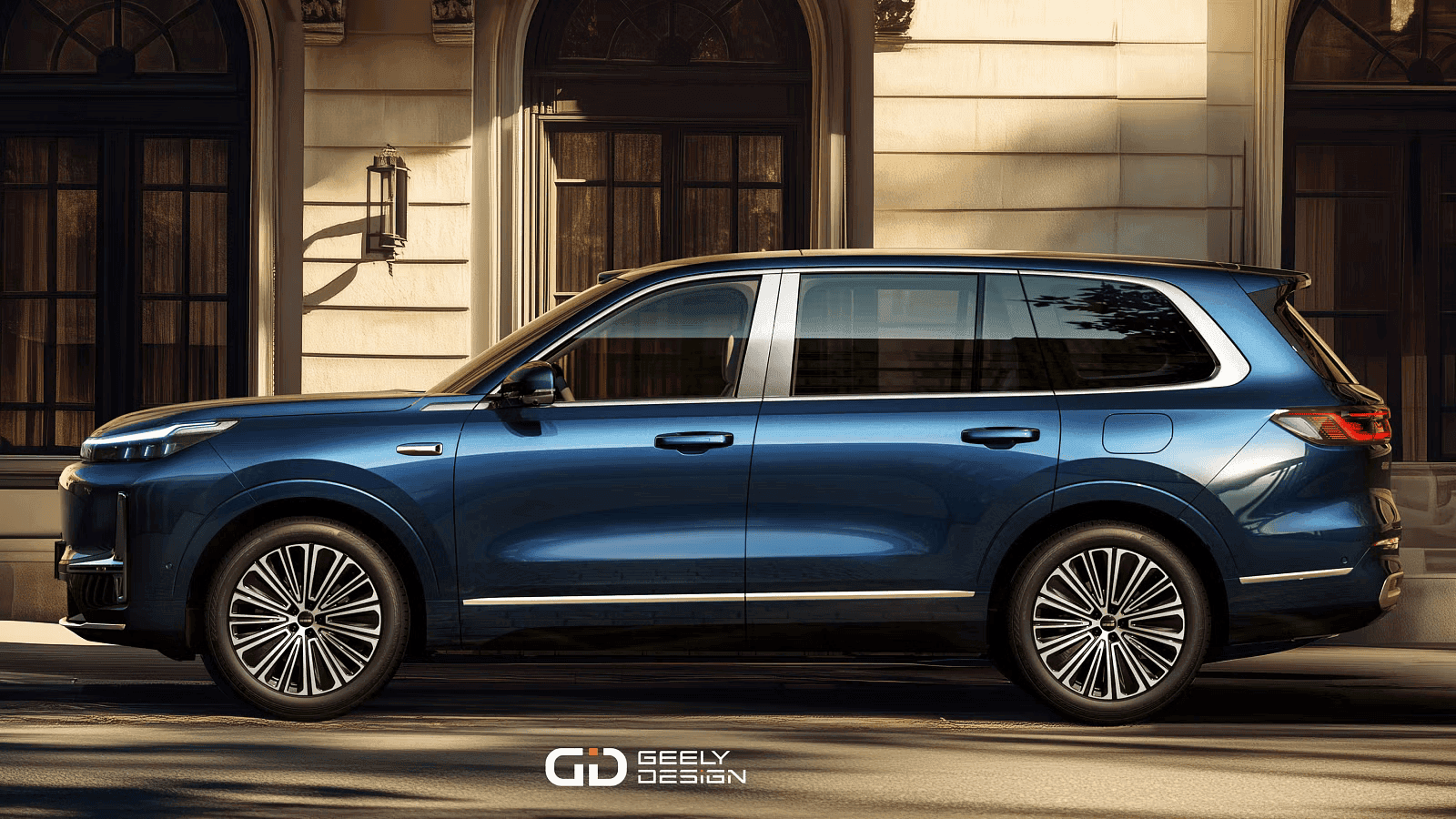
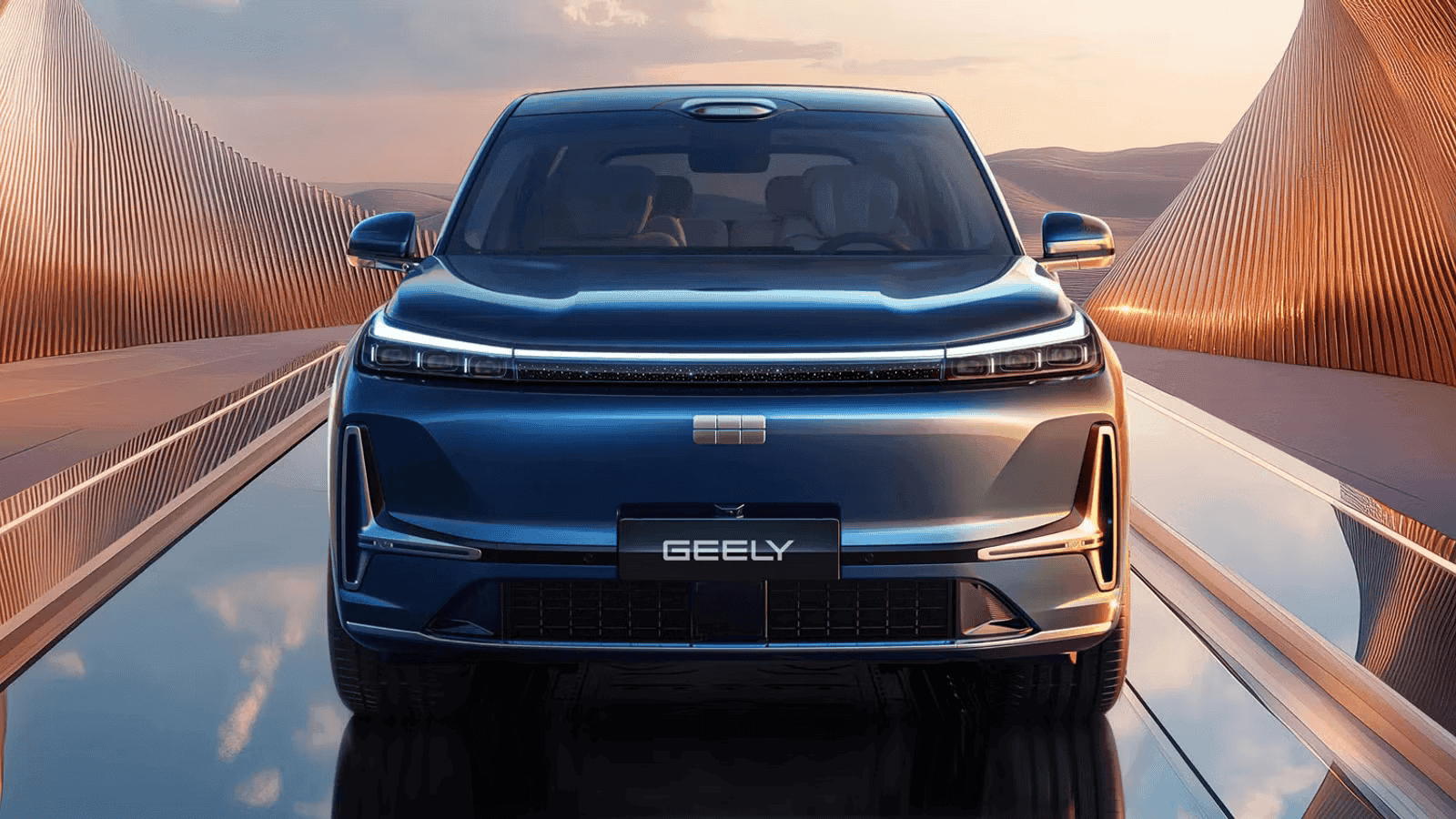
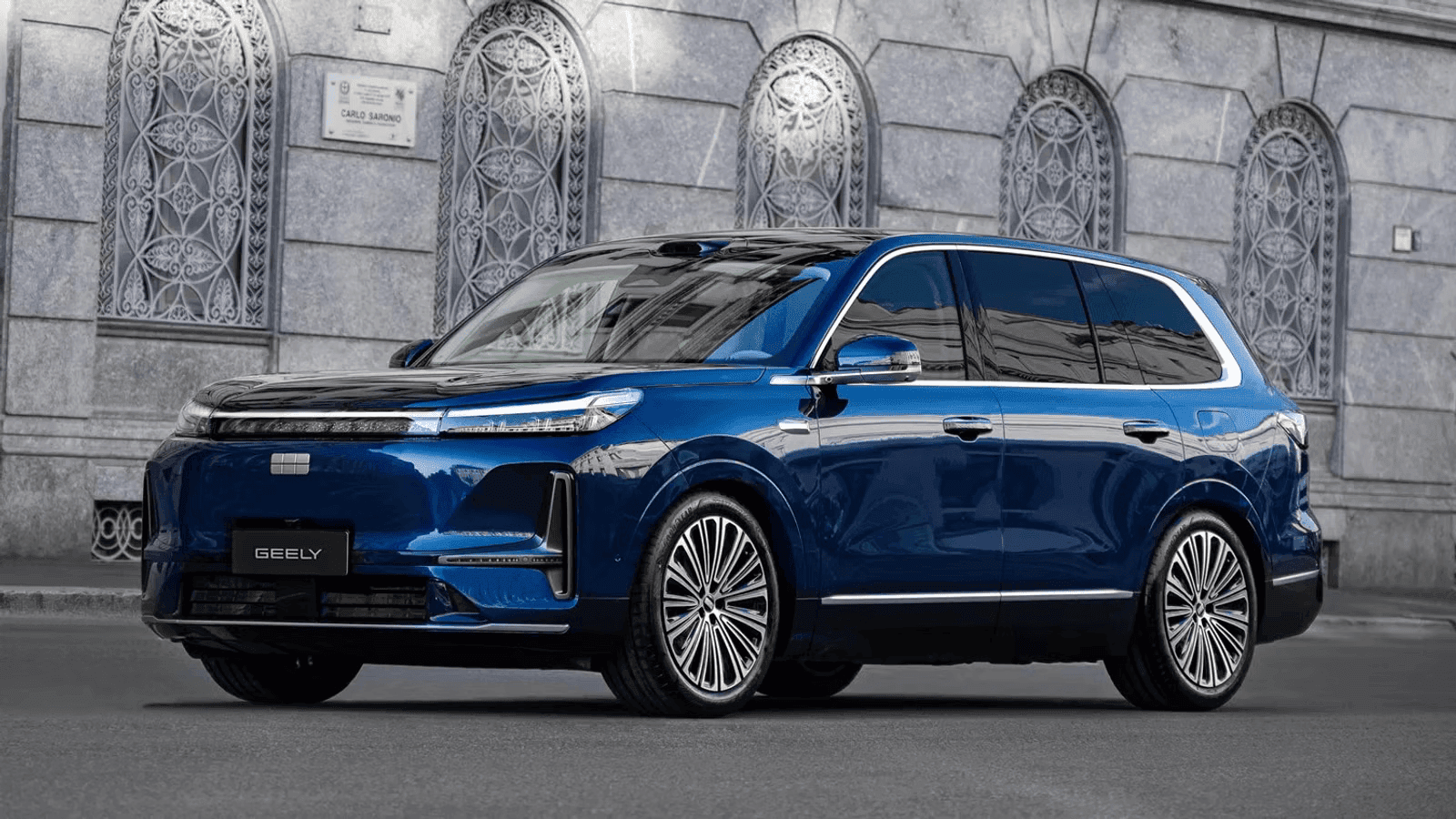
Geely has signalled plans to bring a large seven-seat plug-in hybrid SUV to Australia, with the brand's managing director indicating a model similar to the Geely M9 is in the pipeline for a local arrival around 2027 – though the specific model has not yet been formally confirmed.
The M9, already on sale in China, has been used as a reference point for Geely's plans in this segment – a large, three-row electrified SUV targeting buyers who want practicality combined with long-range hybrid efficiency. However, Geely has since clarified that the MD's comments referred to a model in this category, not a confirmed commitment to the M9 specifically.
▶️MORE: Every Plug-in Hybrid (PHEV) in Australia (2026 Guide)
A new seven-seat contender for Australian families – based on the M9
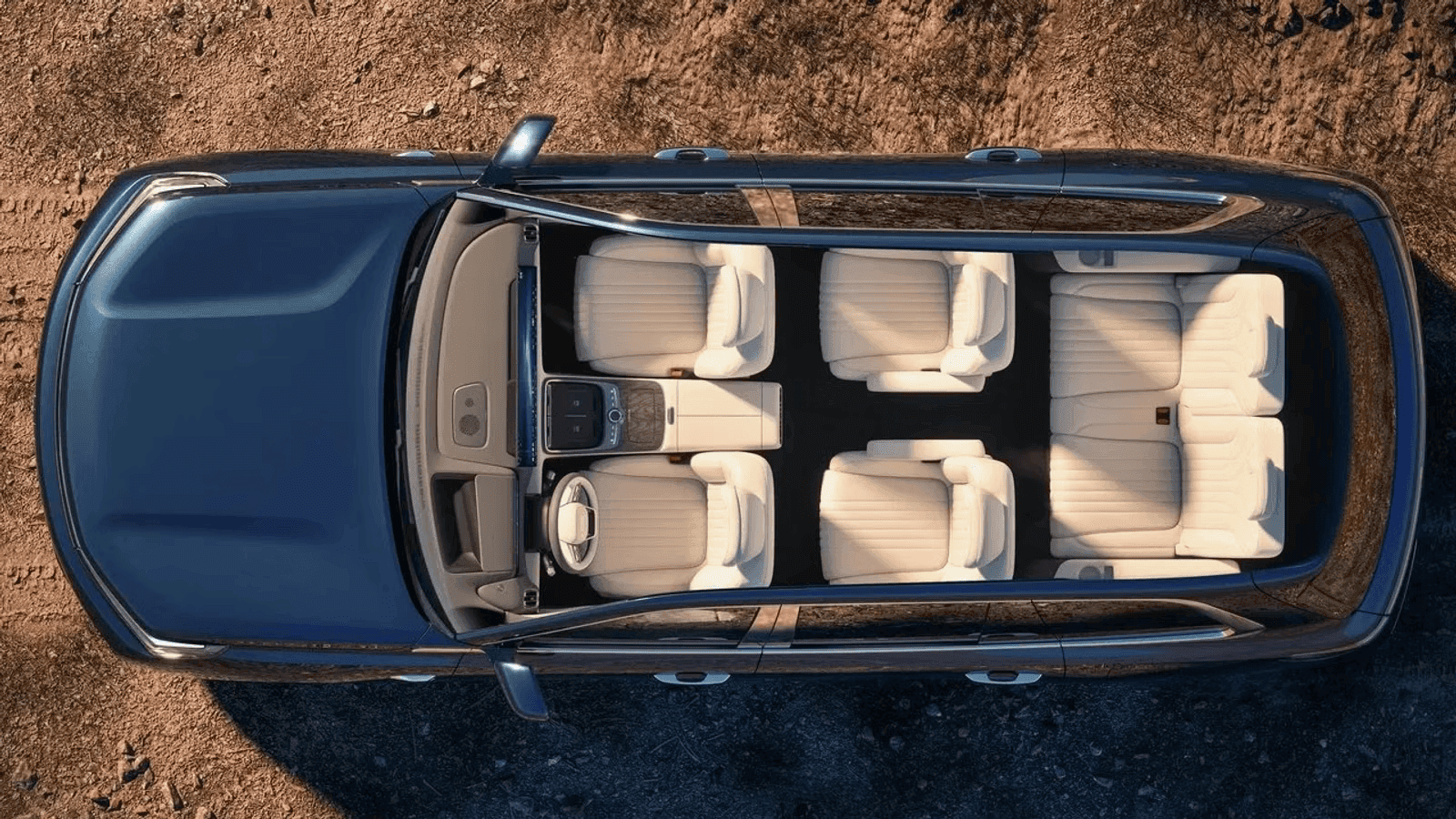
While the M9 is currently offered as a six-seater overseas with second-row captain's chairs, Geely has indicated the Australian variant would adopt a more conventional seven-seat layout, replacing the middle-row chairs with a three-seat bench – better aligned with local buyer preferences.
Such a configuration would position the model directly against popular large SUVs such as the Toyota Kluger, Hyundai Santa Fe and Hyundai Palisade.
Geely Australia managing director and vice president Alex Gu hinted at the model category during a media briefing.
“Yes. I think this model, we’ll bring it next year. It’s already under process,” he said.
The planned SUV will sit within a broader rollout strategy, with Gu outlining plans to expand beyond the brand's existing medium SUV offerings and into the large family SUV segment.
“SUV-C… we already have,” he said. “SUV D, we are bringing two. Seven seats, and in the box style. Like Denza B5, or even like Range Rover.”

Powertrain, range and what’s under the skin
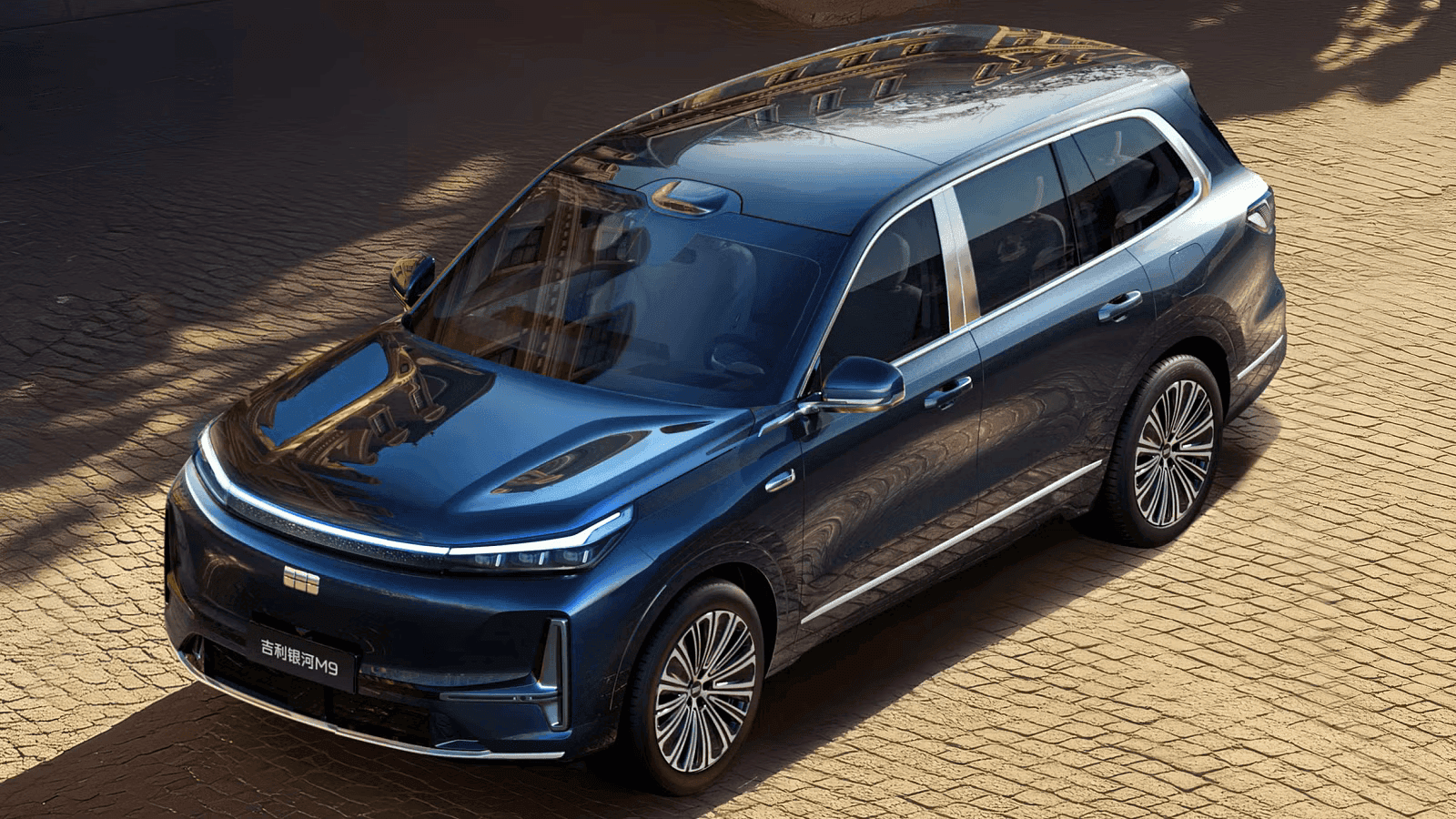
Internationally, the M9 is positioned as a large, tech-focused plug-in hybrid, measuring around 5.2 metres in length, making it larger than many mainstream rivals in Australia.
It currently features a plug-in hybrid system built around a 1.5-litre turbocharged petrol engine paired with a substantial 41.5kWh battery pack. Depending on the variant, the SUV can be configured with either a single electric motor or a more powerful tri-motor setup.
Key performance and range figures (based on Chinese CLTC testing) include:
Electric-only range between 210km and 230km
Combined hybrid driving range between 1300km and 1505km
While these figures will likely be lower under WLTP testing, they still point to one of the longest-range electrified SUVs expected in the Australian market.
Geely is also considering multiple electrified powertrain options for local models, including traditional hybrids and future iterations of its new ‘i-HEV’ closed-loop hybrid system.
“We know the Australian market is an emissions-sensitive market,” Gu said, referencing tightening regulations such as the New Vehicle Efficiency Standard (NVES), which will penalise high-emission vehicle imports.
▶️MORE: Why Plug-In-Hybrids Are Surging In Australia?
How it stacks up against the BYD Sealion 8
The Geely M9 is larger and has more electric and total range than the BYD Sealion 8.
| Category | Geely M9 | BYD Sealion 8 |
| Vehicle type | Large plug-in hybrid SUV | Large plug-in hybrid SUV |
| Seating layout | 7 seats (AU spec) | 7 seats |
| Length | ~5200 mm | 5040 mm |
| Powertrain | 1.5L turbo PHEV | 1.5L turbo PHEV (DM system) |
| Battery | 41.5 kWh | 19 kWh (FWD) / 35.6 kWh (AWD) |
| Electric range | 210–230 km (CLTC) | 103–152 km (NEDC) |
| Combined range | 1300–1505 km (CLTC) | Not officially stated |
| Drive options | Single or tri-motor setups | FWD and AWD |
| Performance | Multi-motor high-output variants | Up to 0–100 km/h in 4.9 sec (AWD) |
| Platform focus | Premium, long-range touring | Value-focused family SUV |
| Pricing (Australia) | Not yet announced | $56,990–$70,990 (before on-roads) |
| Market positioning | Premium large SUV | Affordable large family SUV |
| Key advantage | Longer EV + total range | Lower price, proven local rollout |
| Launch timing (AU) | Expected 2027 | Launching early 2026 |

What this means for Australia’s EV and hybrid market
Geely’s plans to bring a large PHEV SUV to Australia highlight how quickly the large SUV segment is evolving, particularly as plug-in hybrids gain traction as a transitional technology.
With stricter emissions standards on the horizon and infrastructure still developing in parts of the country, PHEVs offer a practical middle ground for many buyers who want electric driving capability without full reliance on charging networks.
The planned model also signals Geely’s intent to compete across multiple segments, not just entry-level EVs but also larger, more premium family vehicles.
If priced competitively, it could:
Challenge established hybrid SUVs from Japanese and Korean brands
Increase pressure on rivals to offer longer electric-only range
Accelerate adoption of electrified seven-seat SUVs in Australia
Combined with Geely’s broader rollout of electrified models, including SUVs, sedans and future utes, a large PHEV SUV could play a key role in reshaping expectations around what large family vehicles can deliver in the electrified era.
Add zecar as a preferred source on Google Search 🔍
